Russia cracks down on AI bears as real attacks spread fear: What to know
Amid a surge in genuine wildlife encounters in Russia, a wave of hyper-realistic AI-generated bear hoaxes is sparking public panic and drawing government action
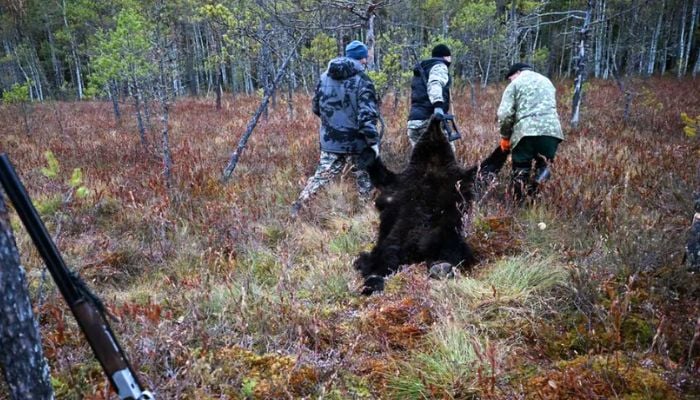
Russian authorities have fined several people for spreading fake bear images generated by artificial intelligence, as a rise in real-life attacks has heightened public concern over wildlife encounters.
In the Far Eastern settlement of Magdagachi, Amur region, a woman used ChatGPT to create an image of a large brown bear apparently walking along a local street and sent it to a friend in September.
The picture spread through messaging apps, prompting alarmed residents to contact police and local officials to dispatch wildlife rangers to search for the animal.
The woman later contacted police and admitted creating the image. A court fined her 15,000 roubles ($178), according to the Amur courts' press service.
In a separate case, a woman in the eastern Transbaikal region was fined 30,000 roubles for posting a fabricated image of a bear in a village, Russian legal news agency RAPSI reported.
The hoaxes come as authorities face growing concerns over genuine bear attacks.
Experts attribute the increased risk of encounters to expanding bear populations and poor harvests of berries and pine nuts, which can drive the animals closer to human settlements.
At least 26 people have been killed in bear attacks since spring, when bears emerge from hibernation, news agency RIA Novosti reported on Monday.
The government said last month it was preparing urgent measures to control the brown bear population, which has more than doubled over the past three decades to 308,000. Shorter, milder winters are among the factors cited for the increase.
According to figures compiled by state news agency TASS and published on October 10, more than 3,440 bears considered dangerous to humans have been killed since the start of the year.
The spread of fabricated images has added another challenge for authorities, potentially diverting emergency resources and complicating efforts to distinguish online pranks from genuine wildlife threats.


-
 UK media watchdog warns X over illegal hate content despite moderation speed improvements
 -
 OpenAI vs. Apple: Former employee accused of taking unreleased device files
 -
 Google DeepMind, Google Cloud grant European researchers access to frontier AI models and $3M in compute
 -
 Apple and OpenAI head to court in trade secrets dispute: Key details to know
 -
 Will AI beat cancer? Palantir CTO shares researchers’ surprising bet
 -
 Google DeepMind chief warns AI hacks are just the beginning
 -
 How Google Gemini 4 Argon transforms enterprise AI
 -
 Your AI shopping assistant may be quoting prices stores never posted