EU pushes UK to hike Chinese EV tariffs to avoid backdoor trade risks
Brussels tells London that closing tariff gaps on Chinese vehicles and aligning trade policy is the price to avoid punitive "Made in Europe" export barriers

The European Union has reportedly told London that Britain must raise its tariffs on Chinese electric vehicles and more closely align its trade policies if it wants to avoid "Made in Europe" export barriers.
Brussels has told British Prime Minister Andy Burnham that Britain needs to raise tariffs on Chinese cars and align more closely align with EU trade policy to avoid “made in Europe” barriers on key exports, the Financial Times said on Friday.
In response to lobbying for equal treatment for British products, the bloc told London its best solution would be to join the EU’s customs union
Brussels is concerned that if the UK maintains lower trade barriers on Chinese cars than the EU (which levies duties of up to 45% on Chinese EVs), Britain could become a "backdoor" entry point for cheap vehicles to flood the single market.
The "Made in Europe" Striction:
Prime Minister's push to ensure British goods receive equal treatment under the bloc's incoming industrial protection framework was met with a stark condition to align trade policy or risk hitting vital UK supply chains and exports.
According to Financial Times sources, EU officials suggested that the most comprehensive fix to avoid these trade friction points would be for Britain to rejoin the EU customs union.


-
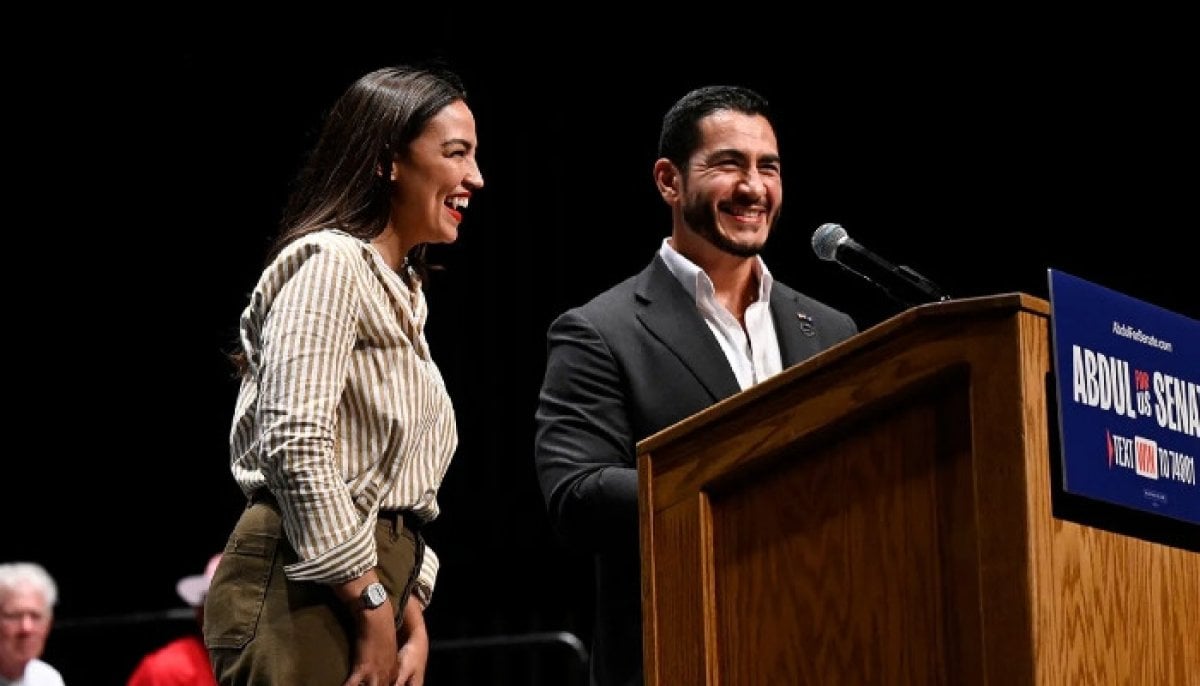 AOC calls for political unity while campaigning for Abdul El-Sayed in Michigan
 -
 Ukraine resumes Russian oil strikes amid Starlink restrictions and US intelligence concerns
 -
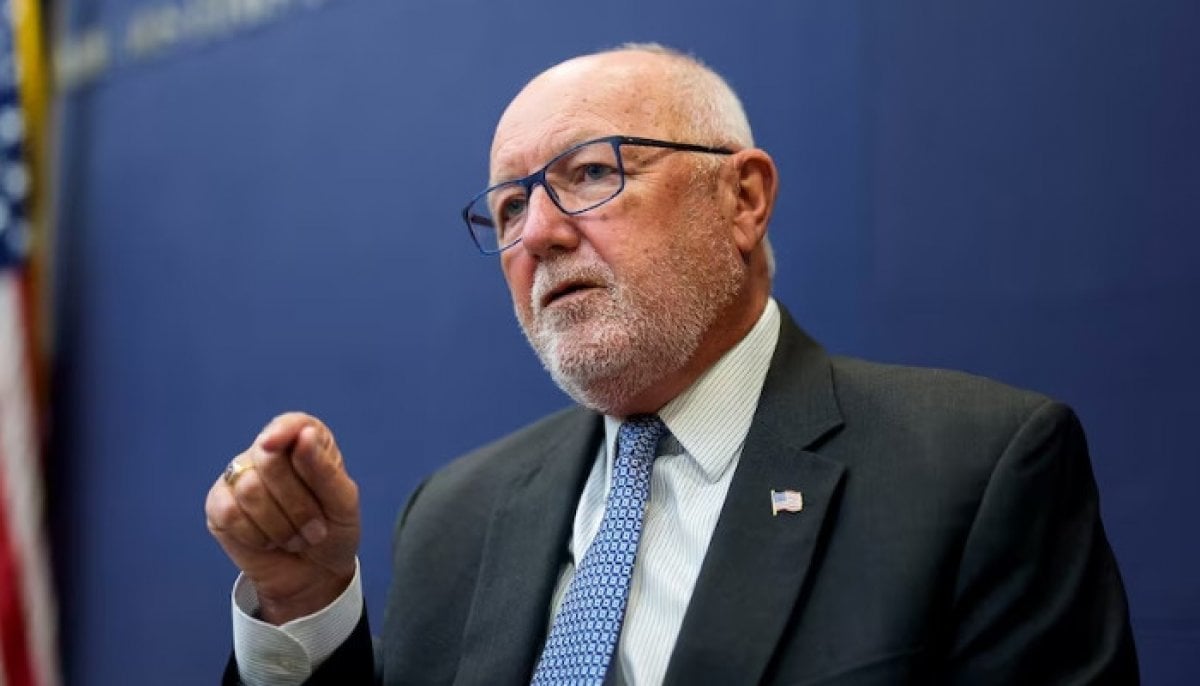 Trump's ambassador tells Canadian politicians to keep their ‘nose out’ of US elections
 -
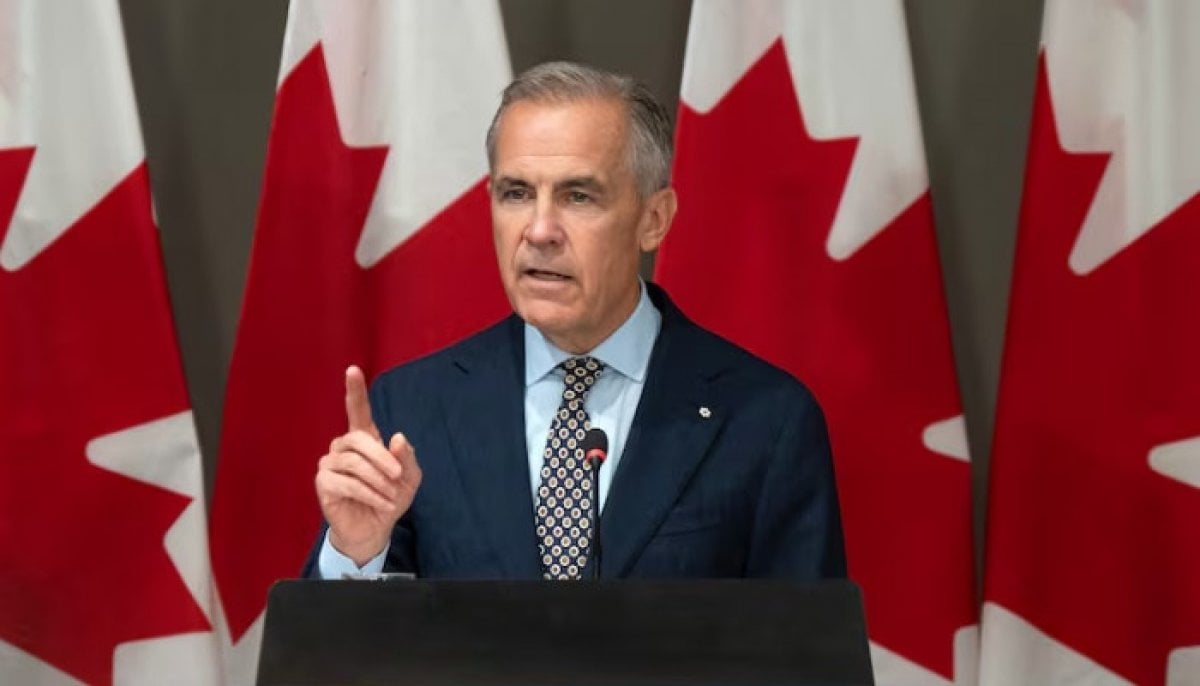 Carney says Canadian security agencies monitoring foreign interference ahead of Alberta vote
 -
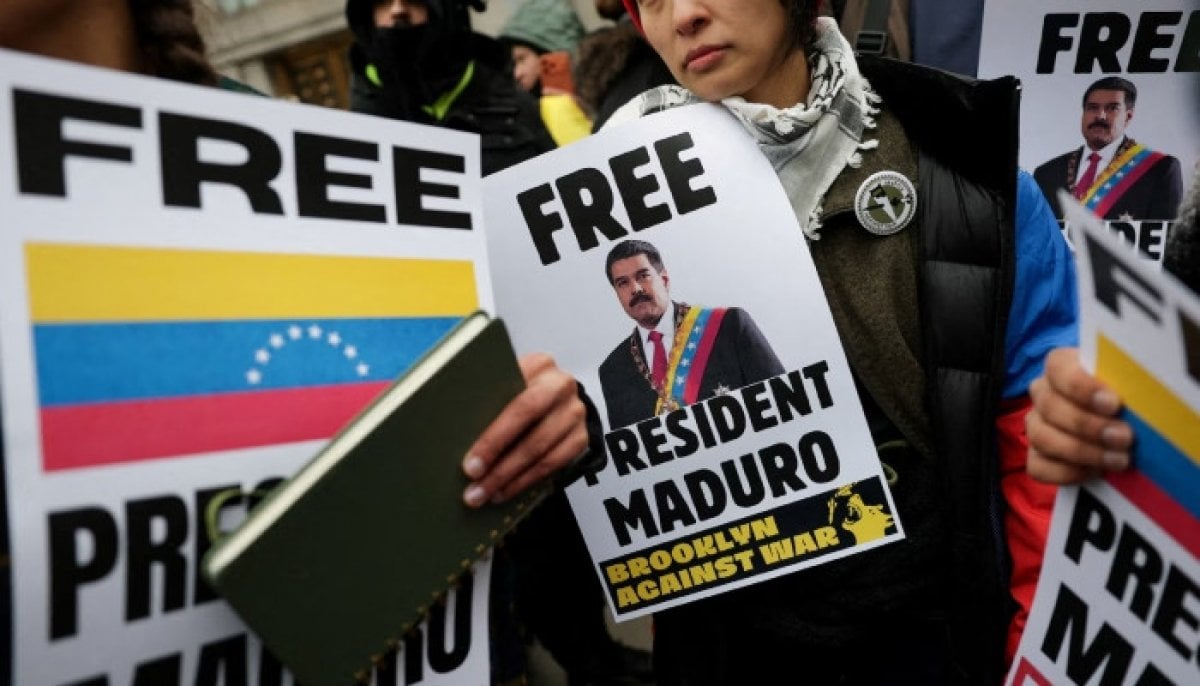 Nicolás Maduro and wife plead not guilty to new torture allegations in US court
 -
 England issues severe drought declaration following driest months in a century
 -
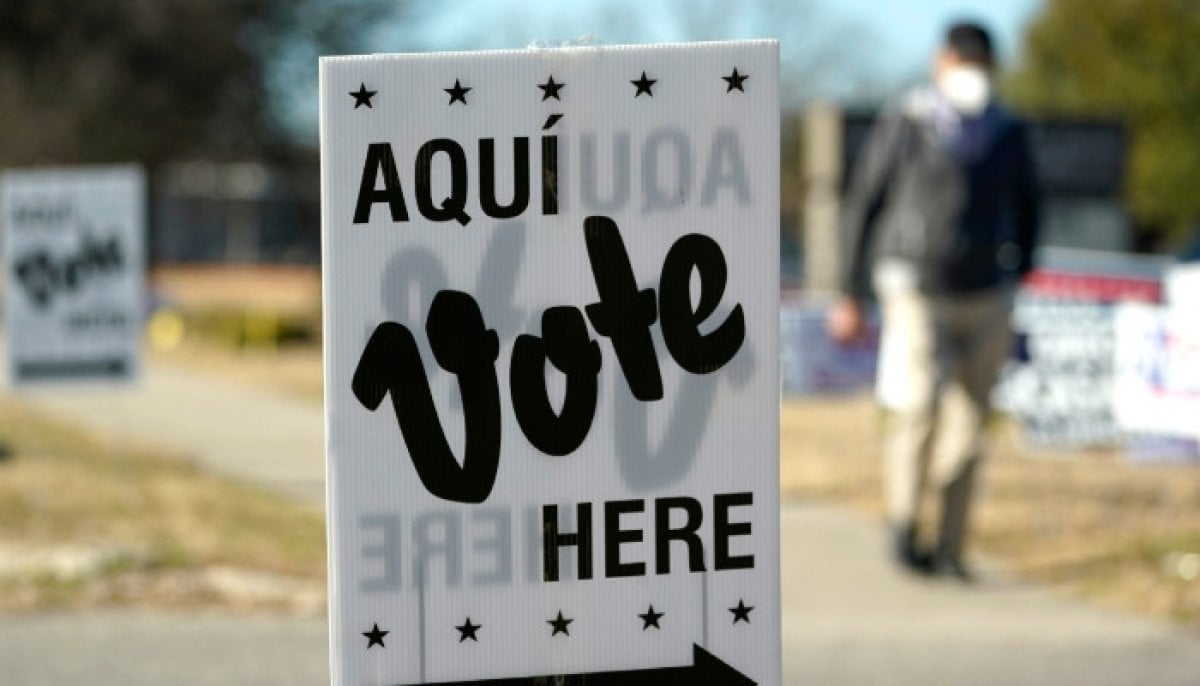 Texas faces voting rights lawsuit after 600,000 registrations caught in IT failure
 -
 Illinois teen accused of plotting mass shooting at Hindu temple after co-workers alert police
-
 Trump approval rating hits new low as Democrats lead Republicans by nine points
 -
Trump overrules Pete Hegseth's plan to livestream Fort Hood gunman's execution
-
William Chapman, the man killed by tiger at Yorkshire zoo had schizophrenia, inquest told
-
Trump says execution of Nidal Hasan will not be livestreamed