Net zero may not end climate inequality for poorer nations, research warns
Researchers from the University of Melbourne found the inequality could persist indefinitely under a net-zero pathway
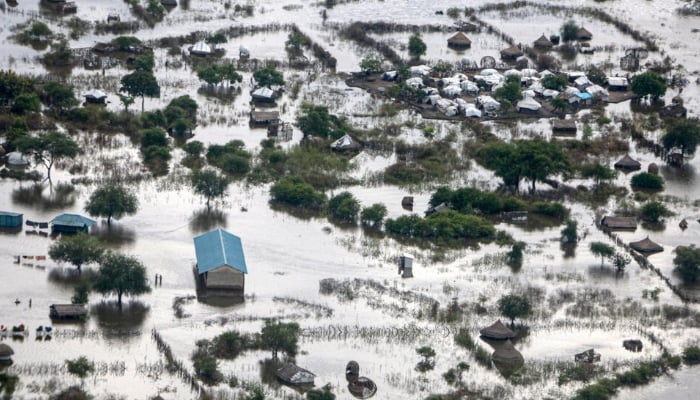
The world’s poorest countries could remain among the hardest hit by global warming even after greenhouse gas emissions reach net zero, new research has found.
The study, published in Environmental Research Letters, found temperatures have risen more sharply relative to historical ranges in tropical regions, where many lower-income countries are located, than in wealthier parts of Europe and North America.
Researchers from the University of Melbourne found the inequality could persist indefinitely under a net-zero pathway and may take decades to reverse even if carbon dioxide is later removed from the atmosphere.
“If we follow a path that is close to net zero, then the inequality we see in present day warming persists indefinitely,” lead researcher Dr Andrew King told The Guardian.
“The wealthier countries that have caused more of the problem are not those that are the most exposed, even beyond net zero. The regions that have not caused the warming are those that experience the most warming.”
King said reaching net zero sooner would reduce long-term warming and limit inequality.
The findings came as the UN refugee agency released a separate report warning that climate change is increasing risks for stateless people, particularly in Pacific island nations threatened by rising sea levels.


-
 Vatican issues Pope Leo health update after surgery amid lung cancer reports
 -
 China, EU pledge to stabilize bilateral trade ties and balance economic relations
 -
 Germany’s Nuremberg airport briefly shut down after mid-air communication malfunction
 -
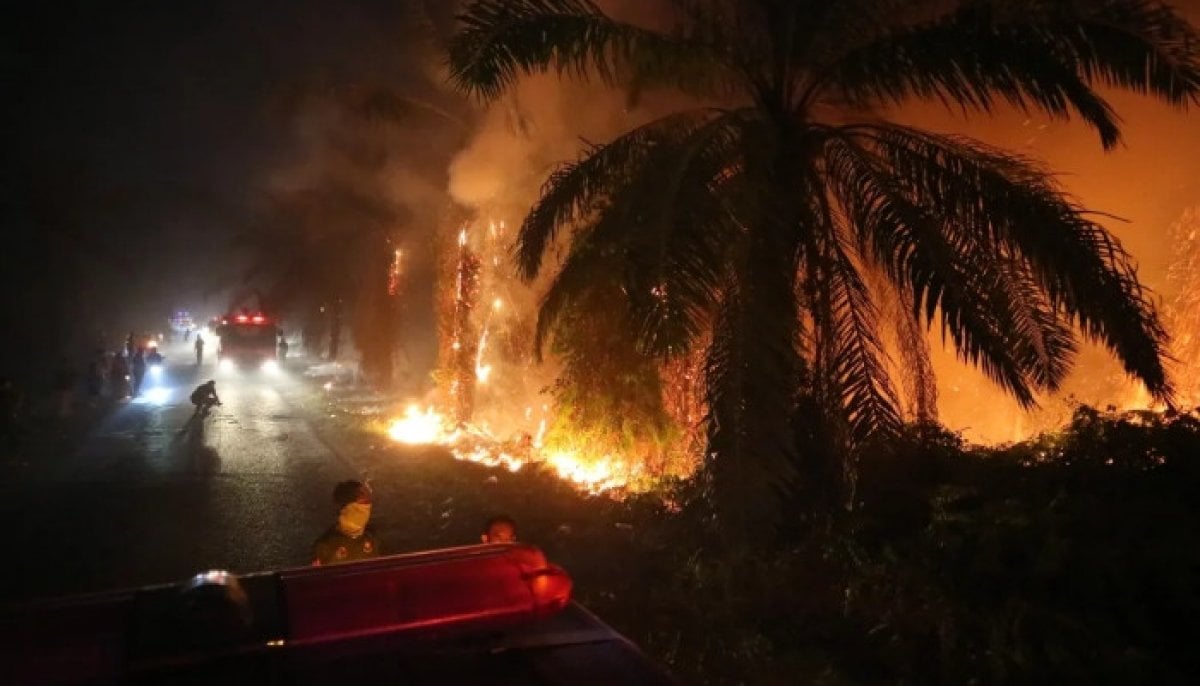 El Niño fuels Indonesia wildfires, destroying nearly 300 homes in Sumatra
 -
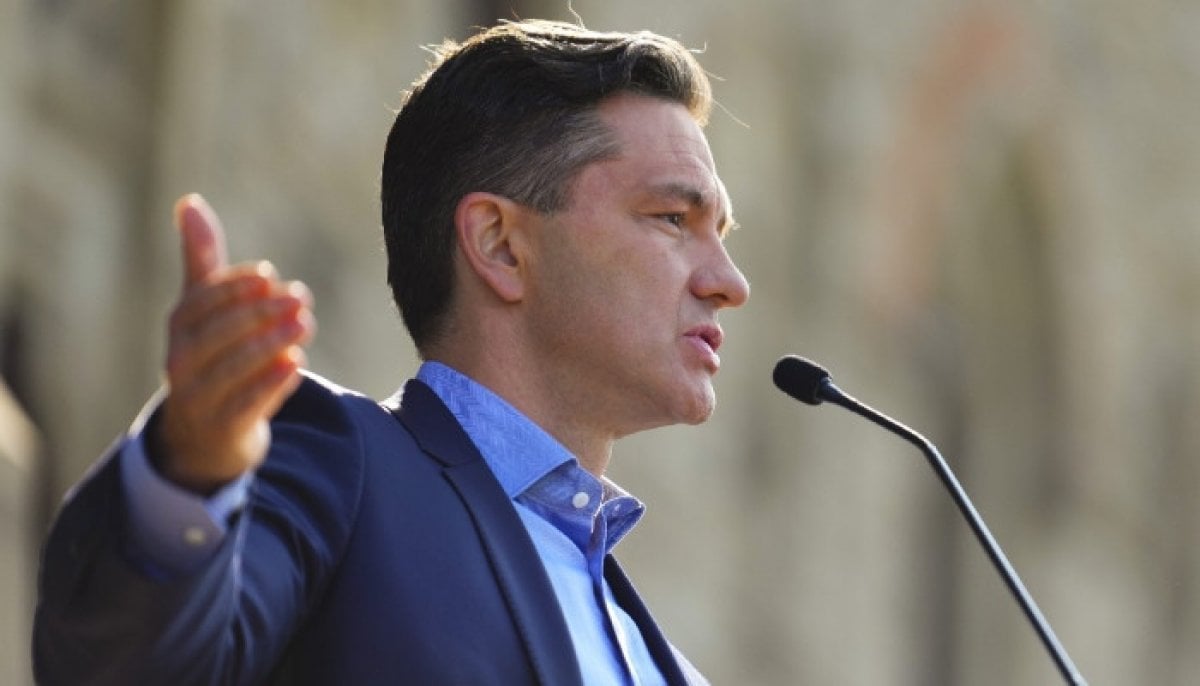 Poilievre heads to Michigan to demand end to US tariffs on Canadian vehicles
 -
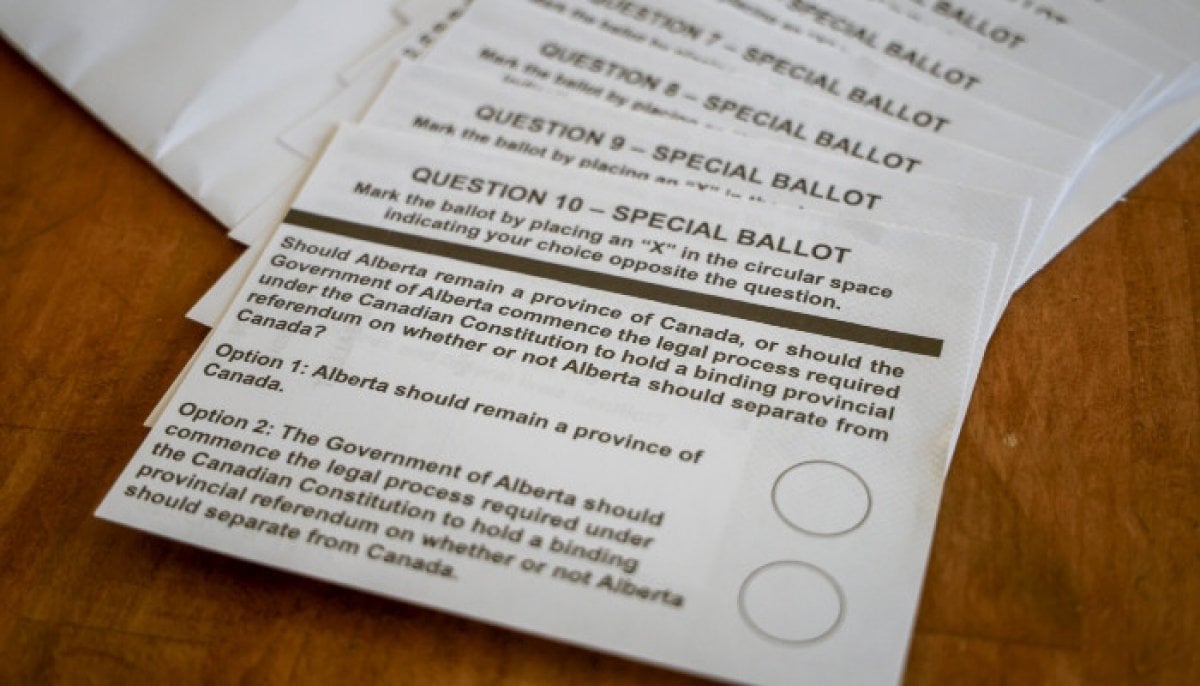 Will Alberta leave Canada? Advance voting opens in historic separation referendum
 -
 False hijack alert sends German fighter jets scrambling
 -
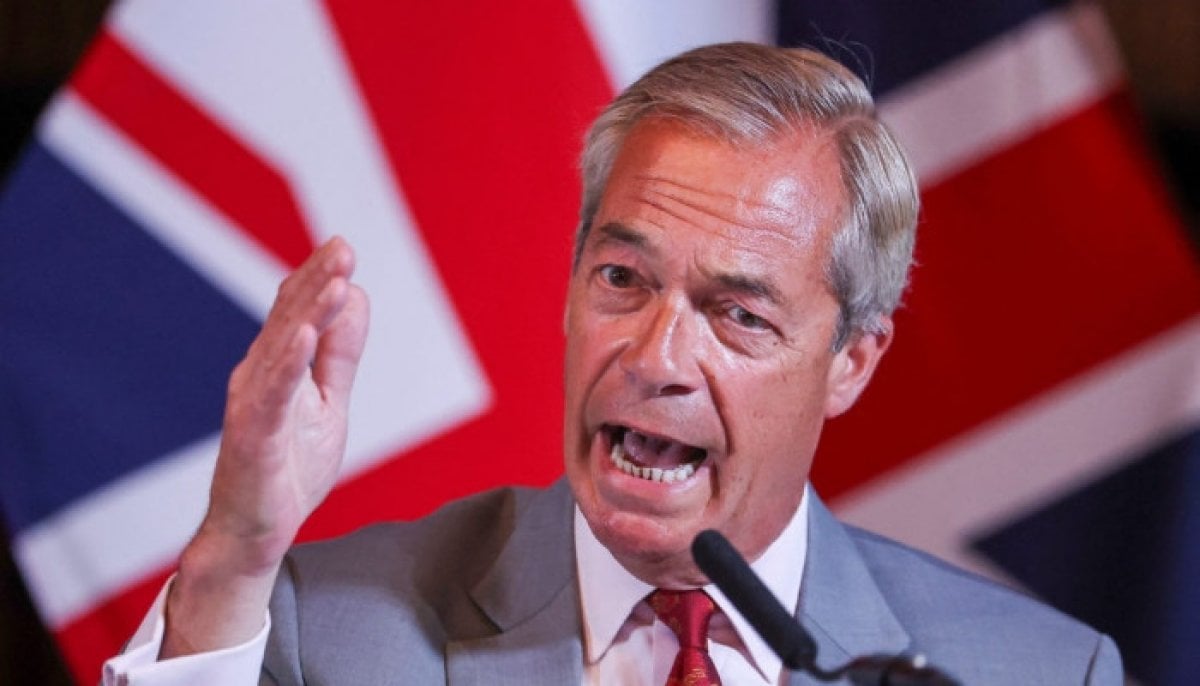 Nigel Farage defends ‘lethal force’ policy for English Channel migrants amid backlash
-
 Supreme Court agrees to hear DOGE transparency lawsuit involving Elon Musk, Trump
 -
Greta Thunberg joins French students as nationwide protests enter third week
-
Kimberly Guilfoyle asked to resign as US ambassador to Greece, White House says
-
Ursula von der Leyen calls for stricter migration measures ahead of EU leaders' summit