BOJ rate hike to 31-years high: Economic outlook and broader impact
As the Bank of Japan raises its benchmark interest rate to one point two five percent, experts analyze the domestic and global economic fallout
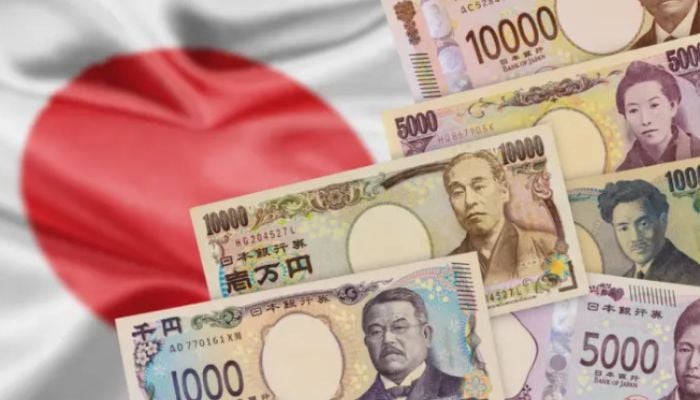
The Bank of Japan (BOJ) raised its benchmark short-term interest rate by 25 basis points to 1.25%, marking its highest level since 1995.
This bold step away from decades of ultra-loose monetary policy aims to combat persistent inflation risks and stabilize the Japanese yen.
Impact on Households and Generational Divide:
The decision carries wide-ranging structural, domestic, and international economic consequences as the rate hike introduces a distinct financial split across different demographics.
Younger Generations And Higher Borrowing Costs):
Younger households carrying larger debt loads will see increased expenses. Variable mortgage rates are projected to climb to roughly 1.45%, and fixed rates to 3.46%, increasing annual interest payments by roughly ¥22,000 to ¥23,000 for families in their twenties and thirties.
Asset-Rich Seniors and Higher Savings Income:
Older populations holding substantial cash and time deposits (excluding equities) benefit from higher yields. Average 10-year time deposit rates are expected to rise to 2.13%, boosting net annual income for individuals aged sixty and above.
Impact on Corporate Sector & Financial Markets:
Banking Sector: Commercial and major banks stand to benefit from improved loan yields and better returns on bond investments, though smaller regional institutions with weaker balance sheets could face elevated credit costs.
Import and Export:
While a strengthening normalized monetary stance can curb imported inflation, major Japanese multinational exporters (such as automakers and tech firms) face shifting currency pressures that can impact overseas competitiveness and repatriation values.
Macroeconomic & Global Implications amid Inflation:
Driven by the threat of inflation overshooting its target and a historically weak yen, the BOJ's acceleration of its policy normalization cycle signals that decades of aggressive monetary easing have officially drawn to a close.
Global Liquidity:
As Japan unwinds cheap-money policies that historically funded global carry trades, international capital flows and asset markets must adjust to structurally higher baseline funding costs out of Tokyo.
The Bank of Japan’s historic pivot signals a new era for global markets, weighing heavier borrowing costs against much-needed relief for savers. As Tokyo normalizes its monetary policy, households and investors alike must adapt to a shifting economic landscape.


-
 Trump holds millions in Meta stock: What to know
 -
 Amazon announces 1,000 corporate job cuts, primarily targeting retail division
 -
 Coupang files lawsuits to contest record $462 million South Korean data breach penalties
 -
 Google and Unity partner on new AI game creation platform
 -
 Sources reveal truth behind French brand Lacoste CEO getting fired ahead of Paris runway show
 -
 Canadian rents hit three-year September low after 24 months of declines
 -
 Google under fire in £1 billion UK case over app store charges
 -
 Anthropic CEO Dario Amodei pulled in $18 Million last Year, IPO filing shows