Apple says iPhone 18 Pro's camera beats Android security
Reference Image signs photos at the sensor level, unlike Android's C2PA standard
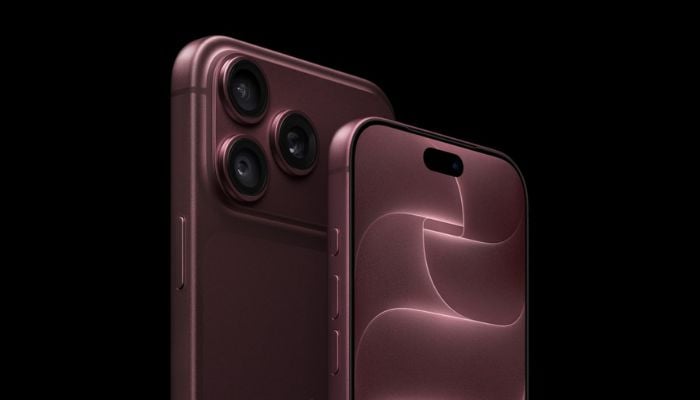
Google beat Apple to verified photography by an entire generation, but Apple is now arguing it was worth the wait. With the iPhone 18 Pro and Pro Max, Apple has launched a feature called Reference Image, and a new blog post makes the case that it leapfrogs the C2PA standard already running on Pixel phones.
The reference image is optional and is restricted to the iPhone 18 Pro's primary camera. Right after capturing the photo, the pixel data gets its digital signature without going under any sort of processing.
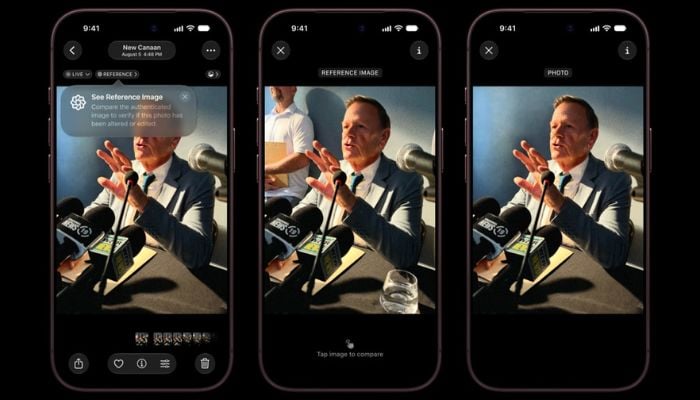
Then comes Apple's Private Cloud Compute, which is said by Apple to be unobservable even for Apple itself. Once both signatures get combined together, the resulting digital signature is claimed to be the only quantum-safe system of image verification.
The C2PA protocol used by Google in the Pixel 10 and 11 series signs the credentials to the photo after it is taken instead of signing them at the sensor level. Apple says the delay lets the photo be tampered with at any point during editing, as there's no way to know if it was manipulated before signing.
However, the criticism is not theoretical; last month, a security researcher showed how the C2PA credentials could be falsified, and Android Authority successfully stripped Google's AI watermarks from Pixel images.
Apple also frames Reference Image as more private than identity-linked systems. C2PA credentials can tie an image back to a specific device or person, a risk Apple says matters most for photographers working in dangerous or sensitive environments.
The reference image avoids that link entirely, ensuring no outside observer can match two photos to the same iPhone.
The feature only works on the iPhone 18 Pro's main sensor, leaving photos from the ultrawide and telephoto lenses without any verification at all.
Google's C2PA implementation on the Pixel 11, by comparison, signs images from every camera on the phone.


-
 Italy antitrust regulator opens investigation into AI music startup Suno
 -
 Smart glasses face bans over privacy concerns: Full list of countries
 -
 Mistral AI new model beats Chinese competitors in cybersecurity, claims CEO
 -
 UK regulator probes Meta over child safety risks in Instagram's 'Instants' feature
 -
 OpenAI admits ‘not good enough’ response to Australia government hacks
 -
 Meta, TikTok and X challenge UK watchdog over safety data: What to know
 -
 Norway proposes temporary ban on AI glasses in public spaces over privacy fears
 -
 OpenAI CEO Sam Altman argues global society must accept AI downsides to secure technological benefits