Norway proposes temporary ban on AI glasses in public spaces over privacy fears
Norway is moving to curb discreet wearable tech, proposing a temporary ban on AI-powered smart glasses in public spaces like parks, schools, and gyms amid mounting privacy concerns
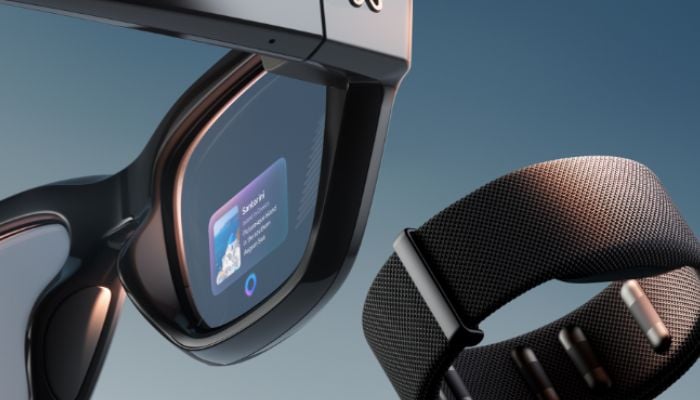
Norway’s government has announced plans to introduce a temporary ban on the use of AI-powered smart glasses in selected public spaces, driven by growing anxiety over privacy and unauthorized recording.
According to Digitalization and Public Governance Minister Torgeir Micaelsen, the proposed restrictions would target locations where citizens regularly congregate.
This includes parks, beaches, museums, shopping centers, public events, schools, and fitness facilities.
Officials emphasize that the core concern is the capability of wearable tech—such as devices with integrated cameras and audio recording features—to capture individuals without their consent or knowledge.
The government plans to submit the temporary legislative bill to parliament as soon as possible. Rather than a permanent blanket prohibition, the measure is designed to buy time for an appointed expert group.
This panel will study the broader implications of wearable tech and help shape comprehensive, long-term national regulations.
Similar localized caution is also being echoed in parts of Europe, signaling a broader regulatory reckoning with discreet AI hardware.
The government said that the Ban could apply to places where the public regularly gather, such as parks, beaches, museums, shopping centres and public events,
"I am worried that new, powerful technology is being introduced where people risk being photographed, filmed or audio-recorded without knowing it," Digitalization and Public Governance Minister Torgeir Micaelsen said
It could also apply to schools, playgrounds and youth clubs and to privacy-sensitive places such as doctors' offices, swimming pools and gyms with changing rooms
The government said it was not eyeing a total ban and that private use, and use where others are not at risk of being filmed without consent, would still be allowed
It said it would examine which technology the ban would cover, including whether it would apply to glasses with camera and audio recording, glasses with camera and AI functions or also other body-worn technology with camera, audio recording and/or AI
The minority government said it would present a bill to parliament as soon as possible, and would also set up an expert group to advise on permanent national regulation of body-worn technology


-
 OpenAI CEO Sam Altman argues global society must accept AI downsides to secure technological benefits
 -
 Google to downgrading Gemini for free, AI Plus users
 -
 WhatsApp login block: Update your OS or lose access
 -
 Qualcomm signs deal to license Huawei patents for 5G, AI
 -
 Trump's Super Intelligence Force: What to know
 -
 OpenAI Sam Altman warns of new safety risk: ‘AI becoming religious force’
 -
 Google’s £1bn battle over ‘hidden’ Play Store charges goes to trial in UK
 -
 Could AI be conscious? Why Anthropic is turning to the Vatican