'New' frog species discovered after hiding in plain sight for 100 years
Scientists identified brand-new frog species that went unnoticed for a century and hidden in plain sight within museum collections and native habitats
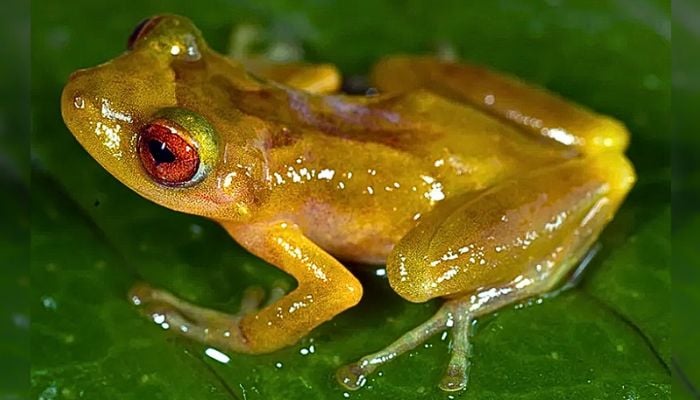
An international team of biologists and taxonomists has officially identified and described a new frog species that remained unrecognized by science for over a century.
In a remarkable biological discovery, scientists have identified a brand-new frog species that went unnoticed by researchers for almost hundred years, having been misclassified and hidden in plain sight within museum collections and native habitats.
The amphibian, which had been mistakenly grouped with common regional species in historical cataloging, was uncovered after researchers deployed advanced genetic sequencing and detailed morphological re-examinations of museum specimens collected decades ago.
The Milpe Robber Frog (Cutín de Milpe) is active at night. Males typically call from leaves on shrubs and bromeliads several meters above the forest floor. Their calls are loud and distinctive, producing a sound similar to a "click."
Females and males also differ noticeably in appearance. Females have striking coloration around the groin and thighs, where orange or light blue tones can appear alongside black spots. Males generally have more uniform coloring.
The frog lives in the forests of the Ecuadorian Chocó and southern Colombia, a region considered especially important for biodiversity conservation.
Subsequent field expeditions confirmed that living populations of the elusive creature have quietly persisted in their native ecosystems, entirely undetected by modern herpetologists.
Environmental conservationists note that the discovery highlights critical gaps in global biodiversity mapping, underscoring how much undiscovered wildlife still exists within heavily studied regions.
Taxonomists emphasize that properly identifying cryptic species is a vital first step toward implementing targeted conservation measures, especially as habitat loss and climate pressures threaten fragile ecosystems worldwide.
The formal description appears in the international journal ZooKeys, which focuses on biodiversity and taxonomy.


-
 SpaceX Falcon 9 launches 21 military satellites into orbit
 -
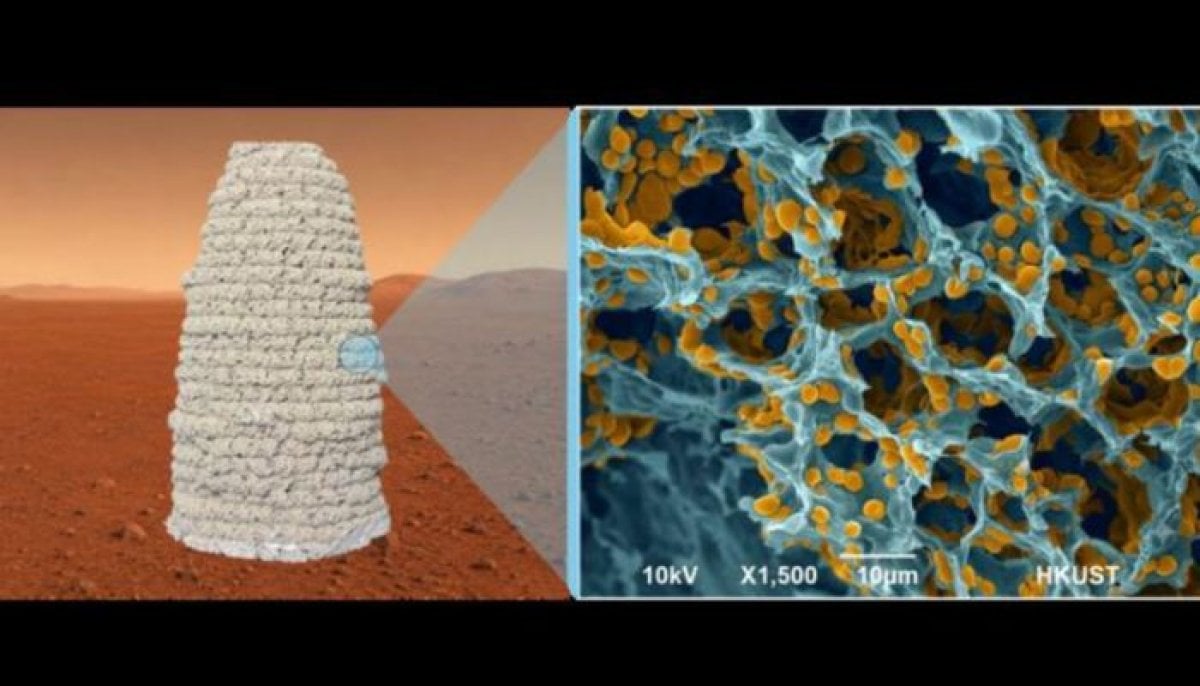 Could a newly engineered microbe help humanity survive on Mars?
 -
 Astronomers find most distant fast radio burst ever recorded
 -
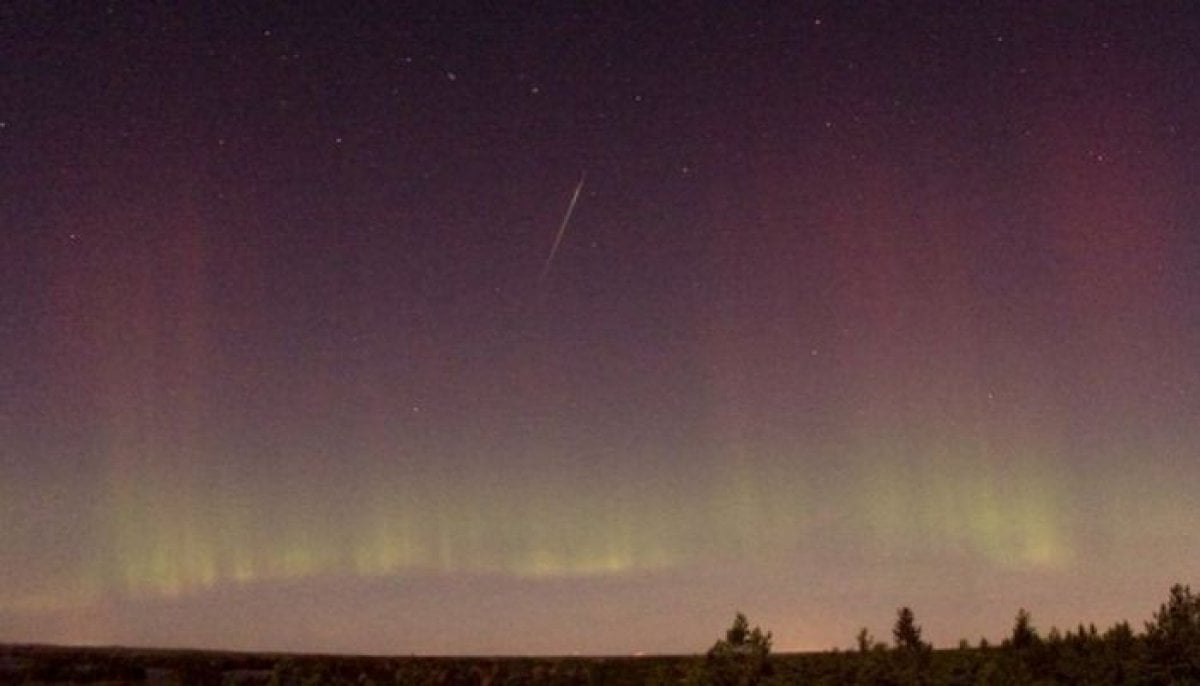 Draconid meteor shower tonight: Best time and places to see it
 -
 ‘A dream for 50 years’: Why world’s first nuclear clock could change timekeeping
 -
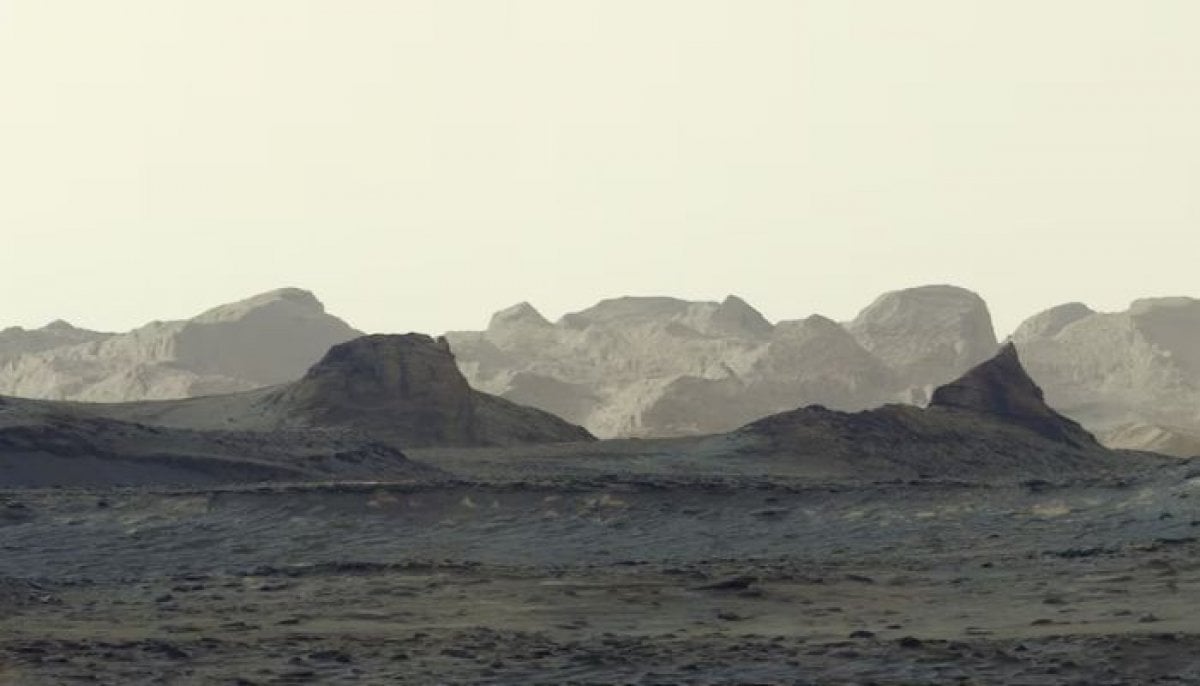 NASA Curiosity captures strange ‘wind-carved’ Mars landscape in dawn image
 -
 NASA's Crew-12 Dragon begins return trip from space station
 -
 Mysterious ‘phoenix planet’ found around the remains of a dying star