NASA launches Roman Space Telescope to reveal universe’s biggest mysteries
NASA’s new next-generation Roman space telescope aims to travel about one million miles from Earth
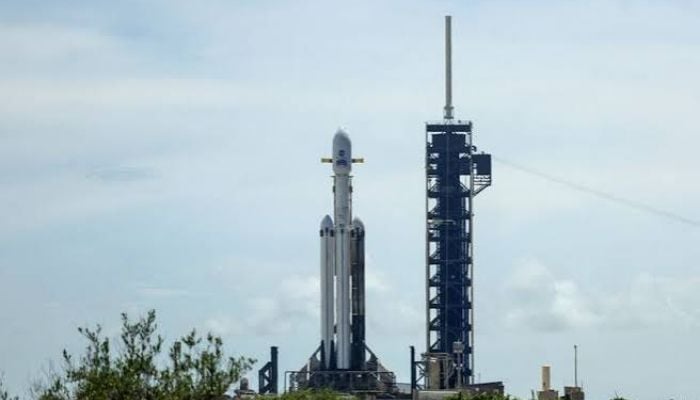
NASA’s new orbital observatory was launched into space from Florida on Sunday-a historic mission to investigate some of the biggest mysteries in astrophysics and cosmology.
The Nancy Grace Roman Space Telescope is primarily a $4 billion project carried successfully from NASA’s Kennedy Space Center embarked by SpaceX.
The telescope is focused on discovering unknown cosmic enigmas such as energy and dark matter while also probing gravity at cosmological scales and searching for exoplanets-the name given to planets across our solar system.
How will the Roman works
Roman will travel through space toward an orbital insertion vector called Lagrange Point 2 situated about a million miles from Earth. The mission is mainly planned for five years though the US space agency said the telescope has technical accuracy regarding spacecraft maneuvering.
Roman will complement existing space telescopes such as the James Webb Space Telescope launched in 2021 and the Hubble Space Telescope launched in 1990.
In this connection, the chief of NASA’s Science Mission Directorate said on Saturday, “It will be as if Hubble and James Webb kind of peered through a keyhole in the universe.”
Webb has revolutionized our knowledge of the cosmos’s genesis, finding among other things that early galaxies formed much sooner than previously known; moreover, Webb is capable of viewing across vast distances because time light takes to travel.
Roman is able to capture a wide-angle view, and NASA likes Roman to a camera’s wide-angle lens and Webb to a zoom lens.


-
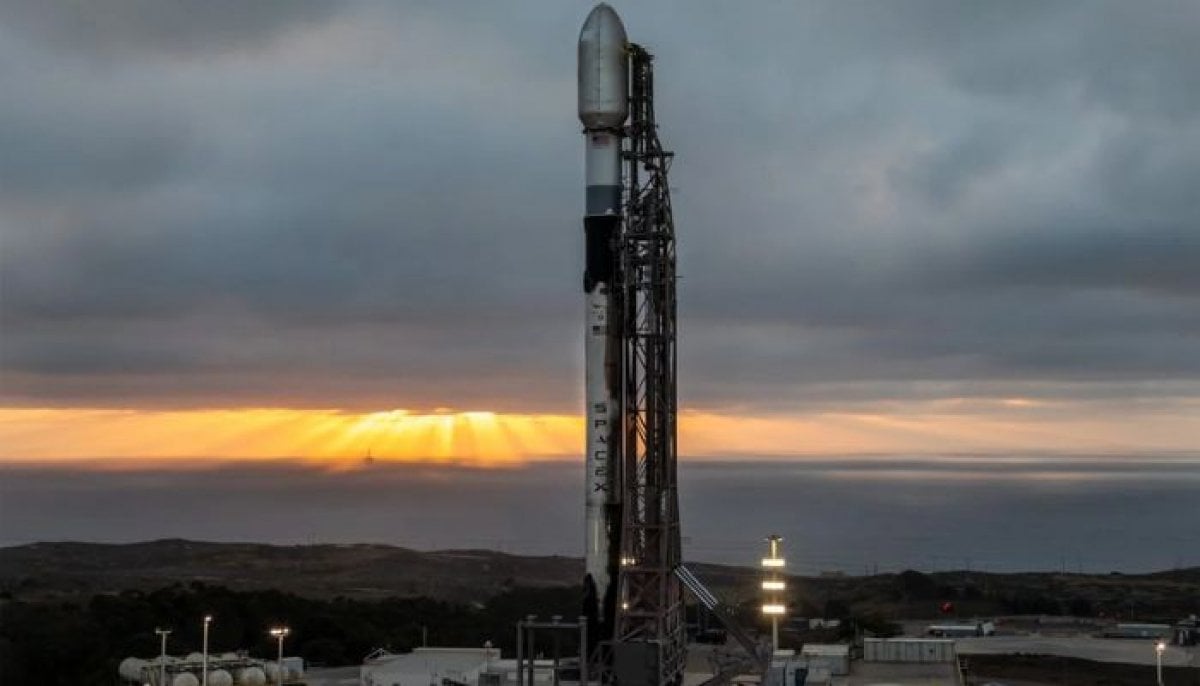 SpaceX Falcon 9 launches 21 military satellites into orbit
 -
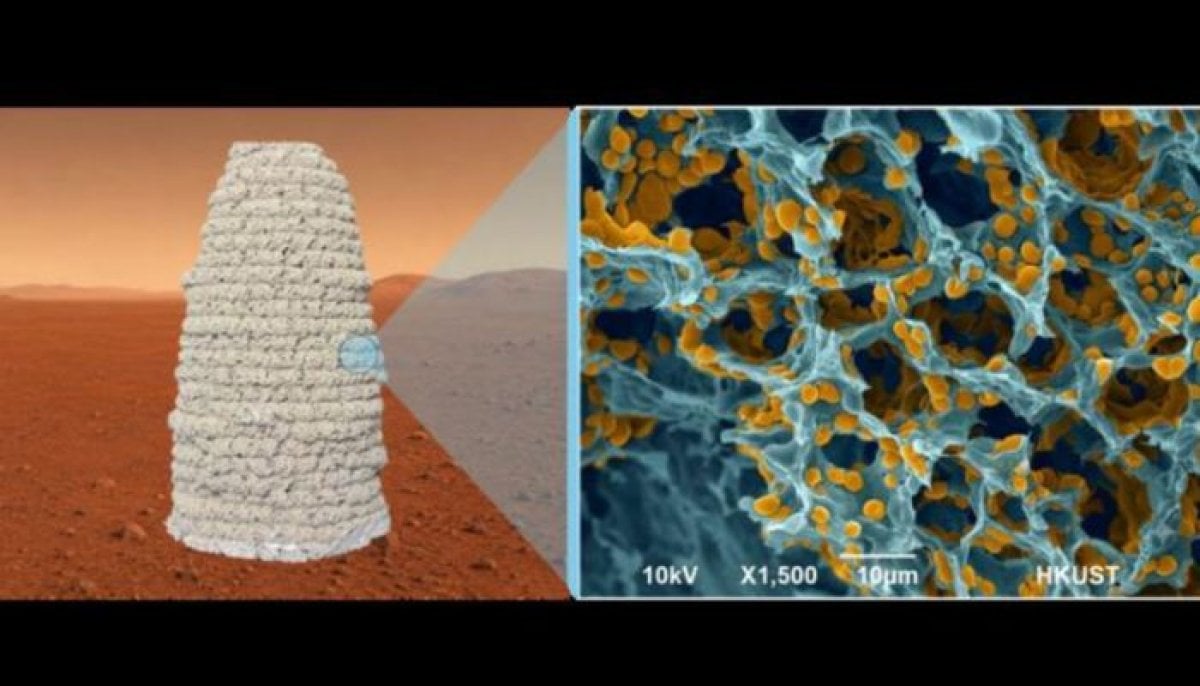 Could a newly engineered microbe help humanity survive on Mars?
 -
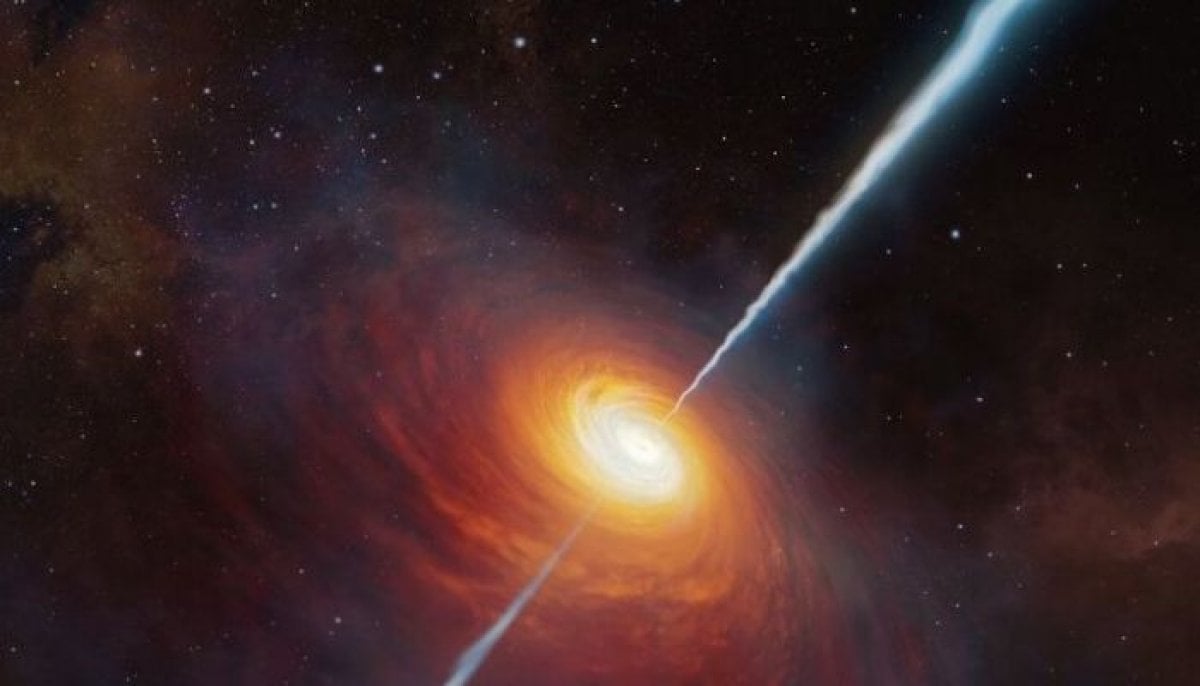 Astronomers find most distant fast radio burst ever recorded
 -
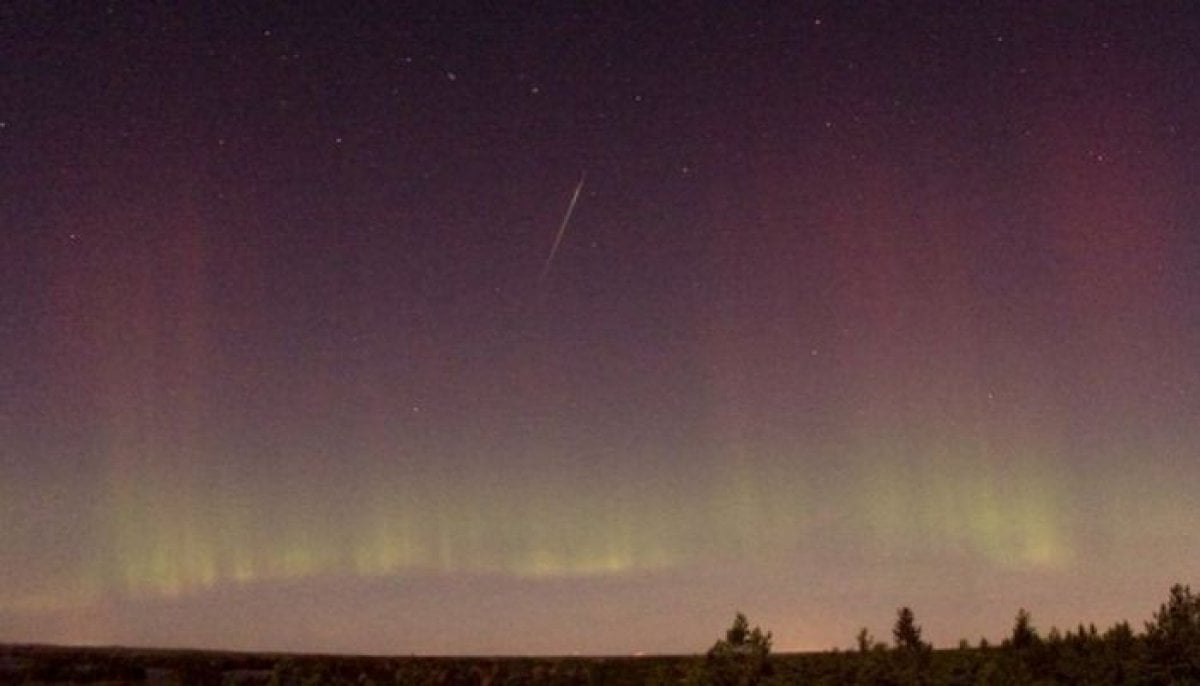 Draconid meteor shower tonight: Best time and places to see it
 -
 ‘A dream for 50 years’: Why world’s first nuclear clock could change timekeeping
 -
 NASA Curiosity captures strange ‘wind-carved’ Mars landscape in dawn image
 -
 NASA's Crew-12 Dragon begins return trip from space station
 -
 Mysterious ‘phoenix planet’ found around the remains of a dying star