Hollywood stars back UK campaign against AI voice cloning
The campaign wants PM Andy Burnham to make voice ownership a legal right in the UK
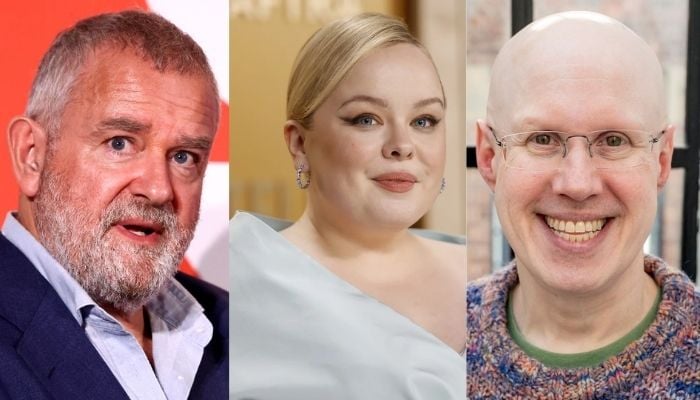
A voice can now be cloned convincingly in about three seconds, according to the campaign group behind Save Our Voices. Now, that speed is exactly what's driving more than 80 performers, including Nicola Coughlan, Hugh Bonneville, and Matt Lucas, to demand legal protection before the technology outpaces any attempt to regulate it.
The group has sent an open letter to Prime Minister Andy Burnham and launched a UK government petition calling for voice to become a protected statutory right, similar to how a person's name or image can already carry legal protection.
Bonneville, known for Paddington and Downton Abbey, emphasised that his handwritten statement backing the campaign was deliberately not AI-generated, framing his voice as something inseparable from his identity rather than raw audio data available for reuse.
Save Our Voices Now cites research finding 28% of UK adults believe they've been targeted by a voice-cloning scam, a figure that tracks closely with a separate Starling Bank-commissioned study this month putting the number at a similar level.
Founding Member Peter Caulfield made no bones about the legal void that exists at present, saying that government policy is enabling AI companies to exploit cloned voices without permission in order to make money off of them while leaving the rest of us vulnerable to identify theft.
Actress Siobhán McSweeney, star of Derry Girls, made the connection with her own profession, noting that laws, contractual agreements, and industry standards have failed to keep up with the speed at which voice cloning technology has developed.
She said that audiences want the real thing and not some kind of impersonation.
Campaign co-founder and audiobook narrator Alice Sockett has separately described unauthorised voice cloning as an existential threat to the wider voiceover industry.
Denmark has already passed legislation granting citizens legal ownership over their own face, body, and voice, giving people the right to demand removal of unauthorised AI-generated content and seek compensation when it's used without consent.


-
 Halle Berry’s custody case: New voice may enter the courtroom
 -
 Charges Selma Blair may face over alleged conduct on Delta flight
 -
 'Breaking Bad' star RJ Mitte dies at 34
 -
 Katie Price takes the stand in ex-husband's trial
 -
 Prince Harry reveals his 10-day rule for Meghan and kids
 -
 Selma Blair arrested after 'assault' on two flight attendants
 -
 Royal family security to be reviewed after murder of ex-minister
 -
 Mikey Madison opens up about her Frances Haugen role