Scientists uncover two lost human ancestors hidden in modern DNA
Researchers developed a computer-based method called TRACE to analyse more than 500 modern human genomes

Scientists have identified traces of two previously unknown ancestral populations hidden in modern human DNA, offering new clues about the complex origins of Homo sapiens.
According to a study published in the journal Science, researchers developed a computer-based method called TRACE to analyse more than 500 modern human genomes from populations across Africa, Europe and Asia.
One “ghost” lineage appears to have interbred directly with Homo sapiens in Africa more than 50,000 years ago, before modern humans migrated out of the continent. Researchers estimate its DNA accounts for about 0.5 percent to one percent of the genomes of people today.
A second, much older “super-archaic” lineage appears to have split from the human family tree about 1.8 million years ago.
Scientists believe it interbred with Denisovans more than 200,000 years ago, allowing some of its DNA to eventually reach modern humans.
“The super-archaic finding is particularly exciting because it reveals genetic contributions from a human lineage that lived over a million years ago, despite the absence of any sequenced DNA from that population,” study co-author Arjun Biddanda said in a statement.
Researchers cannot yet identify the populations, but suggest the younger lineage could be linked to Homo heidelbergensis, while the older ancestor may be related to Homo erectus.


-
 SpaceX Falcon 9 launches 21 military satellites into orbit
 -
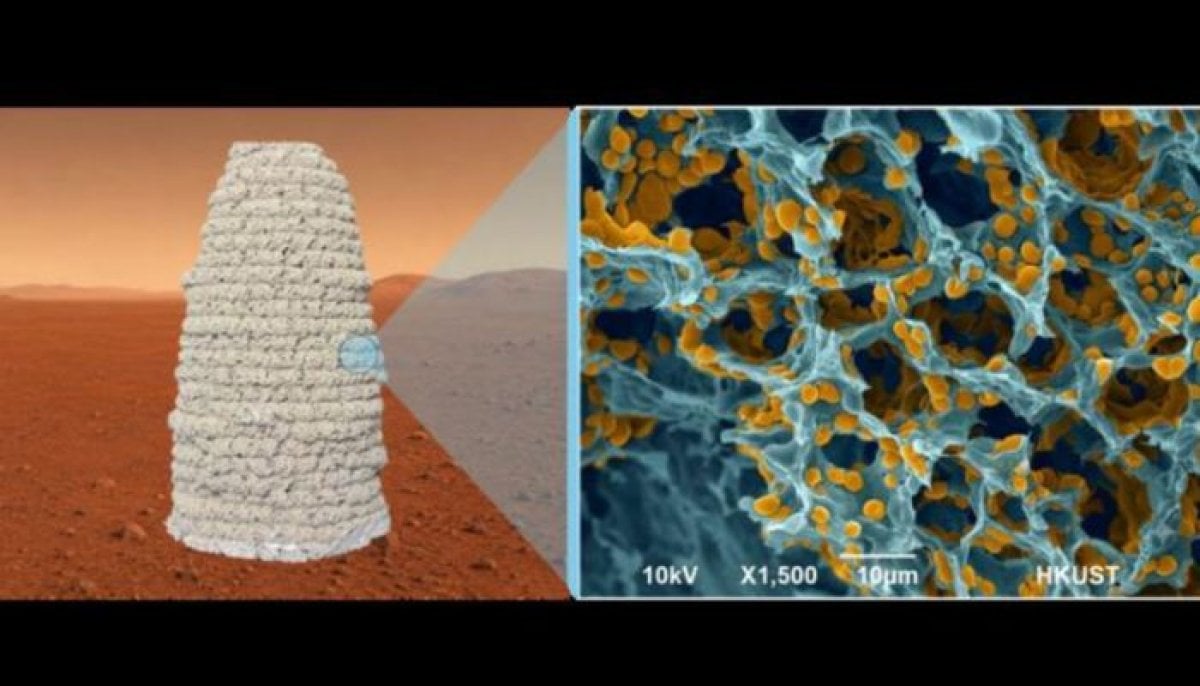 Could a newly engineered microbe help humanity survive on Mars?
 -
 Astronomers find most distant fast radio burst ever recorded
 -
 Draconid meteor shower tonight: Best time and places to see it
 -
 ‘A dream for 50 years’: Why world’s first nuclear clock could change timekeeping
 -
 NASA Curiosity captures strange ‘wind-carved’ Mars landscape in dawn image
 -
 NASA's Crew-12 Dragon begins return trip from space station
 -
 Mysterious ‘phoenix planet’ found around the remains of a dying star