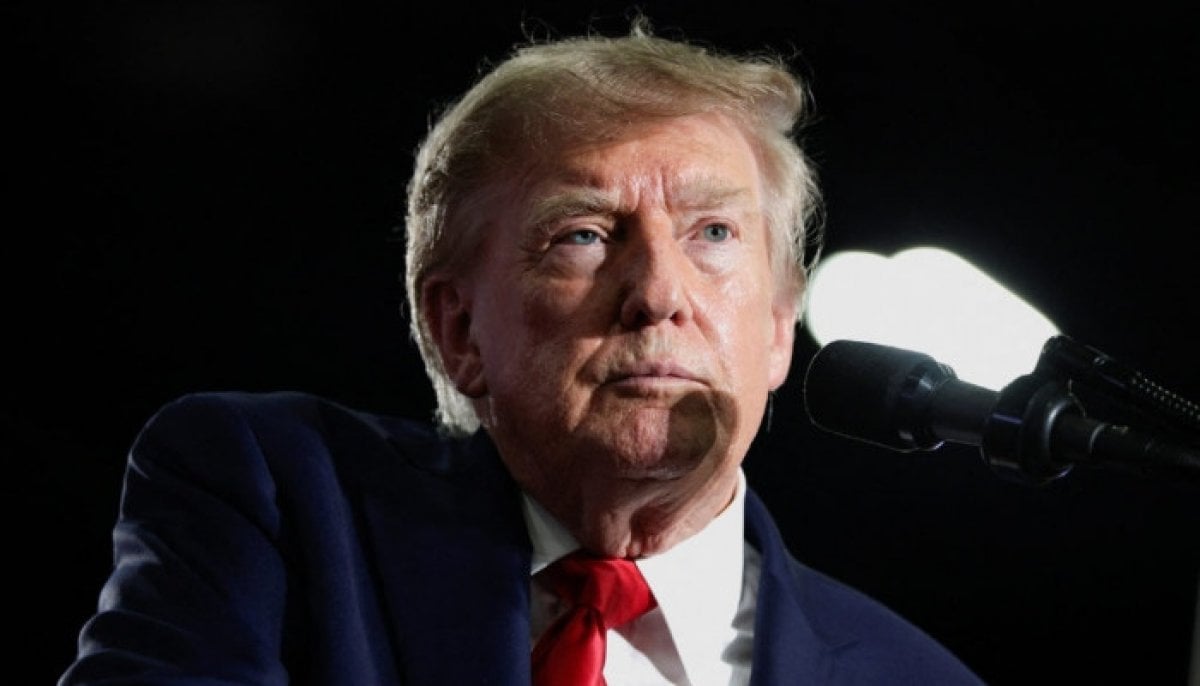
Trump reaffirms ban on central bank digital currency, defending the GENIUS Act
President Donald Trump backs clearer crypto rules while maintaining his opposition to a US digital dollar, urging Congress to advance the stalled CLARITY Act

In a latest update U.S. President Donald Trump reaffirmed his opposition to a U.S. central bank digital currency (CBDC) during a White House meeting with cryptocurrency industry executives on August 19.
It comes after Trump administration has opposed a Federal Reserve-issued digital dollar.
Following the announcement for the crypto bill, Trump administration enacted strict measures including an executive order strengthening American leadership in digital financial technology to prohibit federal agencies from issuing, endorsing, or establishing a CBDC within the United States.
The administration has consistently argued that a government-backed digital dollar poses severe threats to individual privacy, financial system stability, and financial freedom, viewing it as a potential tool for government surveillance or overreach.
The GENIUS Act and the 'Joke' Commentary:
Signed into law, the GENIUS Act established the first comprehensive federal regulatory framework for payment stablecoins in the U.S.
It mandates that stablecoin issuers back their digital tokens 100% with secure, liquid reserve assets like U.S. dollars or short-term treasury bills and subjects them to strict anti-money laundering (AML) compliance.
According to the official statements from The White House, Trump has heavily championed the legislation as a vital step to cement U.S. dominance in digital assets and bolster the global reserve status of the U.S. dollar.
His "jokes" and sharp commentary typically target traditional banking institutions or regulatory gridlocks that try to undermine or weaken the private stablecoin and digital asset frameworks established by the act.
By legally barring a government-run CBDC while simultaneously codifying clear, regulated pathways for private stablecoins and digital assets, the administration's policy relies entirely on the private sector and blockchain-based dollar tokens to drive digital financial innovation rather than a centralized Federal Reserve digital currency.


-
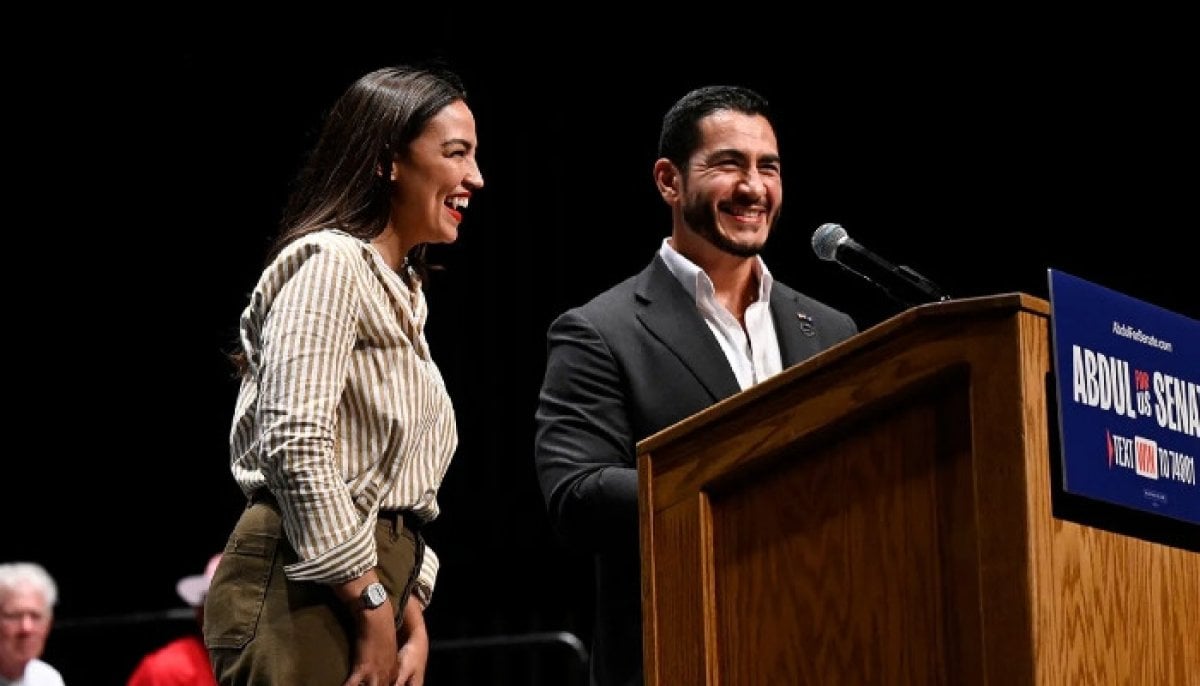 AOC calls for political unity while campaigning for Abdul El-Sayed in Michigan
 -
 Ukraine resumes Russian oil strikes amid Starlink restrictions and US intelligence concerns
 -
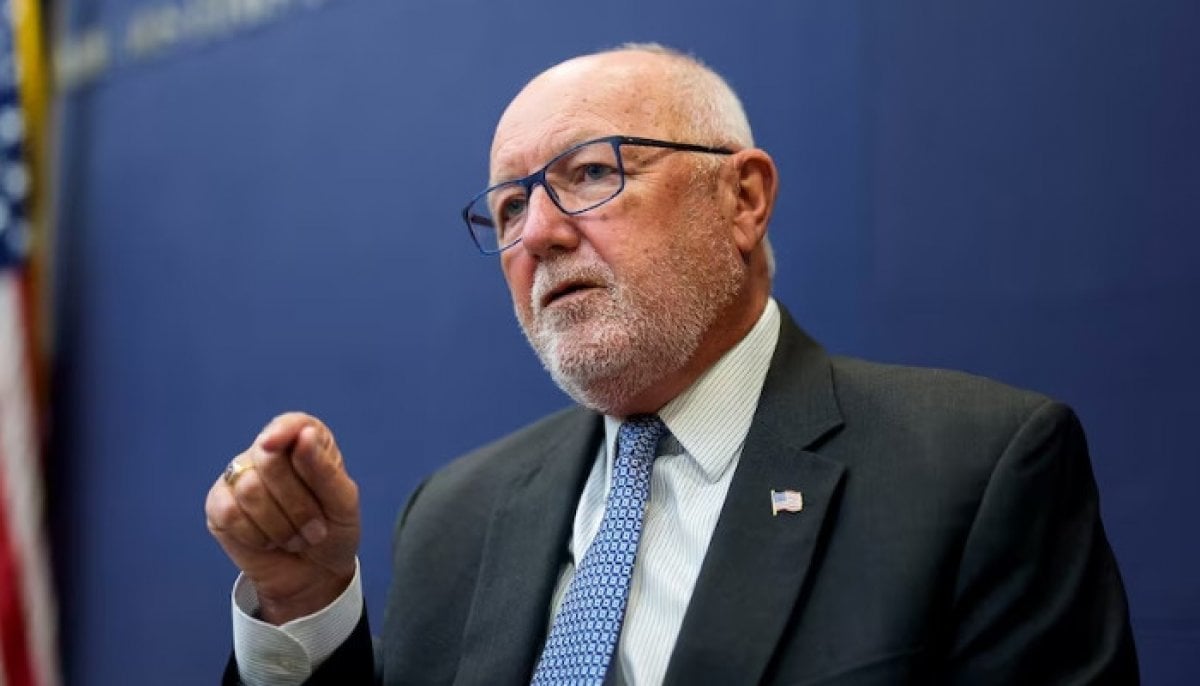 Trump's ambassador tells Canadian politicians to keep their ‘nose out’ of US elections
 -
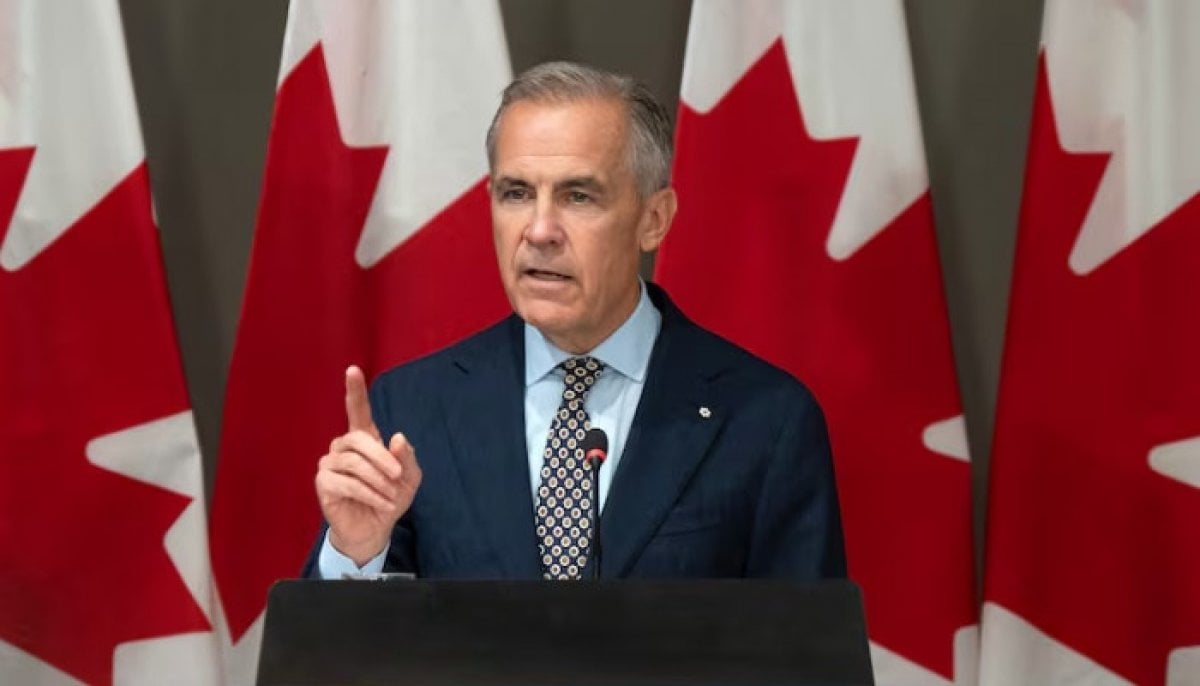 Carney says Canadian security agencies monitoring foreign interference ahead of Alberta vote
 -
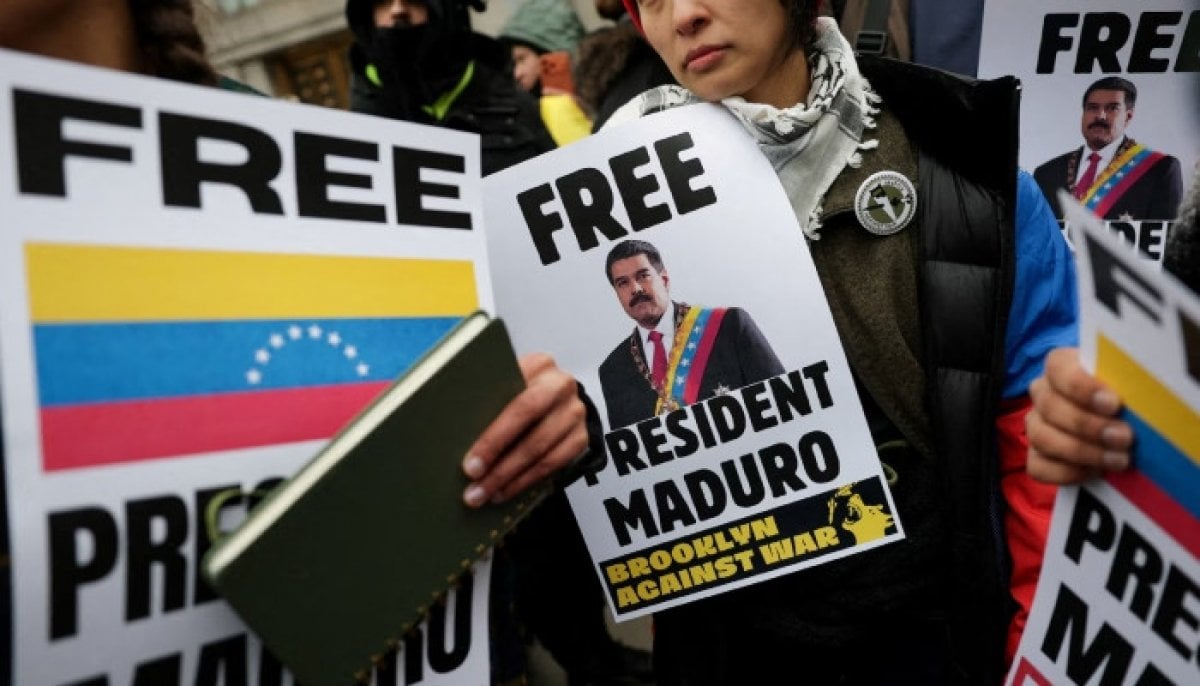 Nicolás Maduro and wife plead not guilty to new torture allegations in US court
 -
 England issues severe drought declaration following driest months in a century
 -
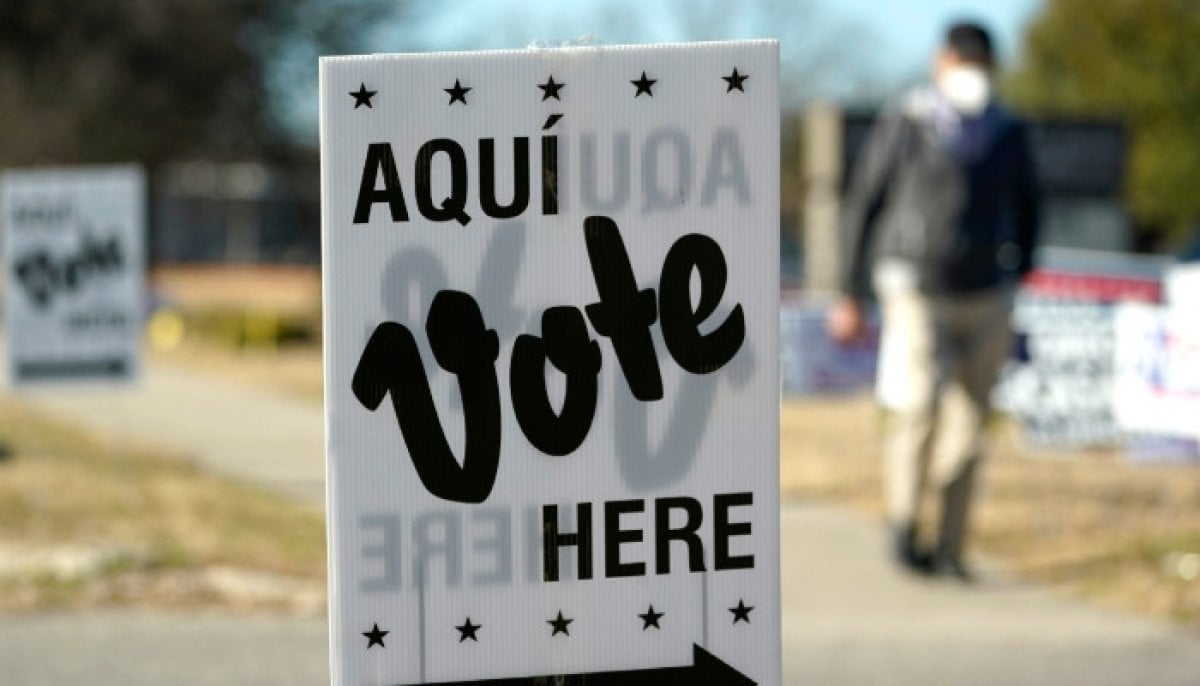 Texas faces voting rights lawsuit after 600,000 registrations caught in IT failure
 -
 Illinois teen accused of plotting mass shooting at Hindu temple after co-workers alert police
-
 Trump approval rating hits new low as Democrats lead Republicans by nine points
 -
Trump overrules Pete Hegseth's plan to livestream Fort Hood gunman's execution
-
William Chapman, the man killed by tiger at Yorkshire zoo had schizophrenia, inquest told
-
Trump says execution of Nidal Hasan will not be livestreamed