1.7 million planned satellites could devastate astronomy, scientists warn
Currently, Earth hosts 14,000 orbiting satellites

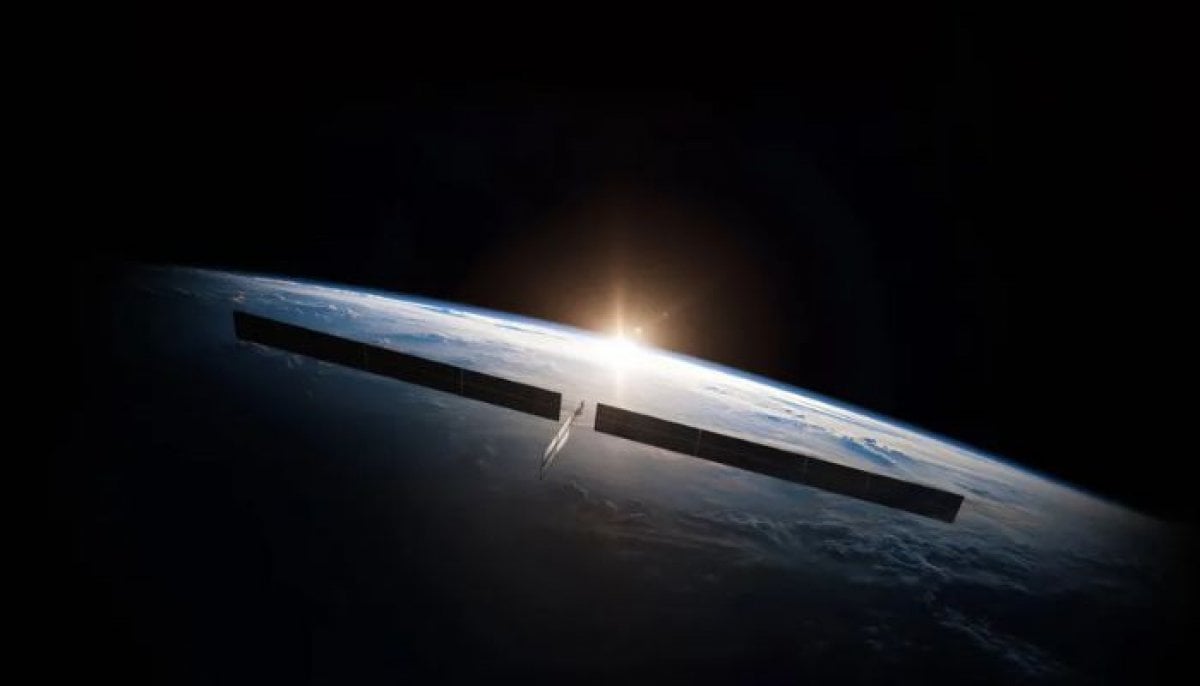
A new study has issued a warning regarding the companies’ competing efforts to launch 1.7 million satellites into Earth’s orbit and their ever-lasting impacts on the future of space sciences.
According to the European Southern Observatory (ESO) which conducted the research, the race to launch massive satellites into the Earth’s orbit poses “an existential threat” to telescopes viewing the universe. Eventually, humanity will lose the ability to properly explore the night sky.
Astronomers also warn that this volume of satellites will obscure ground-based telescopes. The Vera C. Rubin Observatory in Chile, which features the largest camera ever built, would have almost all of its images rendered unusable.
Currently, Earth hosts 14,000 orbiting satellites. But the companies like SpaceX, E-Space and some Chinese companies are striving to increase this number to over 1.7 million by 2028. The satellites would help to support the AI boom as companies like SpaceX have planned to build orbital data centers.

Besides blocking the night view, the massive swarming of satellites could brighten up the sky four times, mimicking the light-polluted skies of suburbs in remote areas like the Sahara Desert.
“But if we go from 14,000 to 1.7 million, we are really going to have problems.” The Reflect Orbital satellites pose a particularly significant threat to dark skies. Even when their mirrors are not pointed at the observer, the light they scatter will make each one as bright as Venus — which is known as the “morning star”, ESO astronomer Olivier Hainaut said, who led the study published in Astronomy & Astrophysics.
To preserve the ability, researchers suggested a limit of “100,000 satellites orbiting Earth.” But the cap suggested by the ESO astronomers can only be decided by the US Federal Communications Commission (FCC), which is currently reviewing launch applications from SpaceX and Reflect Orbital.


-
 New report warns of record ocean warming and rising seas
 -
 Why NASA scientists believe Scotland holds clues to Mars’ ancient past
 -
 China’s bold Mars plan: Map entire Red Planet by 2028
 -
 Swiss drought reveals Roman secrets that could redraw ancient maps
 -
 SpaceX’s Starship engine failure raises questions over NASA’s moon mission
 -
 SpaceX Starship Flight 14 reaches orbit after successful insertion burn
 -
 Asteroid Bennu: NASA samples reveal how it was born from fire and ice
 -
 Harvard scientists detect mysterious radio signal from planet outside our solar system