Smart glasses could drive next wave of exam cheating, UK watchdog warns
Malpractice related to devices has already become most common form of cheating among students in examinations in England

England's exams regulator is warning that the next generation of cheating may not arrive in a student's blazer pocket; it may be perched on their face.
Ofqual Chief Regulator Sir Ian Bauckham says advances in wearable consumer technology are creating challenges that traditional invigilation was never designed to handle.
Malpractice related to devices has already become the most common form of cheating among students in examinations in England. As per Ofqual reports, mobile phones and other smart devices accounted for 2,225 malpractice instances out of 44.3% of all student malpractice reports during the exams conducted in 2025. Device-based malpractices have been topping the list of malpractices since 2018.
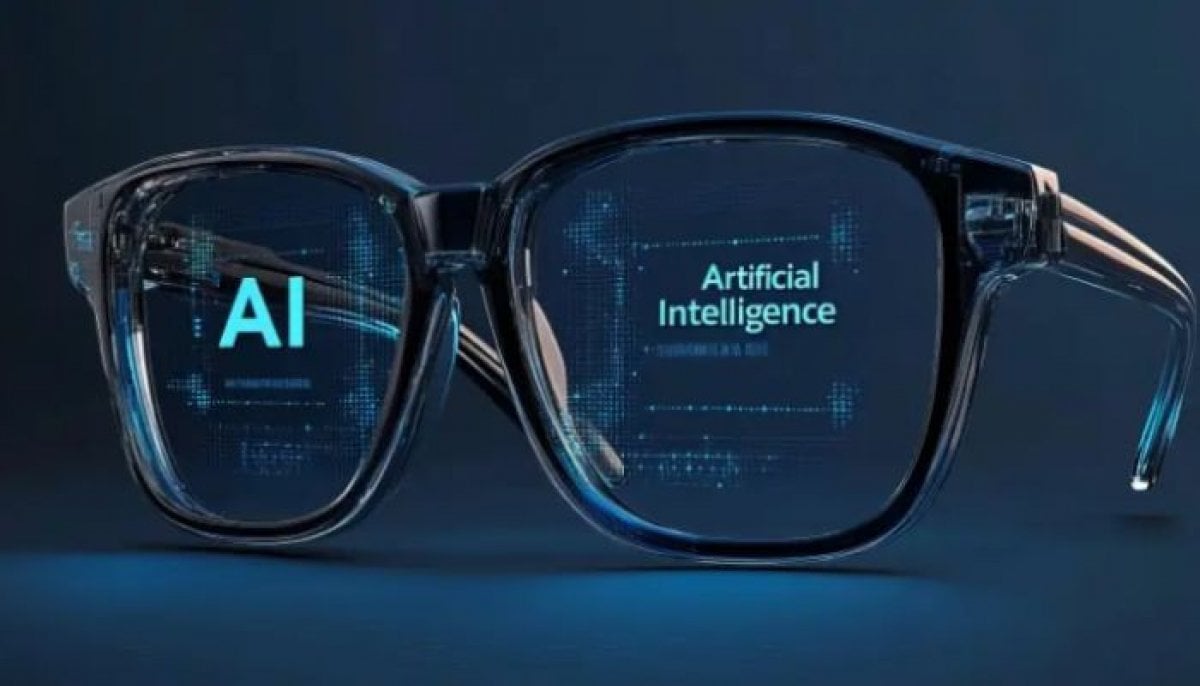
A pair of regular spectacles showing information to the user, or an almost unnoticeable earpiece conveying answers from an external source, makes cheating much more difficult to recognise across the exam hall.
With wearable devices being equipped with technologies such as cameras, microphones, AI assistants, and internet connectivity by consumer electronics companies, the distinction between fashion accessories and cheating tools is blurring.
"We shouldn't underestimate the challenge involved here," Bauckham said in a new Ofqual podcast, warning that regulators will need to keep pace with consumer technology as it evolves.
Since the purpose of the machine is to translate languages and verify messages, there isn't much needed in order to turn it into a tool for a three-hour mathematics test.
Going beyond the test environment, Bauckham highlighted that artificial intelligence becomes another issue for the integrity of coursework assignments. With more and more essays generated using AI being hard to separate from genuine student works, Ofqual is looking at ways of verifying whether an assignment is genuine.


-
 US politician slams Sam Altman over 'accept some bad things happening' remark
 -
 Italy antitrust regulator opens investigation into AI music startup Suno
 -
 Smart glasses face bans over privacy concerns: Full list of countries
 -
 Mistral AI new model beats Chinese competitors in cybersecurity, claims CEO
 -
 UK regulator probes Meta over child safety risks in Instagram's 'Instants' feature
 -
 OpenAI admits ‘not good enough’ response to Australia government hacks
 -
 Meta, TikTok and X challenge UK watchdog over safety data: What to know
 -
 Norway proposes temporary ban on AI glasses in public spaces over privacy fears