IMF warns economic fallout of US–Iran conflict will hit UK hardest
UK government warns higher commodity prices and energy costs could persist for up to 8 months amid rising inflation pressures

The UK's senior government officials intimate that people in Britain could face higher energy, food, and flight ticket prices for at least eight months after the end of the US-Israel war with Iran.
Last week, the International Monetary Fund (IMF) predicted the energy shock from the war would hit the UK the hardest of the world's advanced economies and cut its estimate for UK growth this year from its previous prediction of 1.3% to 0.8%.
As reported by the BBC, Darren Jones, chief secretary to the prime minister, said the government was "looking at all of those things" as it steps up plans to offset potential food and fuel shortages caused by the war.
Jones has previously said that while the government would do everything in its power to find a permanent solution to the crisis and offset its impact, "what happens abroad will still affect us here at home."
It comes as energy production and transportation across the Middle East have slowed or stopped entirely due to the conflict, causing supply chain issues and price rises globally.
Earlier this month, government officials drew up a worst-case scenario of food shortages by the summer, including chicken and pork, should the war continue.
The government has also been seeking to calm the public, urging drivers to keep filling up with petrol and using cars as usual and not to change their travel plans amid fears over potential jet fuel shortages.
Speaking on the BBC's Sunday with Laura Kuenssberg, Jones said he was looking at the economic impact of the war "in a lot of detail" but said that "price pressure" was more likely than gaps on supermarket shelves.
"Our best guess is eight plus months from the point of resolution that you'll see economic impacts coming through the system," he said.
"So people will see higher energy prices, food prices .... and flight ticket prices as a consequence of what Donald Trump has done in the Middle East."
The UK's prime minister, Keir Starmer, was also concerned about the situation and announced he would chair another meeting of a Cabinet committee on Tuesday to set up a way to deal with any shortfalls, while a group of ministers are also meeting twice a week to monitor stock levels and any disruptions to the supply chain amid global economic challenges.
Starmer said, "This is not our war. The government made the right call to stay out of the conflict and only take defensive action to protect Britain's interests.
"We're acting now to prepare for, and mitigate where possible, the impact on our economy and domestic security as a result of the conflict," he added.


-
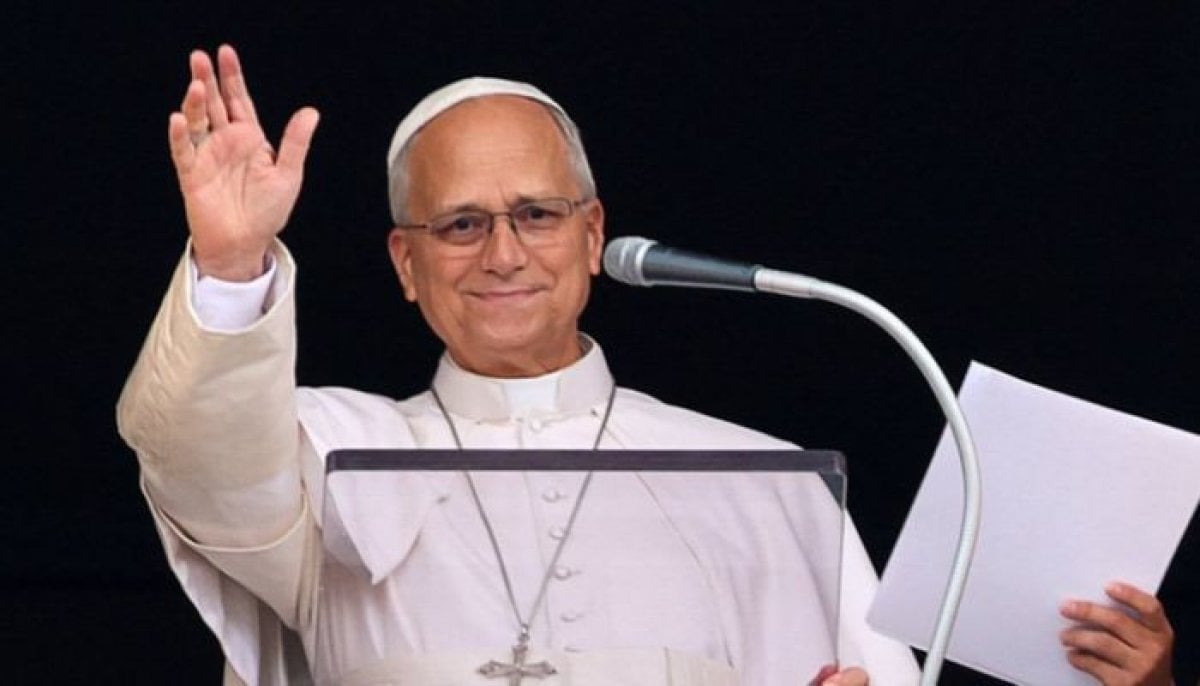 Pope Leo outlines major gradual return to duties in first event since cancer surgery
 -
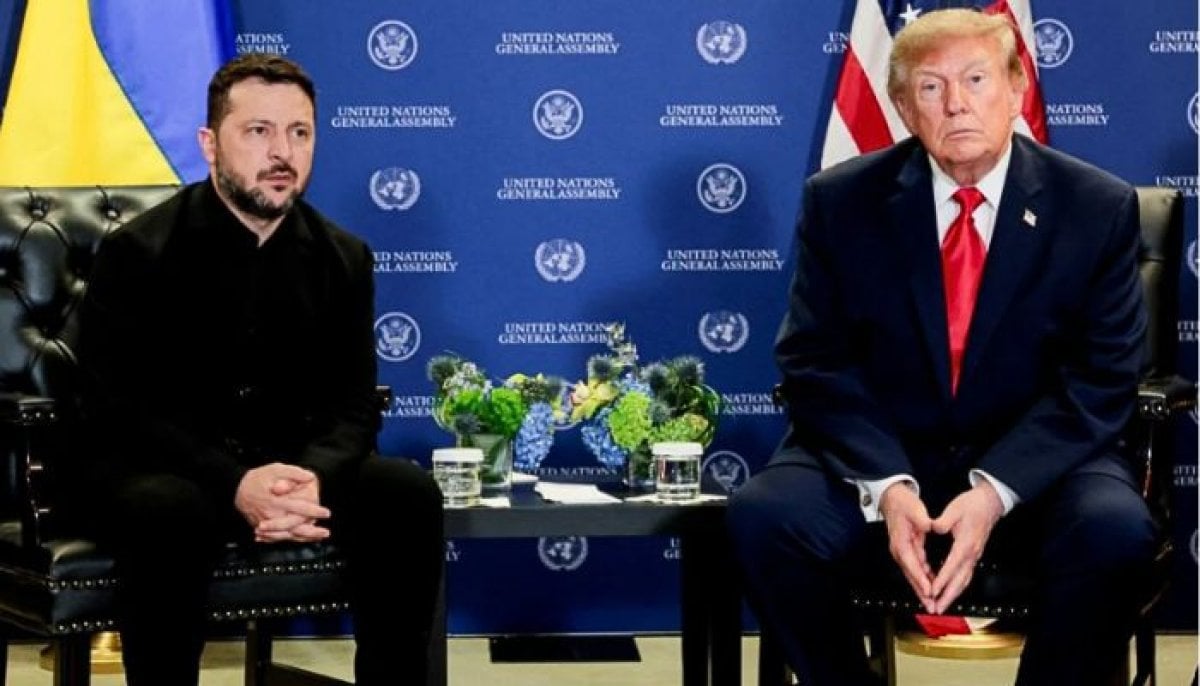 Trump-Zelensky clash sparks urgent fears over future US support for Ukraine
 -
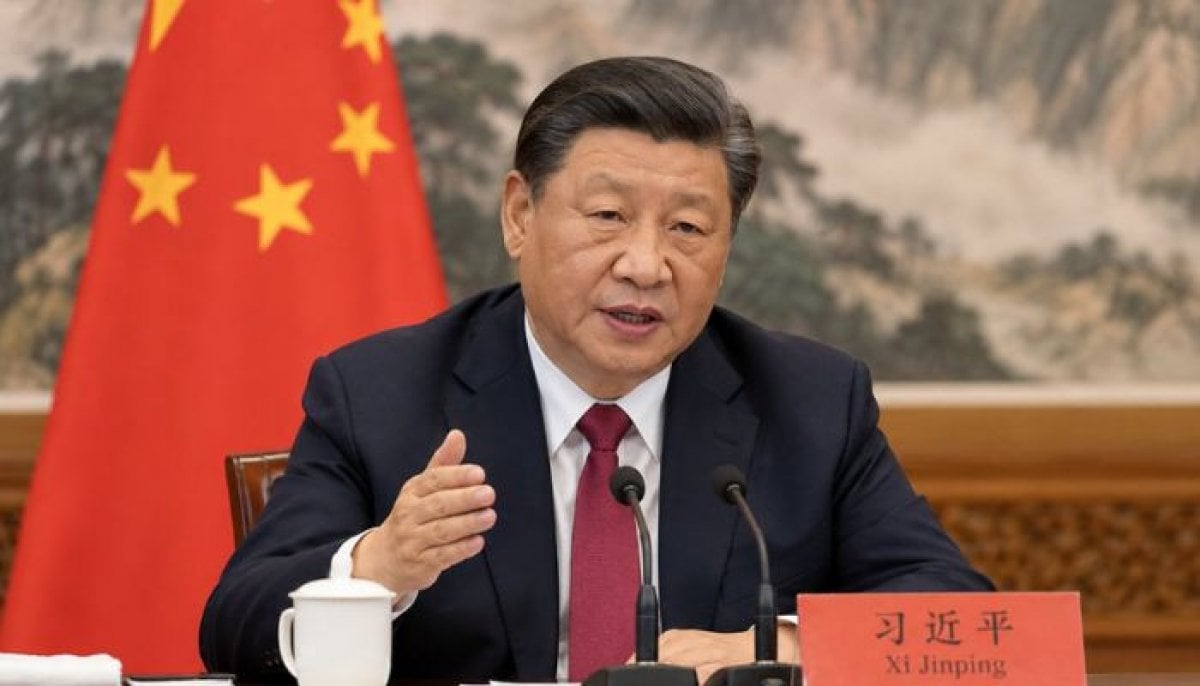 China targets solar supply chain with new export restrictions on key technologies
 -
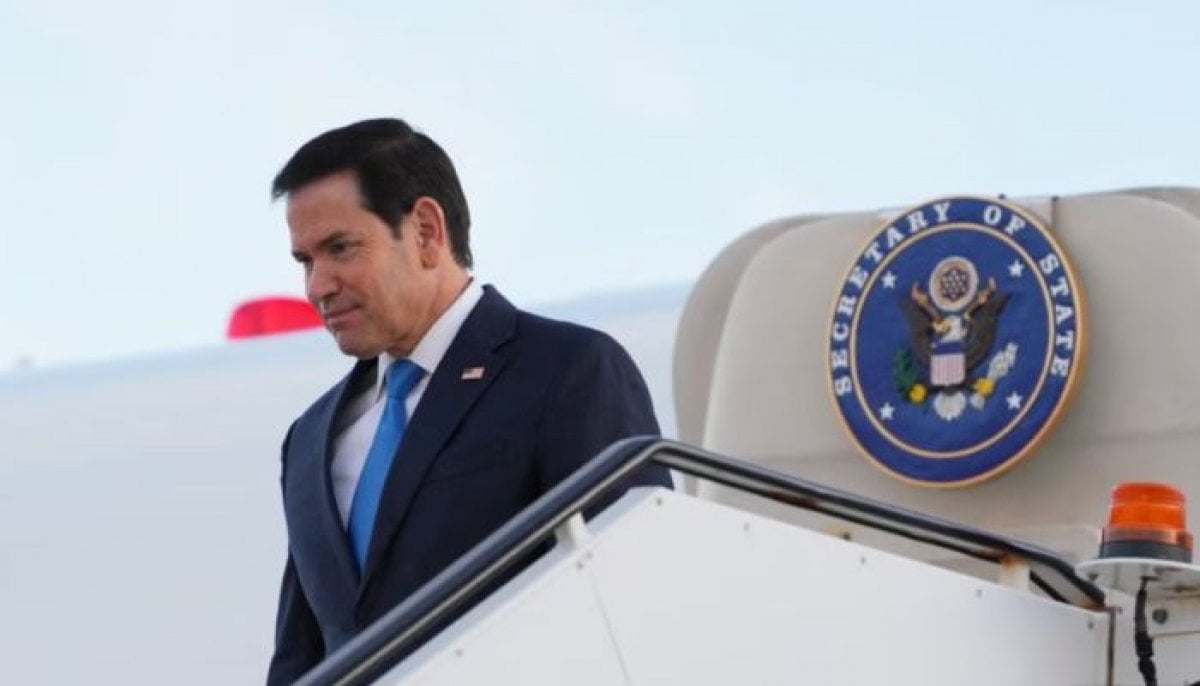 Rubio leads US delegation to Central Asia to expand trade and strategic influence
 -
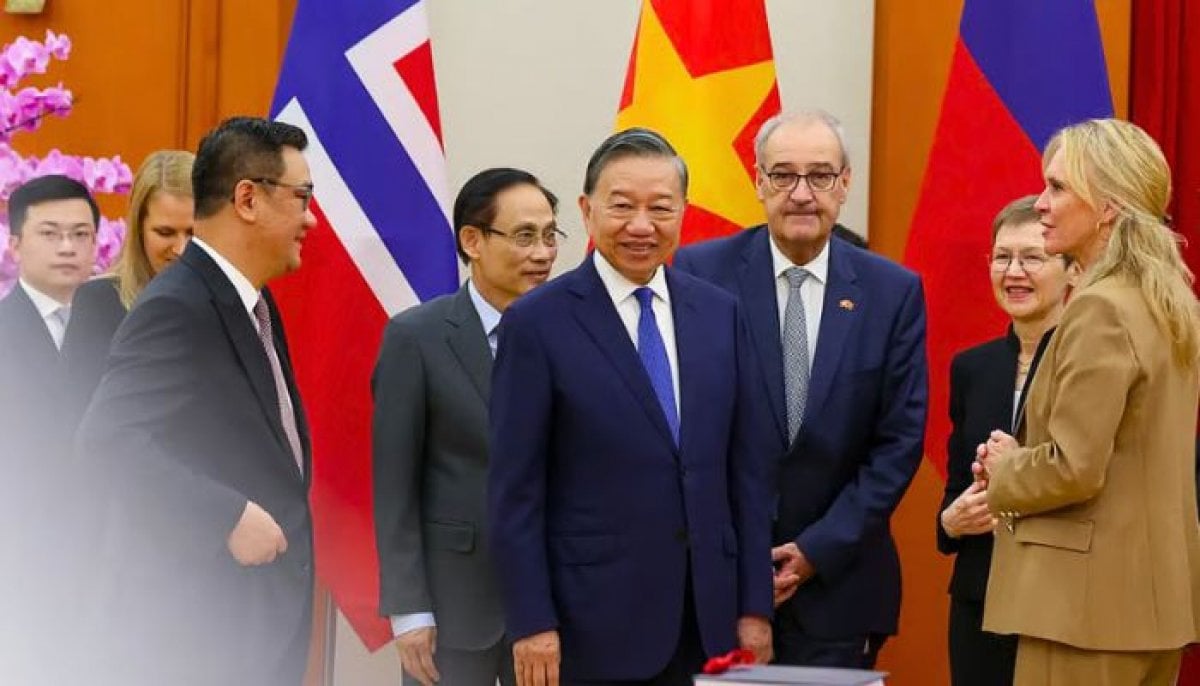 Vietnam signs free trade agreement with EFTA nations including Switzerland and Norway
 -
 Lindsay Clancy lawyer criticised for outing lone holdout juror
 -
 Why are people protesting in Milan?
 -
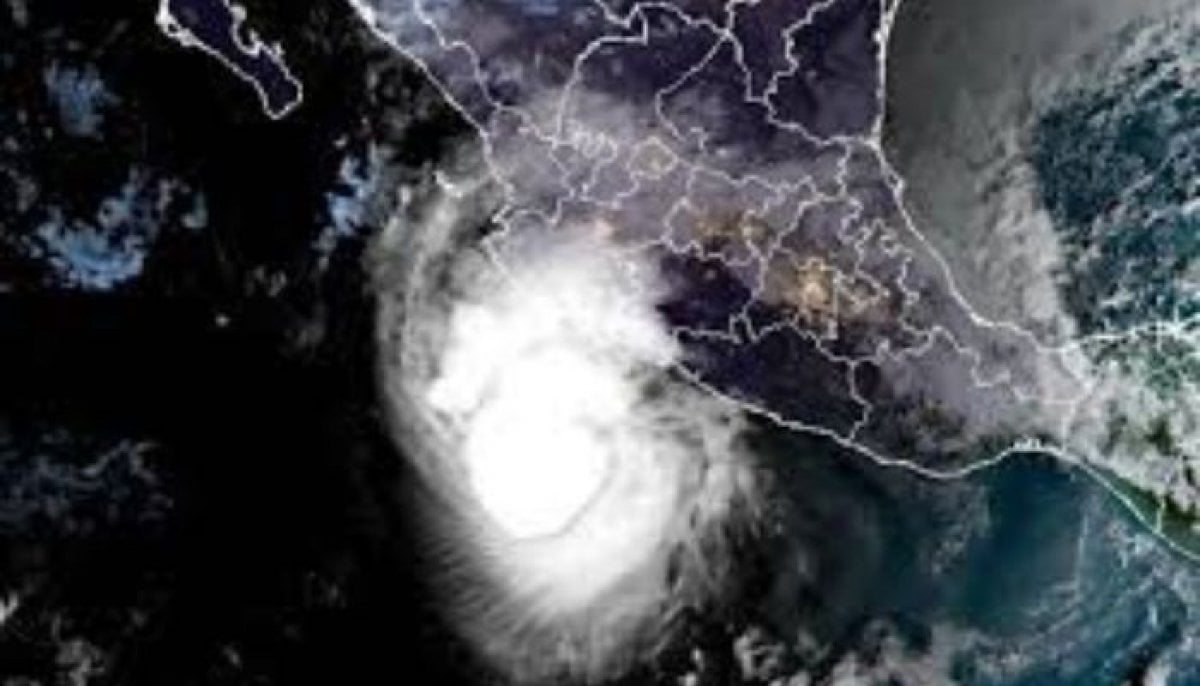 Hurricane Trudy nears Mexico’s Pacific Coast, threatening heavy rain