China moves to ban ‘bone ash apartments’ to regulate burial practices
The new law will put an end to these apartments, which have grown in popularity as spaces in cemeteries remain scarce

The rise of bone ash apartments in China has led to a government crackdown on the practice due to skyrocketing burial costs and cemetery shortages. Families are increasingly pursuing or using empty residential apartments to store the cremated remains of loved ones instead of using traditional cemeteries.
High cemetery costs and limited space have made buying an apartment more affordable than a burial plot. In 2025, property prices in China fell 40% from 2021 levels. Consequently, these properties are turned into private ritual halls or ancestral shrines, often identifiable by sealed windows and permanently closed curtains. Burial plots in cities like Beijing remain expensive and typically come with only a 20-year lease that must be renewed.
In response, the Chinese government is prohibiting the use of residential properties specifically for the placement of ashes. The legislation further bans burying remains outside of designated cemeteries or authorized ecological burial areas. This announcement comes just before the Qingming Festival, the traditional time for honoring ancestors.
Meanwhile, a 2020 survey revealed that funerals in China cost nearly half of the average annual salary. While eco-friendly plots can start at 10,000-yuan, standard tombstones in prime locations are out of reach for many. Following public outcry, the Ministry of Civil Affairs is introducing rules to tackle fraud and increase price transparency in the funeral industry to reduce the burden on the masses.
Social media users on platforms like Weibo argue that people only resort to these apartments because they cannot afford cemetery plots. In addition, critics question how the government will effectively monitor private apartments to determine if they are being used for living or for storing ashes.
The State Administration for Market Regulation has clarified new requirements for the funeral industry following concerns over high costs. The agency is committed to introducing new rules to tackle fraud and ensure transparency in order to mitigate the burden of funerals on the masses.


-
 Virginia's County sues to halt Trump's 250-foot triumphal arch near Arlington National Cemetery
 -
 Elon Musk's mother leaves him emotional with heartfelt remarks
 -
 Nobel Prize winner Maria Corina Machado calls for presidential elections by July 2027
 -
 Navi Pillay wins Nobel Peace Prize for promoting peace and international law
 -
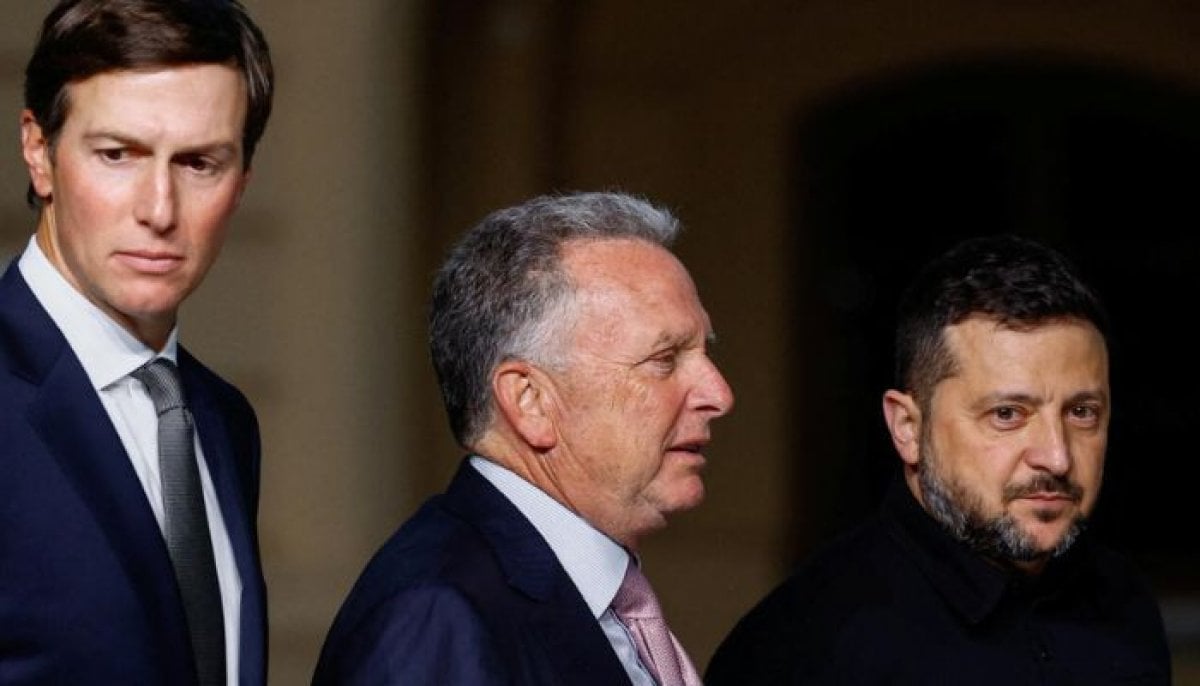 Russia-Ukraine peace efforts: Trump envoys to discuss new US proposals with Kyiv, Europe
 -
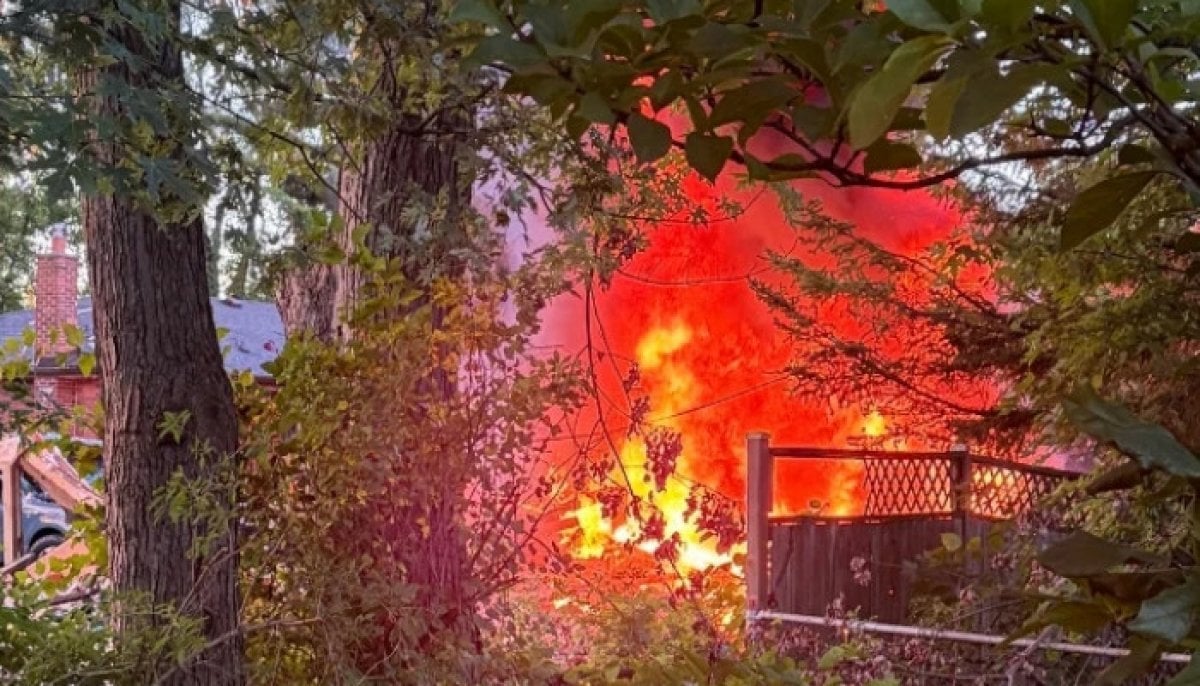 Two homes in Hamilton, Ontario devastated by explosions, three hospitalised
 -
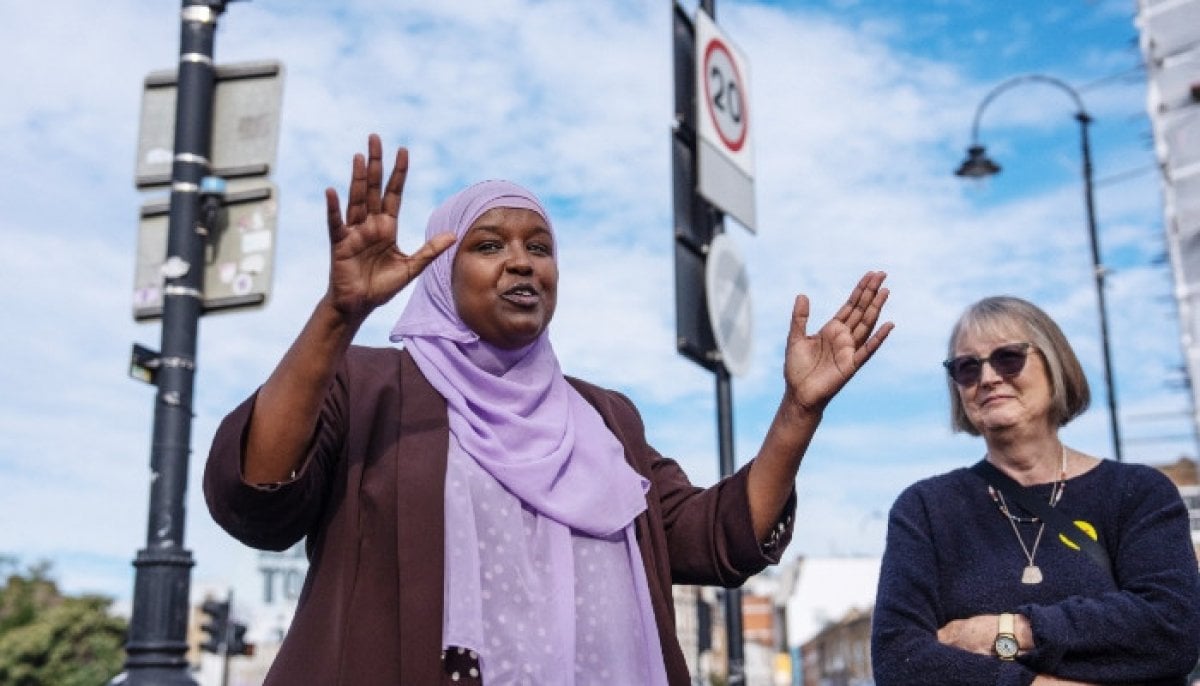 Labour wins Keir Starmer’s former seat as defeating Green party in London byelection
 -
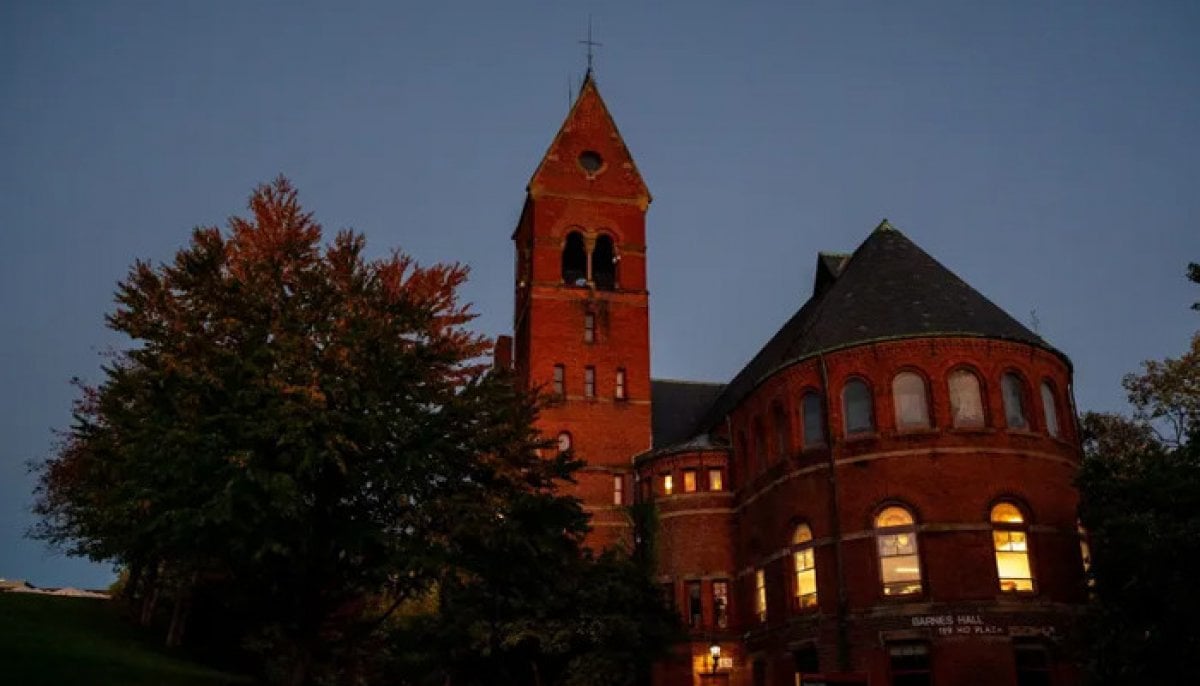 Cornell 7 assault case takes shocking turn as new text messages emerge
-
 Carney hits back at Elon Musk after his comments backing Quebec, Alberta separatism
 -
Russia strikes passenger bus in Ukraine, killing at least 30 civilians: officials
-
Trump targets Microsoft, tech firms, top universities over alleged green card abuse
-
Hurricane Isaias could approach Category 3 threatening Gulf Coast with flooding