Skies in Australia turn blood-red: Here’s what happened
Elevated levels of atmospheric particles result in significantly more vivid red colors
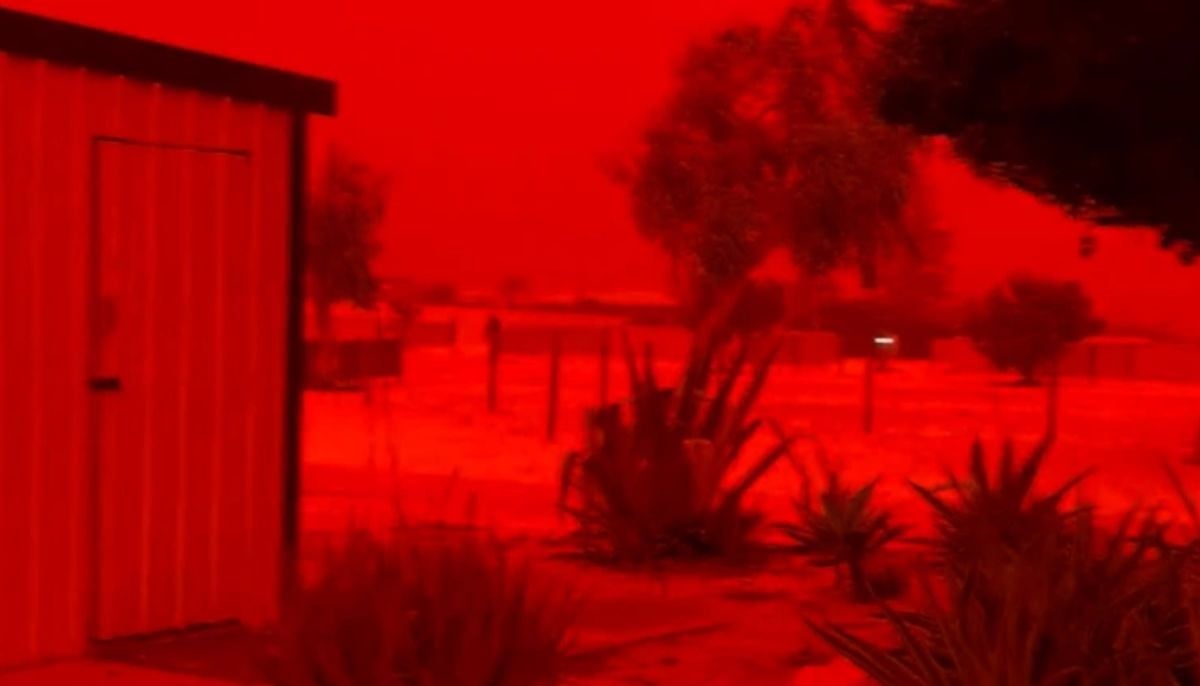
Dramatic scenes of blood-red skies have recently been seen in Western Australia. Residents can closely explore the science of atmospheric light as sunlight is made of all the colors of the rainbow, which interact with gas molecules and dust in the air. The sky usually looks blue because shorter light wavelengths scatter easily when the sun is overhead.
At dawn or dusk, sunlight travels through a much thicker layer of the atmosphere, filtering out shorter blue wavelengths and leaving only the longer reds. Meanwhile, high levels of dust, smoke, or pollution make these red hues much more vivid. In Western Australia, powerful winds from Cyclone Narelle off the coast kicked up massive amounts of desert sand, providing the fuel for these dramatic, blood-red skies.
Larger particles like dust trigger a process called Mie scattering, which specifically intensifies red and orange tones to create a blood-red appearance. The phrase “red sky in the morning" has a scientific basis; it often indicates the sun is reflecting off incoming clouds from the west. Red morning skies can be a natural signal that rain or a storm is approaching, as sunlight hits microscopic water particles at low angles.


-
 Ryan Reynolds reveals why his 50th birthday won’t be a big celebration
 -
 Porter Airlines flight cancelled after child refuses seatbelt, passenger defends family
 -
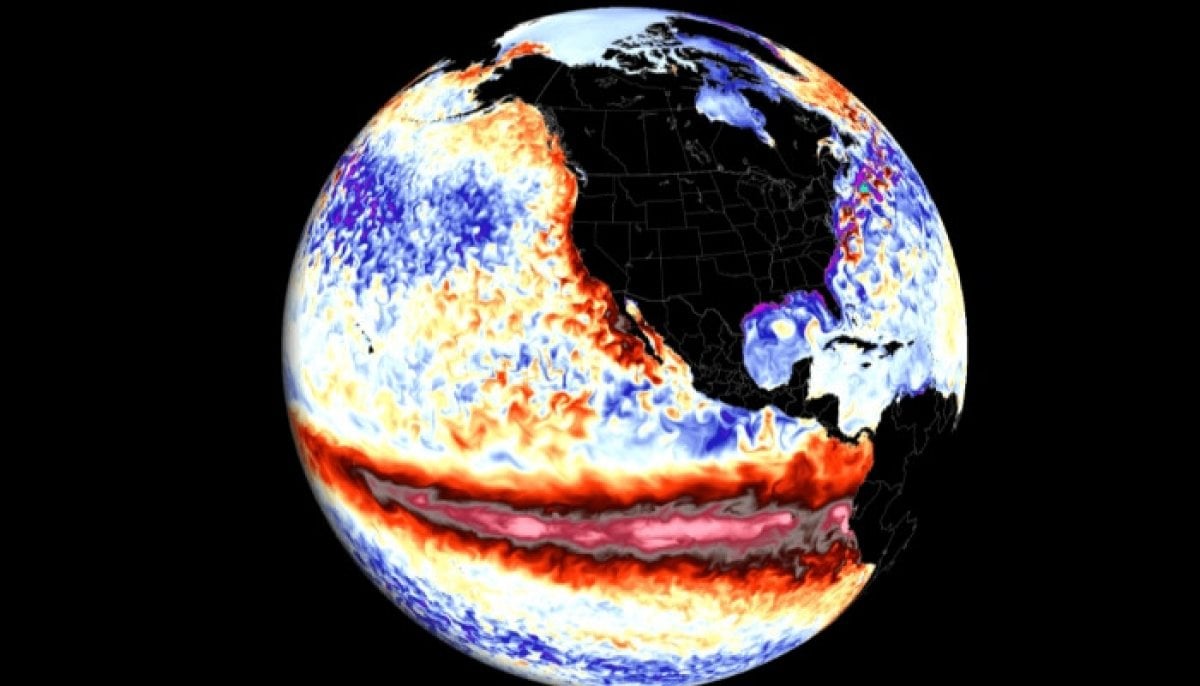 2027 will be be even hotter than than 2026, Super El Niño forecast shows, raising fears of global heat
 -
 Elsie Hewitt makes pointed claim about single motherhood after Pete Davidson split
 -
 Taylor Frankie Paul faces son custody blow amid Dakota Mortensen assault investigation
 -
 How Europe’s hair stylists are cutting carbon & boosting climate action
 -
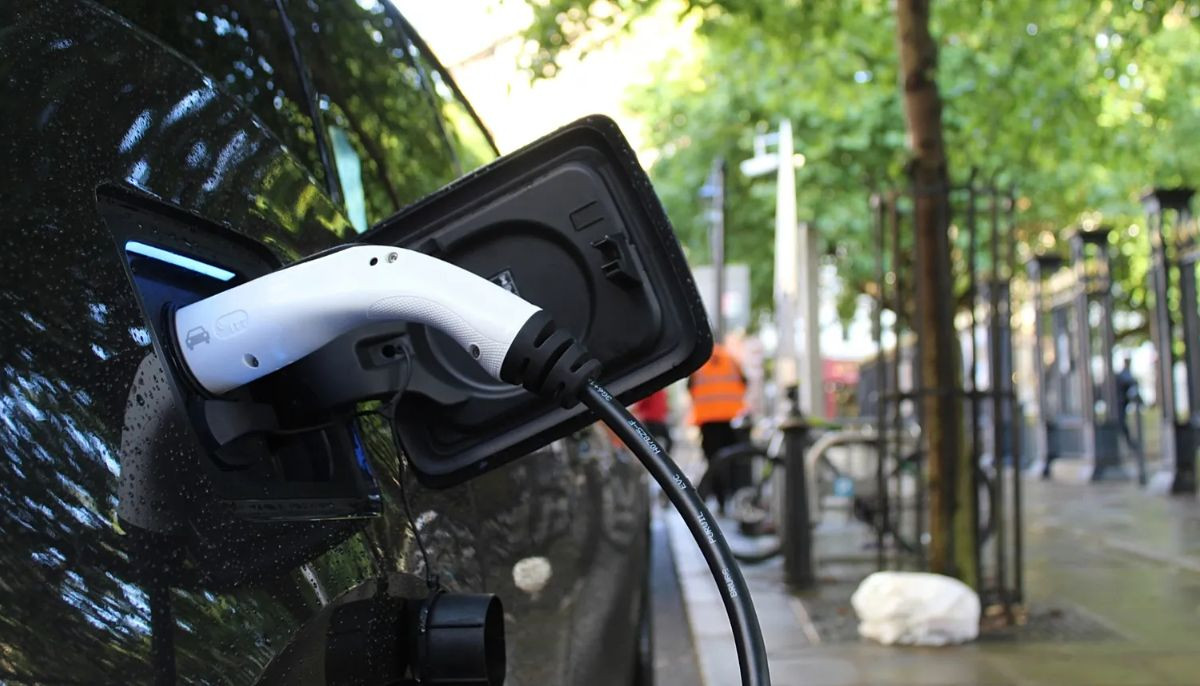 EV batteries at risk: Can technology outsmart a warming planet?
 -
 Lisa Rinna slams Andy Cohen for his below the belt move: 'So shady'
-
 Rihanna 38th birthday detail breaks the internet, featuring unexpected huge item
 -
Stephen Colletti urges he doesn't hate 'Laguna Beach' after choosing 'One Tree Hill'
-
Climate-driven wildfires scorch some of world’s oldest trees in Patagonia
-
Deep freeze returning to northeastern United States this weekend: 'Dangerous conditions'