EV batteries at risk: Can technology outsmart a warming planet?
Rising environmental concerns have prompted new policies, many of which have spurred EV sales in recent years
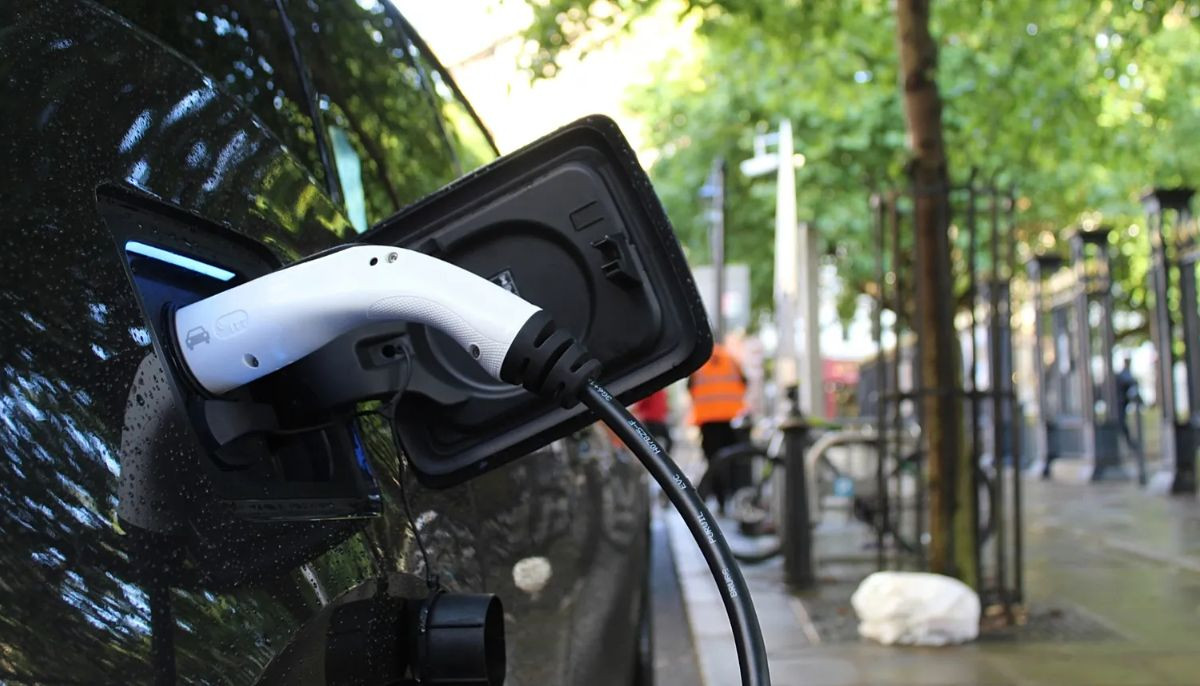
A surprising discovery has been unveiled: climate change has created a “catch-22” for the electric vehicle (EV) transition. However, recent revelations in battery technology suggest we could circumvent the impact of rising temperatures. While environmental concerns have spurred EV adoption in recent years, a major milestone was reached in late 2025.
According to data from the European Automobile Manufacturers Association (ACEA), sales of fully electric cars surpassed those of petrol-only vehicles in the EU for the first time in December 2025.
Regarding the current situation, one of the main factors driving the switch to an EV is their ability to cope with extreme weather.
Can EV batteries take the heat? How extreme summers test range and reliability?
The year 2025 was the third-hottest year both globally and in Europe, with average global temperatures reaching 1.5C above pre-industrial levels. Recent data reveals that this spike was linked to continued buildup of greenhouse gases and rising sea-surface temperatures. Notably, a new study from the University of Michigan found that recent improvements in EV battery technology are already outpacing the degradation caused by climate change.
Researchers found that in a scenario where the planet formed warmed by 2C, older batteries made between 2020 and 2018 would see their lifetime decline by up to 30 per cent. However, newer batteries are expected to be far more resilient.
The lead author of this study, Haochi Wu said: “Thanks to technological improvements, consumers should have more confidence in their EV batteries, even in a warmer future.”
Study findings published in the journal Nature, reveal that while researchers have a comprehensive understanding of the battery technology available in Europe and the US, results may be less certain for other global regions.
Conversely, sub-Saharan Africa may see different outcomes due to their unique vehicle fleets. Consequently, the study suggests that the broader findings may be overly optimistic for those specific regions.
While several regions are projected to face the most severe impacts of climate change, experts warn that global warming is further intensifying and climate variability in those areas.


-
 Ryan Reynolds reveals why his 50th birthday won’t be a big celebration
 -
 Porter Airlines flight cancelled after child refuses seatbelt, passenger defends family
 -
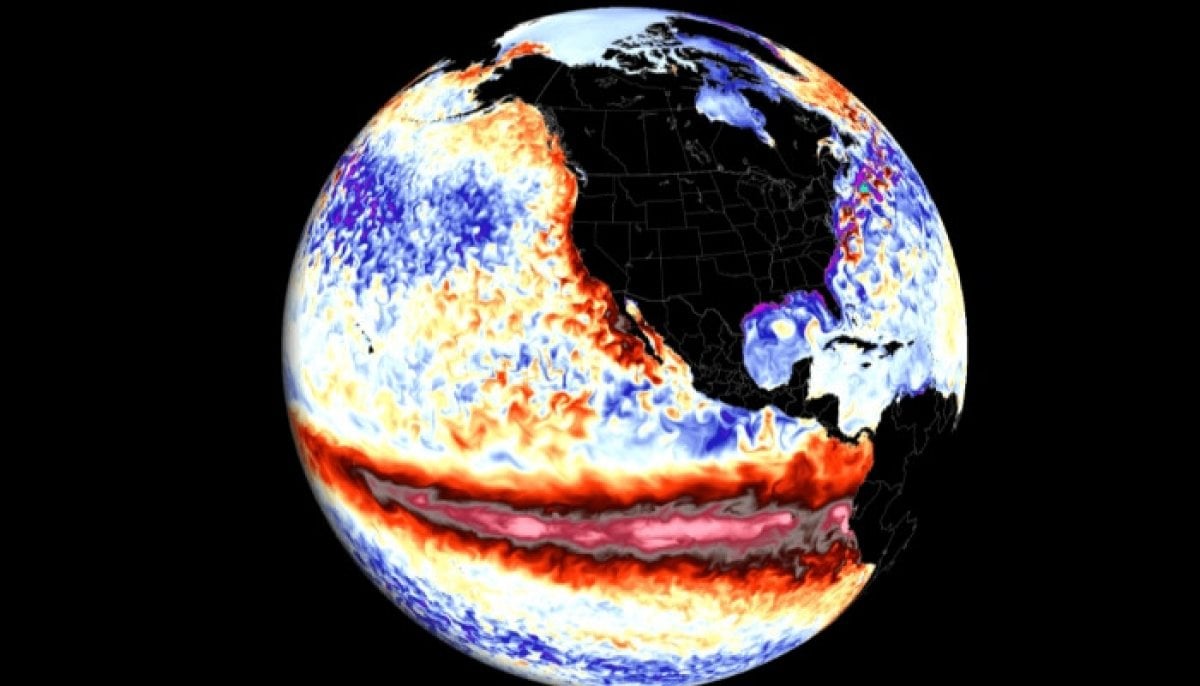 2027 will be be even hotter than than 2026, Super El Niño forecast shows, raising fears of global heat
 -
 Elsie Hewitt makes pointed claim about single motherhood after Pete Davidson split
 -
 Skies in Australia turn blood-red: Here’s what happened
 -
 Taylor Frankie Paul faces son custody blow amid Dakota Mortensen assault investigation
 -
 How Europe’s hair stylists are cutting carbon & boosting climate action
 -
 Lisa Rinna slams Andy Cohen for his below the belt move: 'So shady'
-
 Rihanna 38th birthday detail breaks the internet, featuring unexpected huge item
 -
Stephen Colletti urges he doesn't hate 'Laguna Beach' after choosing 'One Tree Hill'
-
Climate-driven wildfires scorch some of world’s oldest trees in Patagonia
-
Deep freeze returning to northeastern United States this weekend: 'Dangerous conditions'