AI toys for toddlers spark safety concerns
Early tests show young children struggle to communicate with AI-enabled toys during play
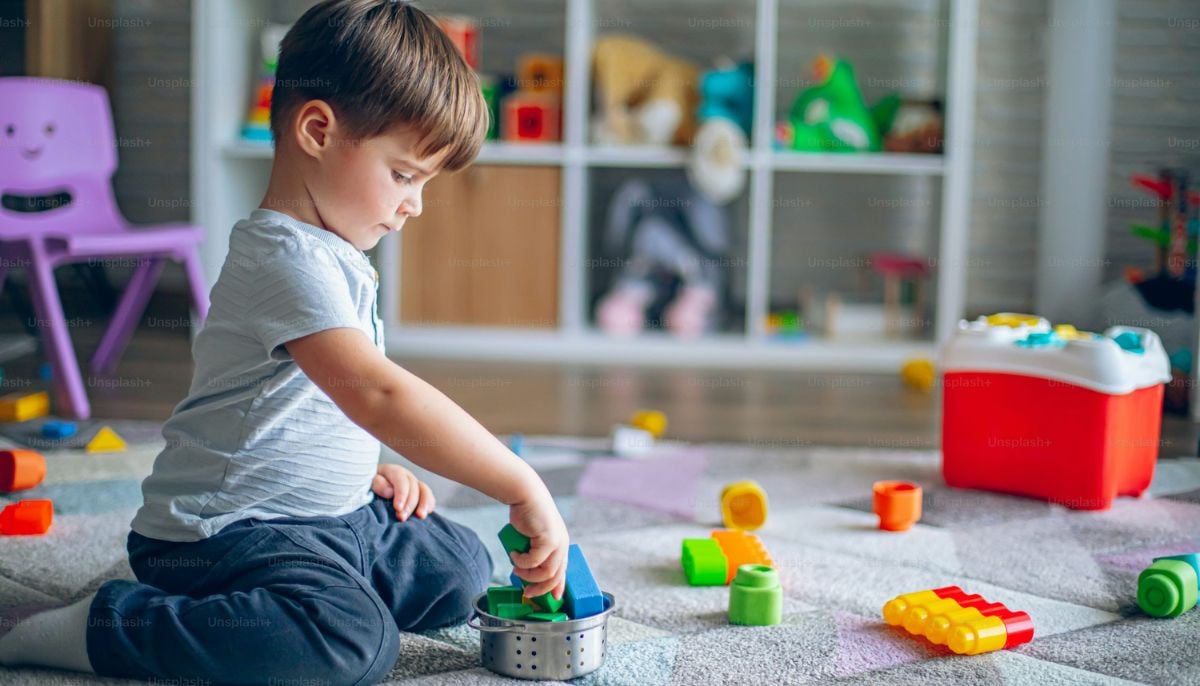
The University of Cambridge researchers are demanding stricter regulations for AI-powered toys because their research uncovered serious issues with toddler technology interaction.
The research, which was carried out over a year, involved children between the ages of three and five who played with an AI toy called Gabbo AI Toy. The study revealed that although the parents wanted their children to benefit from the toy in terms of learning, the children found it difficult to communicate with the toy.
The researchers tested Gabbo, which is a soft toy that has a voice-activated chatbot developed through OpenAI technology. The toy is designed to encourage conversation and imaginative play among preschoolers. The AI toy study showed that children experienced trouble using the system throughout their testing.
Gabbo frequently talked over them, failed to recognise interruptions and could not distinguish between adult and child voices. The toy also failed to identify interruptions. One child who was aged five said to the toy, “I love you,” but the toy responded in a robotic and confusing manner.
University of Cambridge Study Co-author Dr Emily Goldacre said the responses could be problematic for young children still learning social cues. She explained that AI-powered toys might “misread emotions or respond inappropriately", potentially leaving children without comfort or guidance when they express feelings.
The toy is produced by Curio, which said it recognises the responsibility of building AI toys for children. Curio told the BBC the company prioritises parental permission, transparency and control in its products and plans to study children’s interactions with AI further.
Joining the movement for safeguard protections, the Children's Commissioner Rachel de Souza stated that current AI tools used in preschool settings do not undergo the same rigorous safety evaluations as standard educational materials.
Researchers recommend that parents oversee their children when they use AI toys, which should remain in common areas. The researchers also recommend that parents should read privacy policies in detail before they permit their children to use the devices.


-
 Is Europe ready for rogue AI? EU chief Henna Virkkunen weighs in
 -
 FBI arrests another suspect linked to ShinyHunters case, Kash Patel says
 -
 China sharpens tech ambitions with new AI-focused economic guidelines
 -
 OpenAI, Anthropic prepare for public backlash after catastrophic AI event: Report
 -
 Amazon may know more about you than you think: Here’s how
 -
 Can you get banned for insulting Claude? Here’s what policy says
 -
 SpaceX vs. Telecom: Elon Musk's Starlink enters mobile market—What to know
 -
 OpenAI explains why it fired 3 researchers amid ‘suspicious’ exit claims