Key takeaways from China's new five-year plan for commodity markets
China unveiled its 15th five-year plan at its annual parliamentary meeting, outlining Beijing's priorities for the economy and sectors slated for policy support and funding
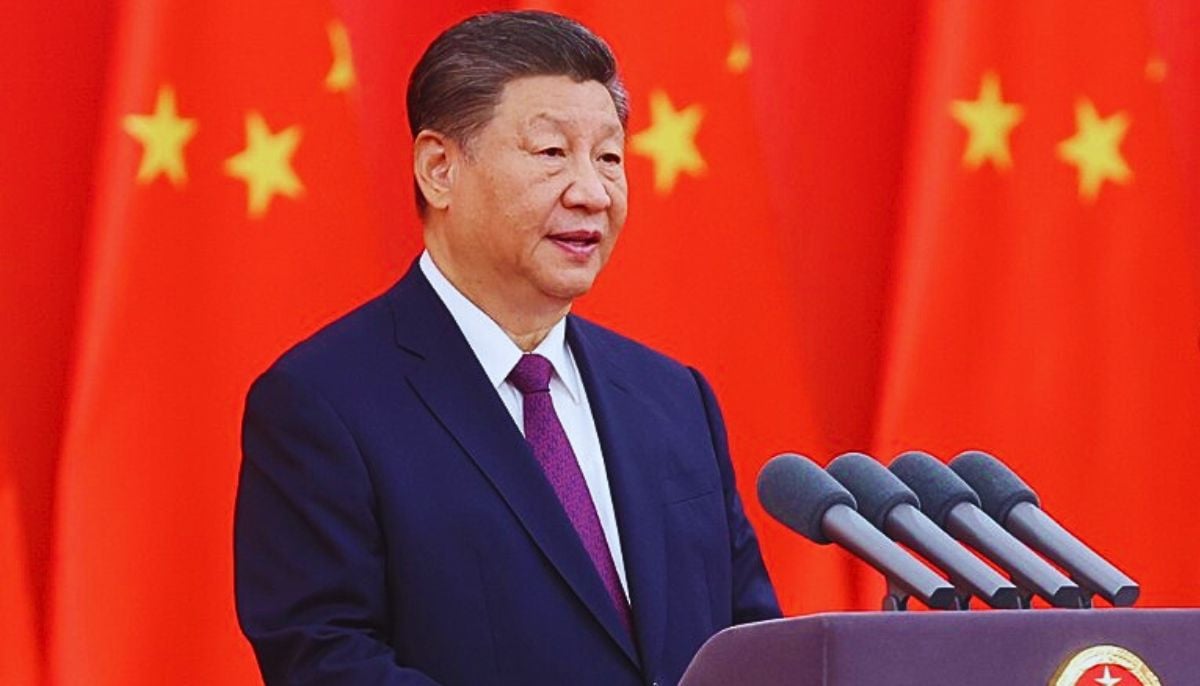
In a latest development, China has introduced its five-year economic plan.
The Chinese government on Thursday, March 5, unveiled its 15th five-year plan at its annual parliamentary meeting, outlining Beijing's priorities for the economy and sectors slated for policy support and funding.
Key takeaways from China's five-year plan for commodity markets:
Metals and Critical Minerals:
China singled out its competitive edge in rare earths for the first time in a five-year plan, pledging to maintain its lead and upgrade the industry.
Beijing also said it would improve its export control system, which has caused shortages of critical minerals overseas.
For metals more broadly, China's push to expand clean energy may boost copper and aluminum demand via the massive grid build-out, some of which has already been flagged.
China is heavily reliant on imports like copper and iron ore, and Beijing said it would push for more domestic exploration and mining, although it gave no examples.
Overcapacity:
China again vowed to tackle overcapacity in heavy industries like steel, petrochemicals, and copper smelting, although it stopped short of setting goals or calling for cuts to output.
However, Beijing did set targets for energy savings to help accelerate restructuring in these carbon-intensive industries.
Climate, Power, and Coal:
China will aim to cut carbon intensity, or how much carbon is released in economic activity, by 17%, slightly below the 18% target set the previous year.
Actual carbon intensity only fell 12% over the last five years. By focusing only on carbon intensity, emissions can still increase as growth does.
China will push for coal consumption to peak in the next five years but has omitted previous language about phasing down coal—leaving open the possibility that coal consumption may merely plateau rather than decline.
It did, however, set a target of 25% of all energy consumed to be generated by non-fossil energy by 2030.
Oil and Gas:
China will prioritize steady domestic oil output at 200 million tons annually but keep growing gas production and its strategic oil stockpiles.
China also said it would advance "early work" on the Power of Siberia 2 gas pipeline, which Moscow has presented as all but agreed, but has been long delayed by disagreements over price.
It would also continue to expand the dirty coal-to-liquids sector, where coal is turned into oil, gas, and petrochemicals.
Agriculture:
China aims to raise its annual grain production target to 725 million metric tons by 2030 and said it would lean on new technology and higher yields to reach it as new farmland gets scarce.
It again emphasized the push for secure overseas supplies for the vast quantity of foodstuffs it still imports.
Additionally, China said it would regulate overcapacity in the hog industry and support the dairy and beef sectors, both of which have recently been put behind tariff walls.


-
 Pentagon to adopt Palantir AI as core US military system after dispute with Anthropic
 -
 Elon Musk found liable in fraud lawsuit by Twitter shareholders over $44 billion deal
 -
 US allows 30-Day sale of Iran Oil in bid to curb rising global energy prices
 -
 Pinterest considers social media restrictions for under-16s following Australia’s ban over child safety concerns
-
 New Covid variant BA.3.2 spreads across US as experts stress vigilance
 -
 Savannah Guthrie receives secret message as search for Nancy continues
 -
 Daylight saving ends in Australia: When clocks go back in April 2026
 -
 China develops AI VF tools to raise birth rates
 -
 Vanessa Trump sparks fans reactions as she rejects rumours of rift with Tiger Woods
 -
 Tragedy at Peru football derby: One dead, 47 injured in rally at Alejandro Villanueva Stadium
 -
 Where Vanessa Trump stands with Tiger Woods amid DUI drama
 -
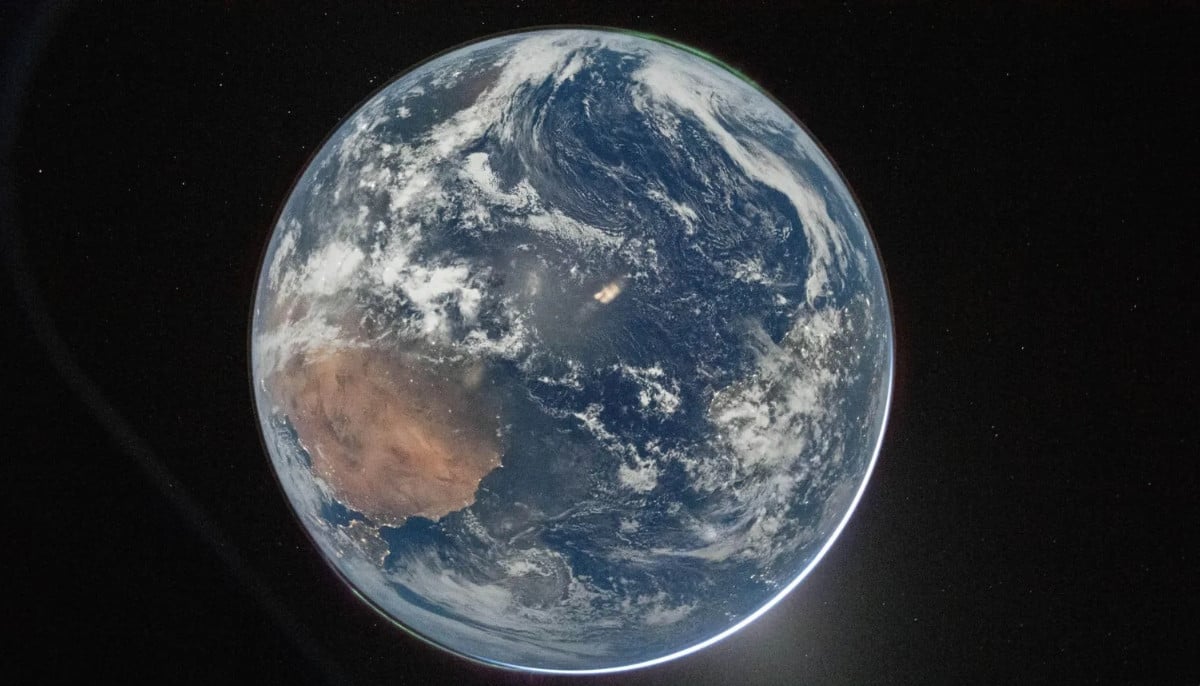 NASA Artemis II moon mission captures stunning Earth images during historic lunar journey
-
 Canadian citizenship new eligibility rules explained: who qualifies and what has changed
 -
A10 Warthog hit as US jet downed in Iran, one crew rescued and search underway for second
-
Meningococcal disease, dangerous bacterial infection, hits decade high in Canada
-
Sam Altman's OpenAI buys TBPN to expand communication strategy and shape AI public debate