Alarming: New research suggests global sea levels have been underestimated due to flawed modelling
A new analysis report shows that average sea levels are 30 cm higher than previously thought and up to 150 cm higher in parts of Southeast Asia and the Indo-Pacific
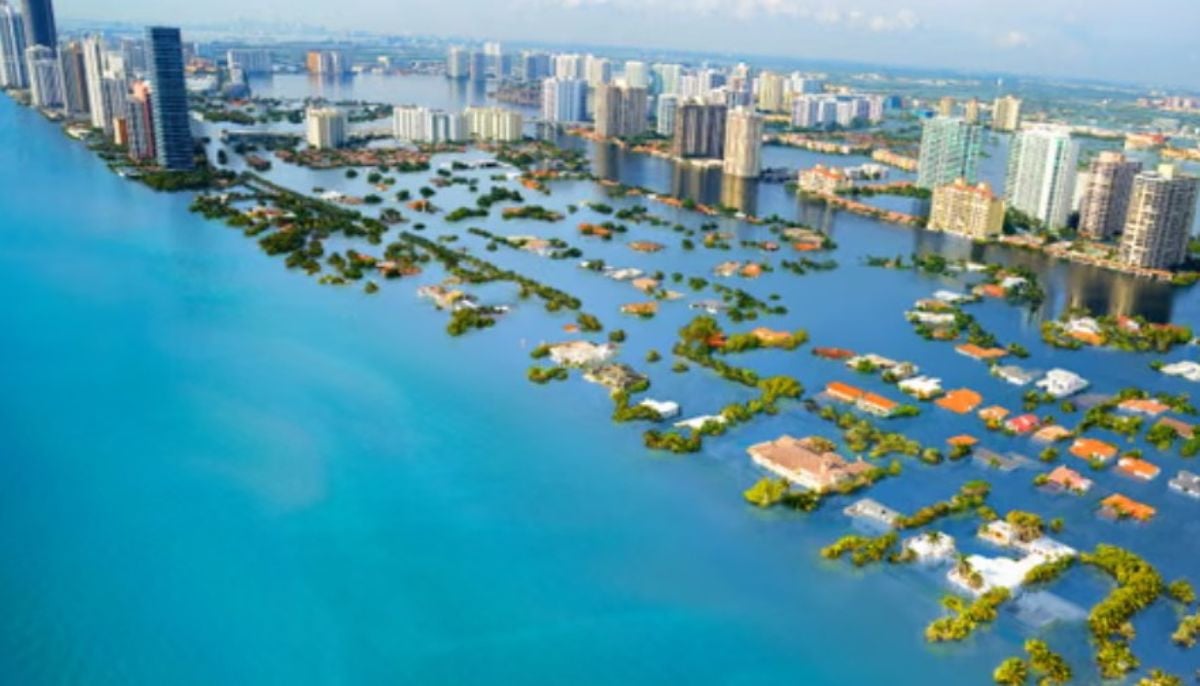
Sea levels around the world have been underestimated due to inaccurate modeling, with research suggesting ocean levels are far higher than previously understood.
The latest finding could significantly affect assessments of the future impacts of global heating and the effects on coastal settlements.
Globally, the research found ocean levels are an average of 30cm higher than previously believed, but in some areas of the global south, including south-east Asia and the Indo-Pacific, they may be 100-150cm higher than previously thought.
Marine scientists informed that rising sea levels are a major threat to coastal communities across the world, and the UN Intergovernmental Panel on Climate Change (IPCC) estimates that by 2100 levels may rise by 28-100 cm.
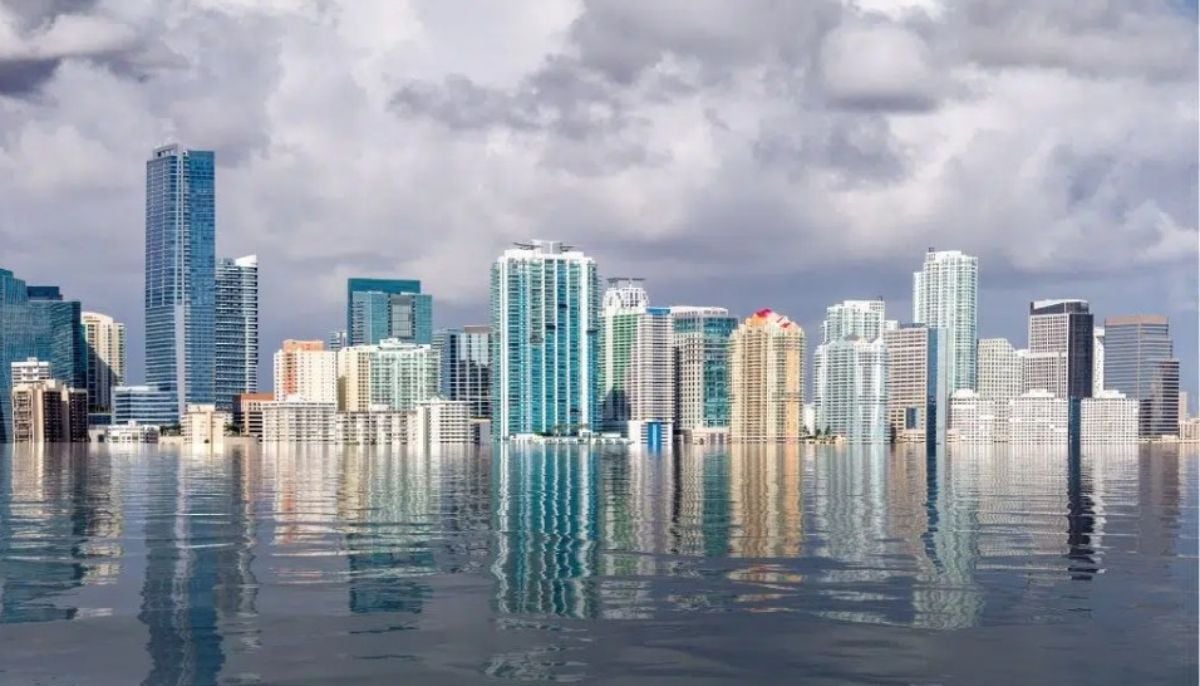
The latest research, published in the journal Nature, combined the analysis of 385 pieces of peer-reviewed scientific literature released between 2009 and 2025 with calculations of the difference between the commonly assumed and actual measured coastal sea levels.
New findings about sea levels:
According to authors Dr. Philip Minderhoud from Wageningen University, Netherlands and PhD researcher Katharina Seeger, they discovered that more than 90% of these studies did not use local, direct measurements.
While geoid models provide an estimate of global sea levels based on the Earth’s gravity and rotation.
As a consequence, sea levels were undervalued by an average of 24-27 cm, depending on the geoid model used, with some discrepancies as much as 550-760 cm.
The new calculations reveal that following a relative sea level rise of 1 meter, it is estimated that 37% more coastal areas will fall below sea level, affecting up to 132 million individuals.
Minderhoud said, "In reality, sea level is influenced by additional factors such as winds, ocean currents, seawater temperature, and salinity.”


-
 France closes metro stations, tourist sites as 70,000 police prepare for mass protests
 -
 SpaceX restores high-speed Starlink connections above 400 km/h in Ukraine
 -
 Russia and Ukraine agree to ceasefire, plan November peace talks: What we know so far
 -
 Donald Trump lashes out on 'horrible' reporter, defends viral campaign ad
 -
 Kim Jong Un’s China visit puts North Korea-China ties in focus
 -
 Trump announces new 50 percent tariffs on Canadian goods as Maine Senate race heats up
 -
 Barack Obama joins Sherrod Brown and Abdul El-Sayed in crucial Senate election battles
 -
 Trump demands Rep. Ilhan Omar resign after DOJ court filing references over 'fake' name
-
 Carney rejects Trump administration’s accusation of Canada interfering in US midterm elections
 -
Ukraine, Russia and US set to hold key talks in Abu Dhabi in early November
-
Australia lawmaker Hannah Beazley’s staff threatened days after Helen Haines attack
-
New York AG Letitia James challenges attempt to disqualify her from Cornell investigation