US, UK split on crypto collaboration: Can Bitcoin help secure a new deal?
The US-UK disagreement over crypto collaboration centers on how to pilot blockchain-based securities within a joint regulatory framework
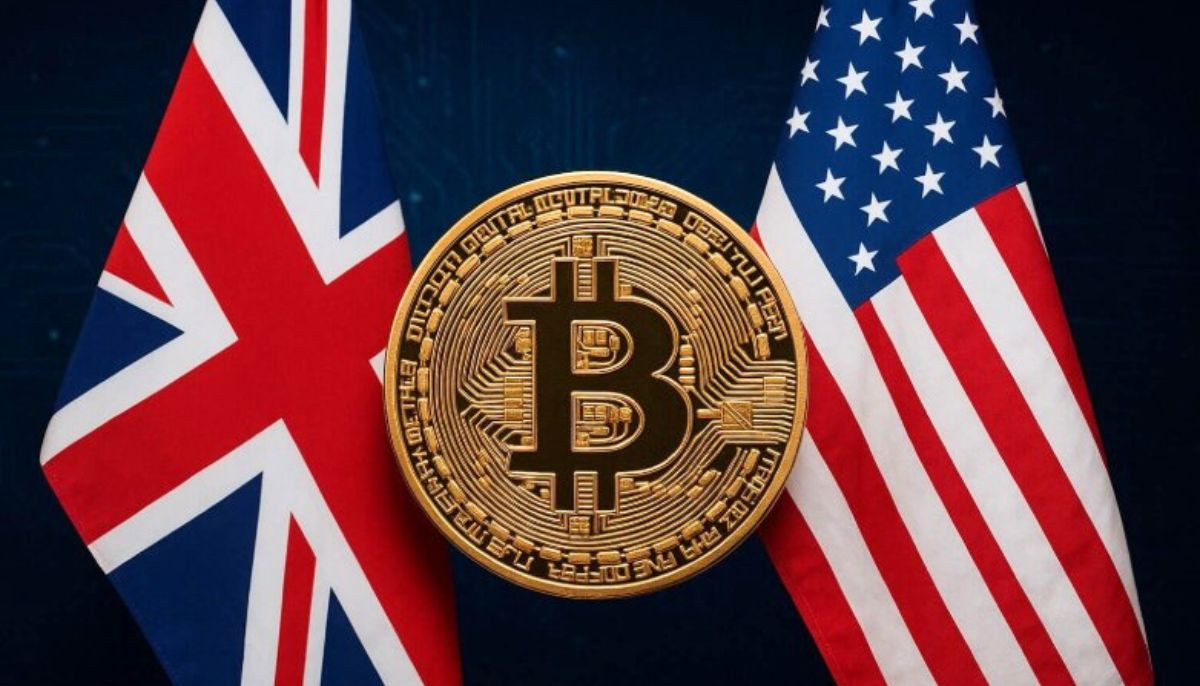
The Bitcoin battle turns on between the two powerful countries around the globe, the UK and the U.S.
British and U.S. regulators are divided over how to test blockchain-based versions of financial securities, with Britain pushing for a more cautious approach in talks aimed at boosting crypto collaboration, sources said.
The U.S. and Britain announced in September that a task force for reducing regulation for companies seeking to access each other’s markets and to improve digital asset cooperation.
Reason behind the US-UK crypto split:
The split shows how financial regulators globally have to contend with a pro-crypto U.S. under President Donald Trump.
The U.S. has eased crypto regulation and encouraged cryptocurrency adoption, while Britain also wants to expand its digital assets industry, but some UK regulators, such as the Bank of England, are cautious about moving too quickly.
The U.S. and Britain are already in broad agreement on the taskforce's aims, including working towards closer alignment of rules for stable coins, digital assets backed by actual currencies.
But Britain's preference for testing joint work on tokenized securities—blockchain-based versions of financial assets such as stocks or bonds—via a so-called "sandbox" emerged as an obstacle when the regulators met earlier this year, two sources who attended the discussions said.
Regulatory sandboxes are used by Britain's financial watchdog to test innovative financial products in a controlled environment.
A U.S. Securities and Exchange Commission representative at the meeting in January this year expressed concern about using a sandbox, citing doubts about the commercial viability for participants and its potential impact on innovation, the two sources, who attended the January meeting of the Transatlantic Taskforce for Markets of the Future, said.
The SEC is weighing a different approach to tokenization, known as "exemptive relief," which has the backing of the U.S. crypto industry, the sources said, asking for anonymity because the talks were private.
The SEC told Reuters it would continue working with the UK "to build consensus and harmonize rules for international market participants," adding there was "significant opportunity to align our frameworks to support the future of finance."
The BoE and UK finance ministry declined to comment, and the U.S. Treasury did not respond to a request for comment.
The FCA said sandboxes can be valuable as the two countries develop capital markets and payments systems while "maintaining trust and integrity."
Regulatory sandboxes give firms "space to test new ideas in a live but controlled environment and help us understand emerging risks and opportunities," the FCA said.
Tokenization's supporters say it can be more efficient and cheaper, but regulators say tokenized stocks create new risks for investors and could harm market integrity.
Both sides of the task force also want to agree on reciprocity so that companies regulated in one market will be able to transact in tokenized stocks in the other with limited additional checks, the two sources said.
Additionally, the task force will report its recommendations by summer, 2026.


-
 China, EU pledge to stabilize bilateral trade ties and balance economic relations
 -
 Germany’s Nuremberg airport briefly shut down after mid-air communication malfunction
 -
 El Niño fuels Indonesia wildfires, destroying nearly 300 homes in Sumatra
 -
 Poilievre heads to Michigan to demand end to US tariffs on Canadian vehicles
 -
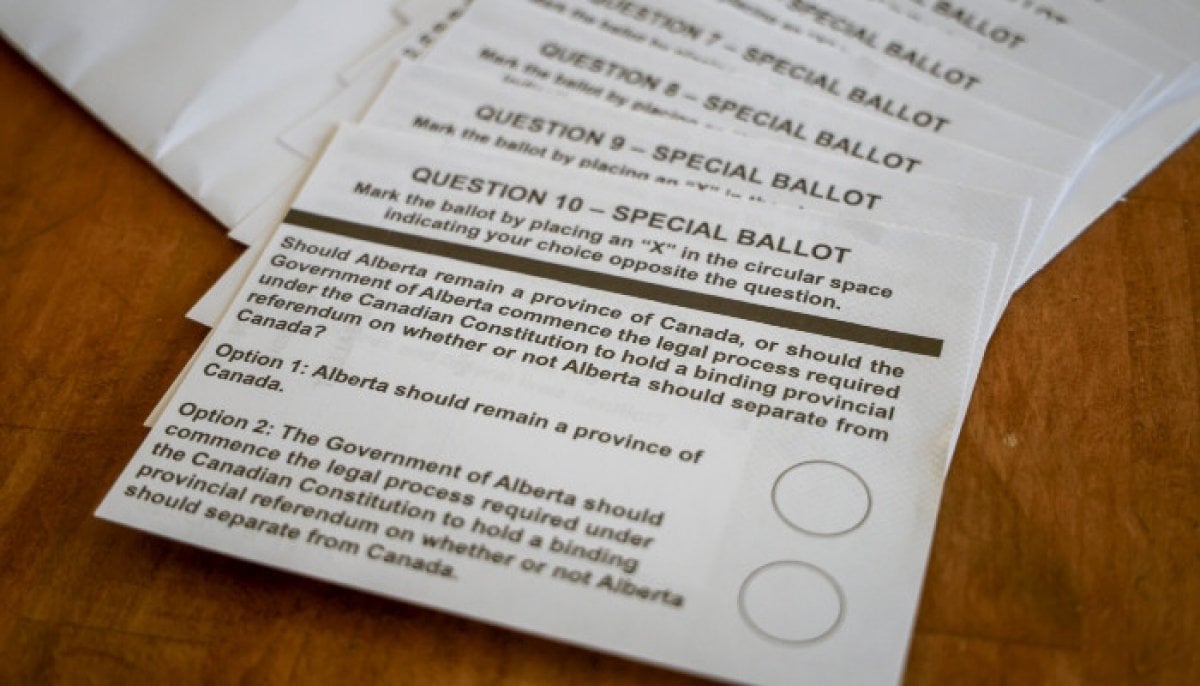 Will Alberta leave Canada? Advance voting opens in historic separation referendum
 -
 False hijack alert sends German fighter jets scrambling
 -
 Nigel Farage defends ‘lethal force’ policy for English Channel migrants amid backlash
 -
 Supreme Court agrees to hear DOGE transparency lawsuit involving Elon Musk, Trump
-
 Greta Thunberg joins French students as nationwide protests enter third week
 -
Kimberly Guilfoyle asked to resign as US ambassador to Greece, White House says
-
Ursula von der Leyen calls for stricter migration measures ahead of EU leaders' summit
-
Six Flags loses $170mn in market value after after man dies in roller coaster tragedy