Australia, Indonesia sign new security pact to strengthen ties
The agreement aims to boost defense cooperation as both countries seek closer regional coordination
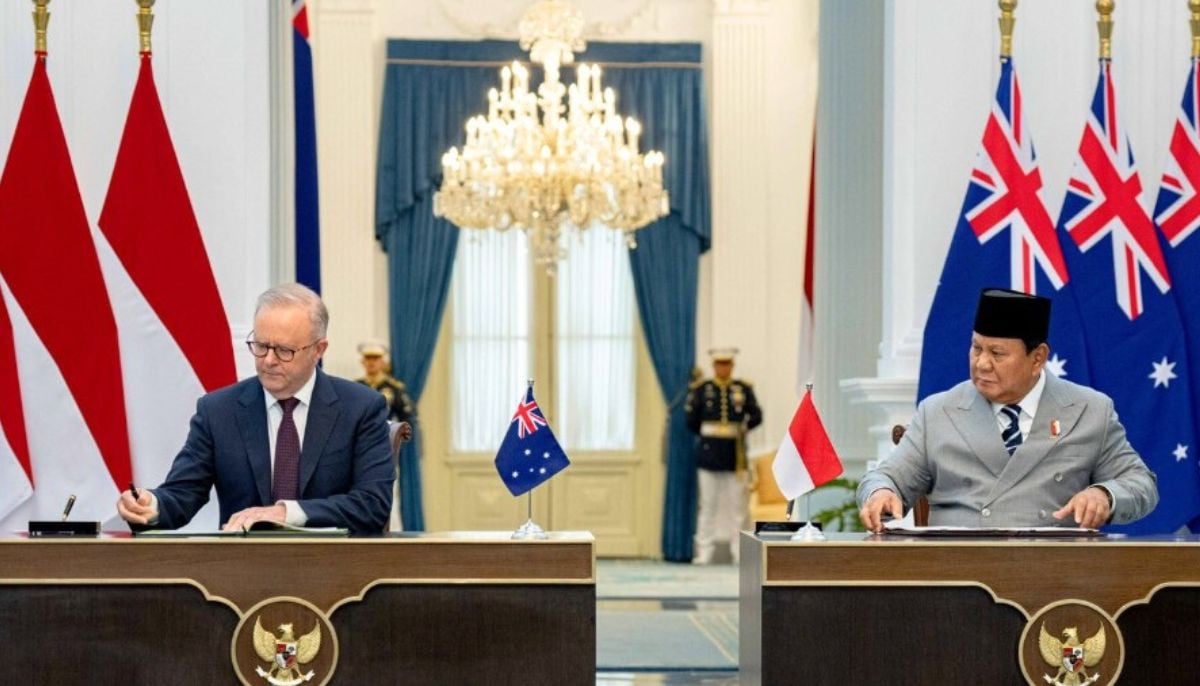
Indonesia and Australia signed a security treaty on Friday, February 6, 2026, that commits them to consult each other if either country is threatened, President Prabowo Subianto said after a meeting with Australian Prime Minister Anthony Albanese in Jakarta.
The full details of the pact have not yet been disclosed, but it has been reported that it was first announced in November when Prabowo visited Australia.
Core motive behind Indonesia-Australia's new treaty:
"The treaty is a significant extension of our existing security and defense cooperation. It demonstrates the strength of our partnership and depth of our trust and cooperation," Albanese said on Friday, adding, "This agreement signals that Australia and Indonesia's relationship is stronger than it has ever been."
Prabowo said the deal reflects the relationship between the two countries.
"To Indonesia, this reflects our full commitment to the good neighbor principles and our free and active foreign policy," said Prabowo.
"Indonesia and Australia are destined to live side by side, and we chose to build that relationship on the foundations of trust and good intentions."
Why it matter?
Indonesia has a non-aligned foreign policy, pledging friendship with any country without joining any formal military bloc.
Albanese has cast the agreement as a “watershed moment” in relations with its major closest neighbor, saying in a statement ahead of his arrival in Jakarta late Thursday that it marks a major extension of existing security and defense cooperation and reflects a relationship “as strong as it has ever been.”
He is traveling with Foreign Minister Penny Wong, who called it the most important step in the partnership in three decades.
Analysts said the treaty is becoming increasingly important to Australia in the face of growing tensions with China in the region.
However, it is expected to echo elements of a 1995 security agreement inked between then-Prime Minister Paul Keating and Indonesia’s former authoritarian President Suharto—Prabowo’s former father-in-law.
That agreement committed both nations to consult on security issues and respond to adverse challenges but was terminated by Indonesia four years later following Australia’s decision to lead a peacekeeping mission into East Timor.
Moreover, the two countries improved their security relationship over the next decade by signing a new treaty in 2006, known as the Lombok Treaty, which they expanded on in 2014.
'Symbolic agreement:'
Susannah Patton from the Lowy Institute, a Sydney-based international policy think tank, said the agreement, whose text has not been published, is largely about the political commitment to consult.
She described it as a “symbolic agreement,” noting the 2024 defense cooperation accord was more focused on practical military collaboration.
Patton said the new treaty sits below Australia’s alliance with the United States and the security agreement signed with Papua New Guinea in terms of obligations. She did not expect to find clarity in the agreement on whether Indonesia would come to Australia’s defense in the event of a security threat in the region.
“So it’s very much not a mutual defense treaty because I think that would not be politically acceptable to Indonesia as a non-aligned country,” Patton said.
Despite that, she praised the agreement as a huge success for Albanese, because not many people would have predicted this kind of agreement would be possible with Indonesia as a non-aligned country with “a very big difference between the way that Australia and Indonesia see the world.”
She said that Australia has very much taken advantage of the fact that the Southeast Asia country is now under Prabowo, a president who is really much more willing to break with Indonesian foreign policy tradition and to strike leader-led agreements.
The treaty signed on Friday was modeled after a 1995 security agreement between the two countries, Australia's Foreign Minister Penny Wong has said.
Additionally, the 1995 deal was withdrawn in 1999 after Australia led a United Nations peacekeeping force in East Timor, which had plunged into violence as it sought independence from Indonesia.


-
 Russia issues fresh pneumonic plague update after lab worker’s death
 -
 US high-stakes midterm battles begin as Ohio officially opens early voting
 -
 Save over $100 per fill' ;Trump signs executive order for tax-free diesel in Nebraska
 -
 Francis Halzen wins 2026 Nobel Prize in Physics for IceCube neutrino discovery
 -
 Burnham weighs delaying defence spending plan amid NATO pressure
 -
 South Korea orders emergency probe after AI-powered cyberattacks target major banks
 -
 Pakistan, Turkiye, Saudi Arabia activate Makkah pact's defense commitments
 -
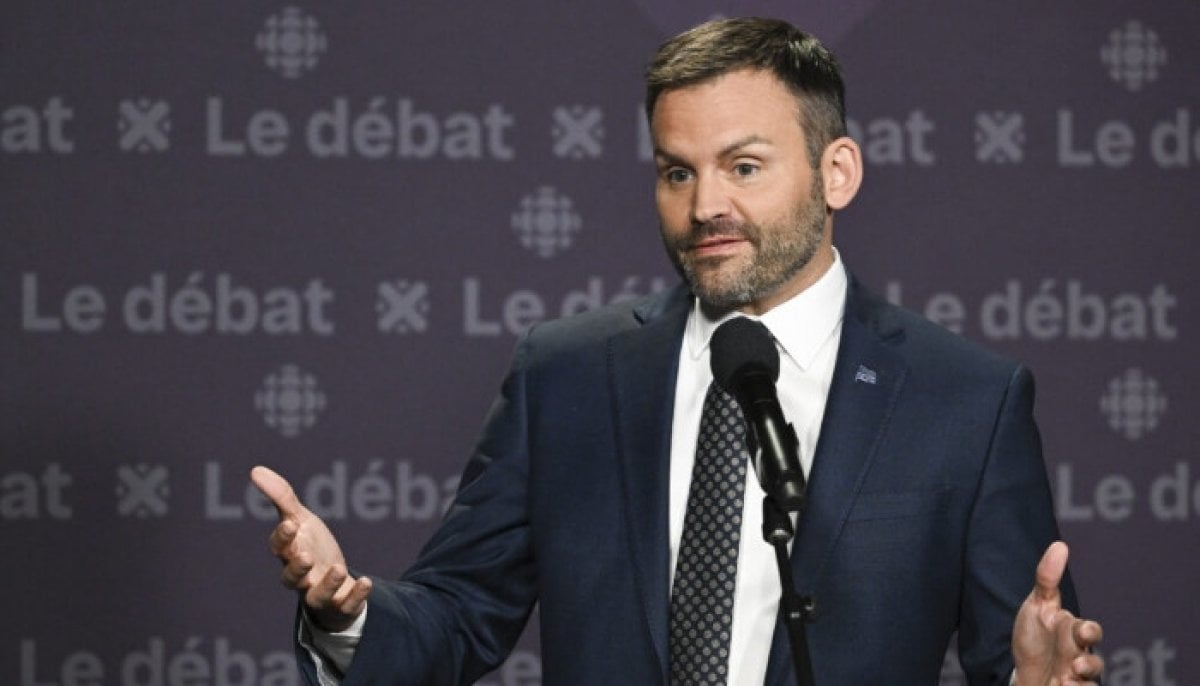 Quebec voters could bring back separatist Parti Québécois to power
-
 Toronto Pearson gold heist trial begins more than 3 years after $20mn theft
 -
France school protests: 15-year-old loses hand after picking up police grenade
-
Cornell police sought phone evidence that lawyer says never reached prosecutors
-
Warnings over Christa Pike’s veins were raised before failed execution, lawyer says