Trump’s tariff threats: A new ‘bargaining chip’ in geoeconomic strategy
Since 2026, the global trade landscape remains in a state of tumult driven by tariff threats
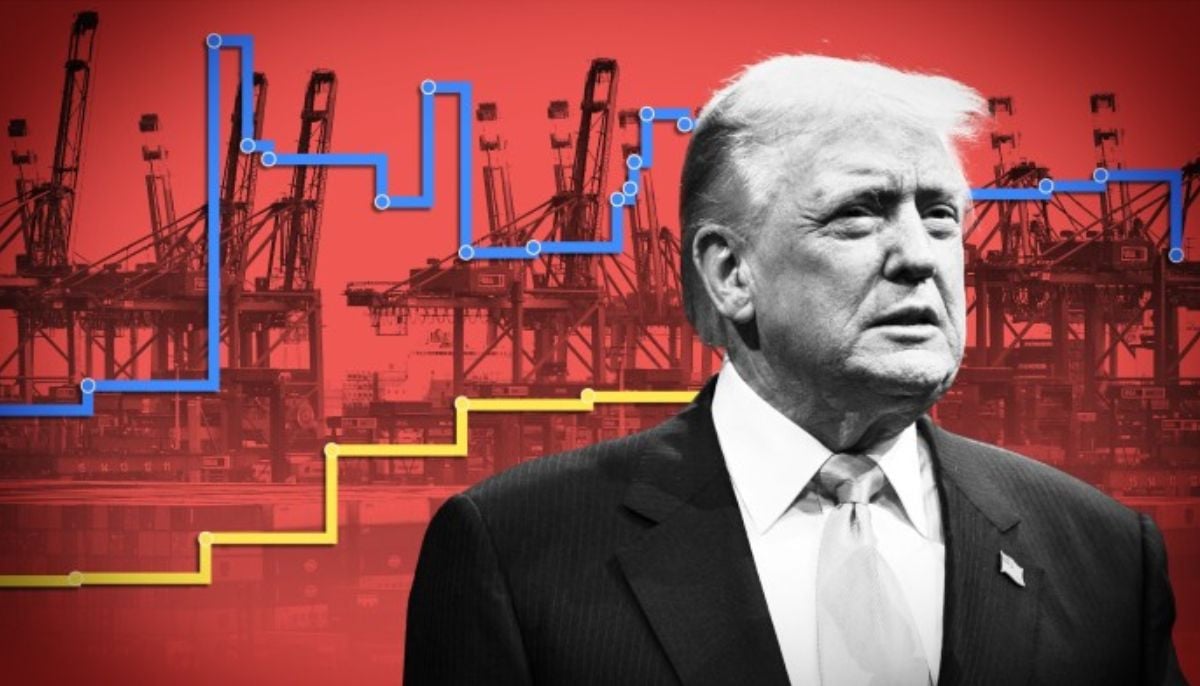
The world has entered an era marked by coercive geopolitics, weaponized world economy, and global protectionism. Since the beginning of 2026, the global trade landscape remains in a state of tumult driven by the Trump administration’s aggressive tariff-related rhetoric.
Tariffs, what started as an economic policy to protect domestic industries, now used as “carrots and sticks” in international diplomacy.
The US President Donald Trump has continued to hurl tariff threats as a “bargaining chip” or “coercive tool” in shaping broader strategic negotiations. These warnings underscores how economic pressure is being used to shape political outcomes on the global stage.
Greenland remains the most striking casualty in the ongoing wave of tariff disputes. Donald Trump threatened to impose 10 to 25 percent of tariffs on eight European member states, including the UK in a bid to pressurize Denmark into selling strategically important Arctic territory to the US.
In response to this coercive approach, the EU decided to invoke “trade bazooka”, pushing the countries to the brink of another trade war.
Canada has also been the victim of tariff threats as the US President threatened to impose 100 percent on the country if it strikes a trade deal with China on EVs and canola oil.
Experts see this threat as “maximalist leverage”, aiming to achieve gains in the US-Mexico-Canada Agreement Review set for July 1, 2026.
At the World Economic Forum in Davos, Canadian Prime Minister Mark Carney criticized the use of “tariffs as weapons” and suggested the “rules-based international order is ruptured” due to the US actions.
Similarly, Trump also used the tariff threat as a weapon to achieve validation of his newly-launched “Board of Peace” as a global body whose role will be extended beyond the Gaza conflict.
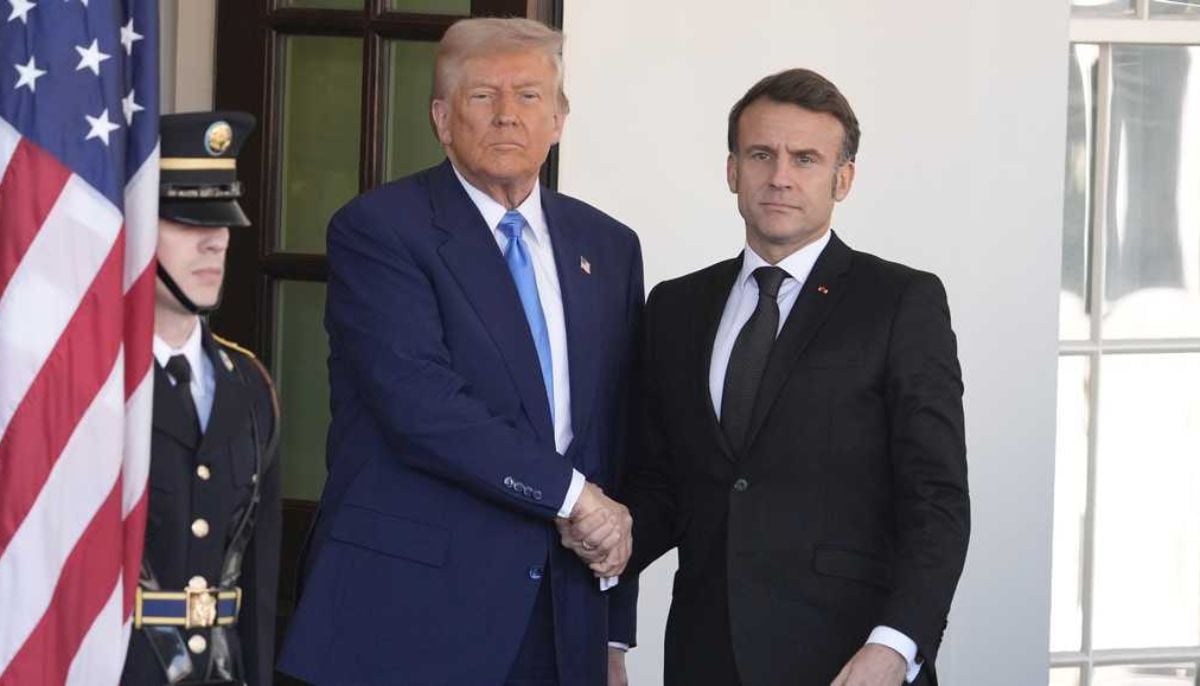
As France declined the invitation to join the Board of Peace, Trump threatened to slap French wines and champagnes with 200% tariffs.
Moreover, tariffs have also been used as a “snapback penalty” and a negotiating leverage. Recently, the Trump administration has announced plans to raise 25 percent tariffs on South Korean imports , pressuring the Seoul government to “live up” to a trade deal reached last year.
On Thursday, Donald Trump signed an executive order to impose tariffs on goods from countries that provide oil to Cuba. The order is meant to increase Trump’s pressure to bring political transition and to sever Cuba's ties with hostile nations and groups, such as Russia, Hamas and Hezbollah.
Trump said “the policies, practices, and actions of the Government of Cuba constitute an unusual and extraordinary threat” and accused Havana of harbouring “dangerous adversaries of the United States.”
Trump has also warned Cuba to “make a deal, before it is too late,” without specifying demands.



-
 China tightens rules on digital humans and addictive kids’ content: Here’s why
 -
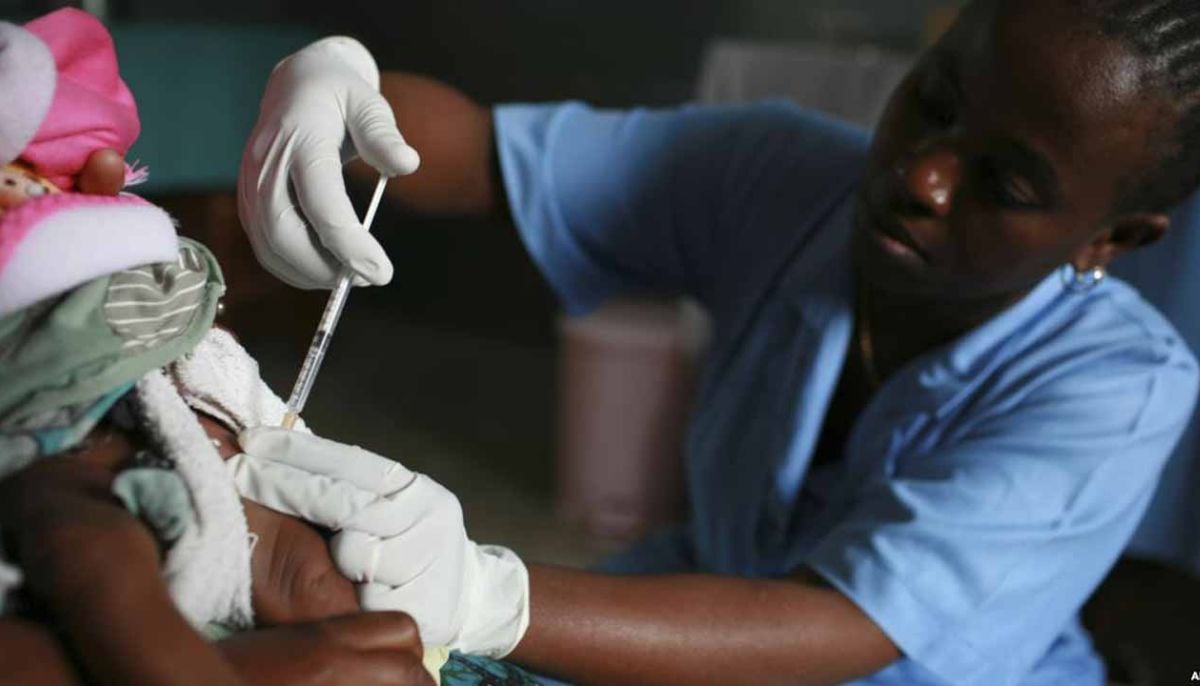 US disrupts global malaria and HIV supply chains, sparking health crisis fears
 -
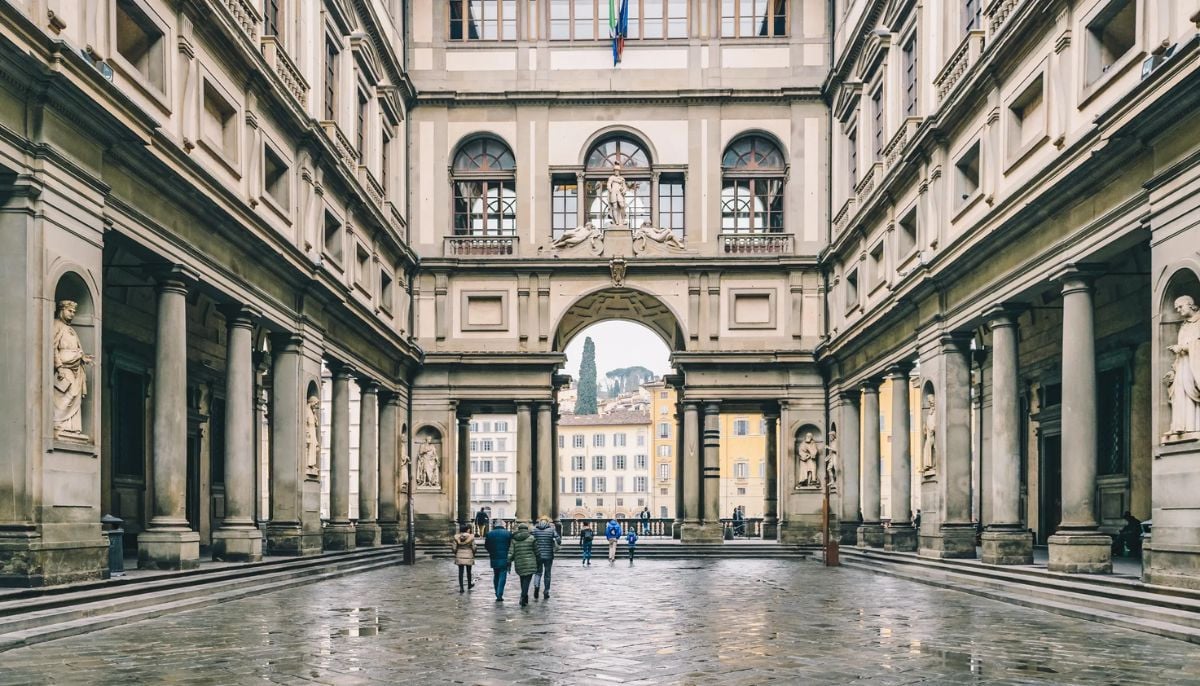 Uffizi galleries hit by cyberattack, valuables moved to bank
 -
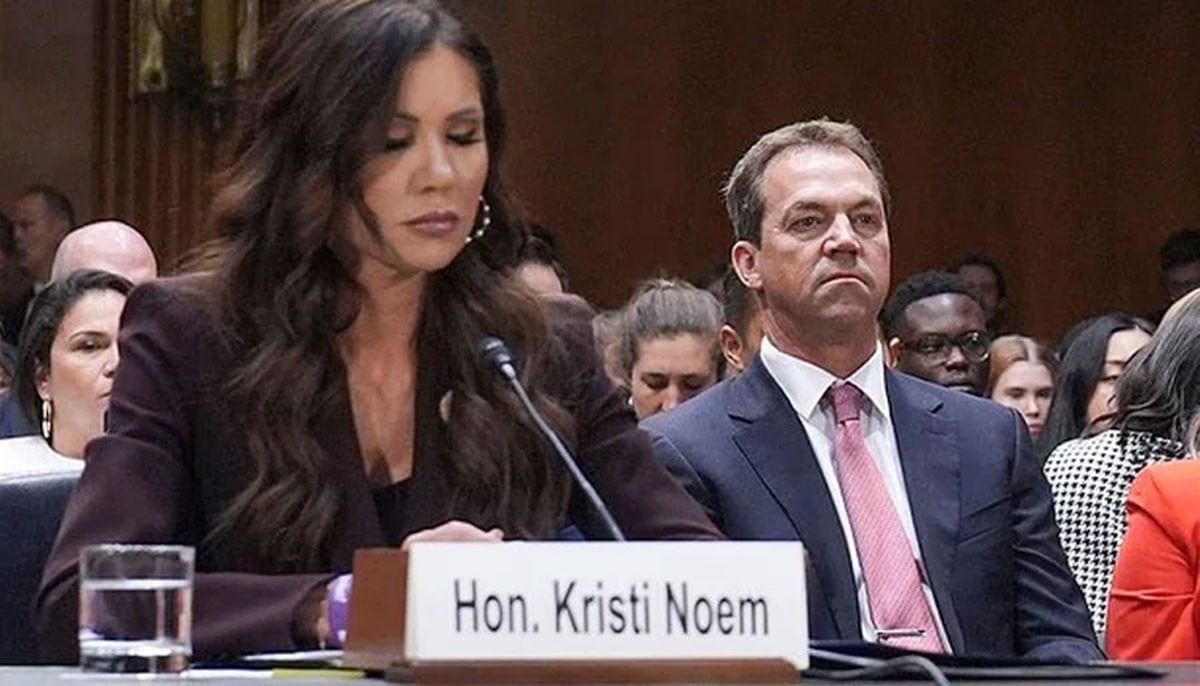 Was Kristi Noem really 'blindsided' about her husband crossdressing life? Insiders tell all
 -
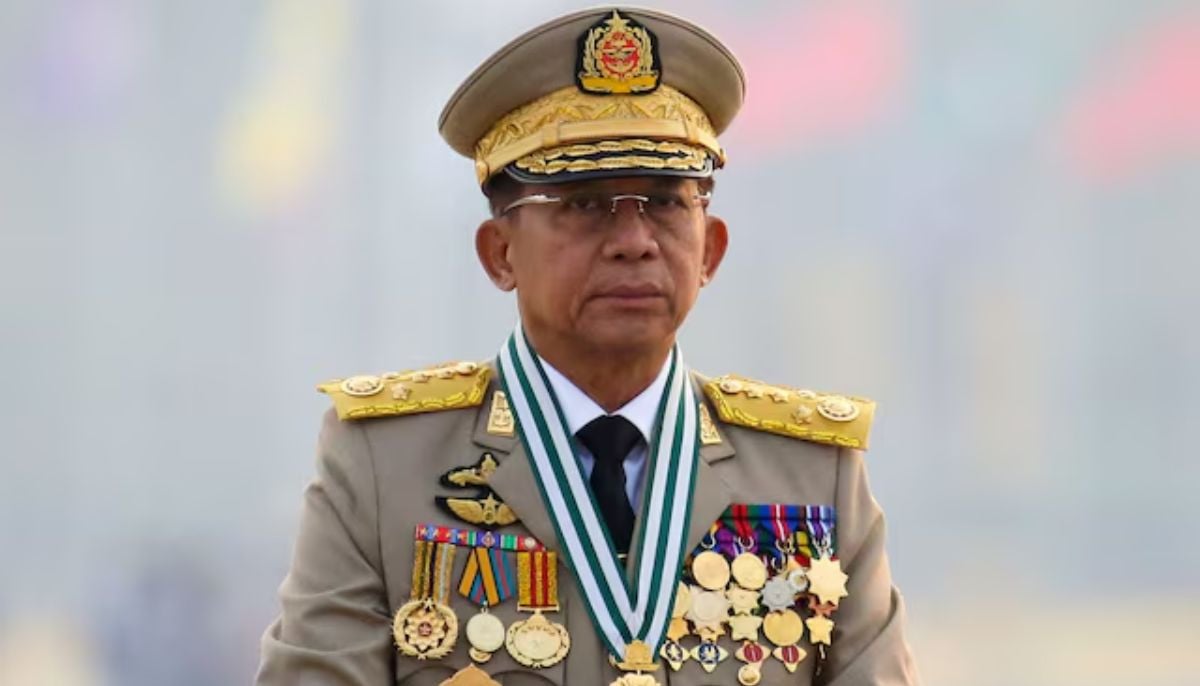 From coup to presidency: Myanmar junta leader tightens grip on power
 -
 Justice Department shake-up: Pam Bondi ousted as attorney general despite close ties to Trump
 -
 Markwayne Mullin updates DHS rules, pauses migrant flights as Republicans call for stronger action
 -
 Calgary weather: snow brings dozens of crashes during second spring storm