Japan: Heavy snowstorms threaten voter turnout ahead of midwinter election
Japan could face more heavy snowstorms later this week
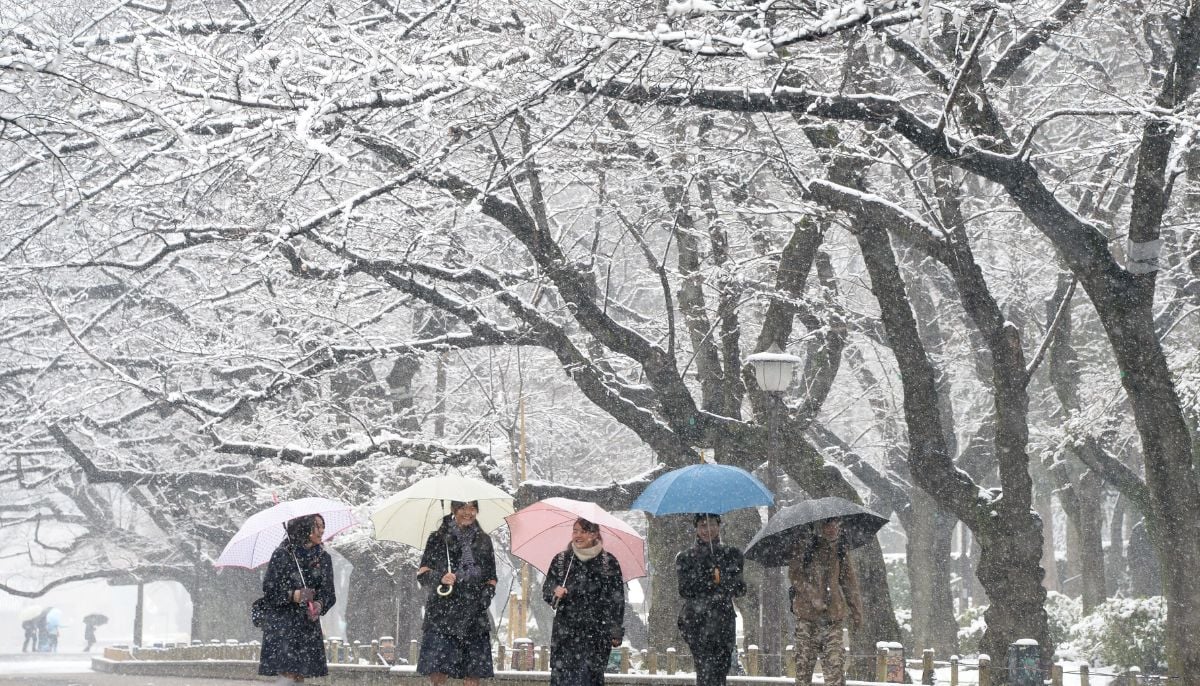
Japan is currently facing a dual challenge of severe winter weather and a high-stakes political transition. With heavy snowstorms forecast for northern and western parts, the country’s first winter election in 36 years faced an increased risk of lower voter turnout.
The Meteorological Agency has announced that heavy snowfalls of up to 70 centimetres is expected in the Hokuriku region, while 60 centimetres are forecast for the south-central Kinki region along the Sea of Japan through Friday.
As reported by Reuters, the agency has advised residents to take necessary precautions against traffic disruptions and the increased risk of avalanches.
Conversely, heavy snowfall last week left thousands of people stranded at Hokkaido’s main airport overnight after dozens of flights were grounded.
Japan is set to host the lower house election on February 8 as heavy snowfall blanketing northern Japan could depress voter turnout and obstruct the campaign particularly in rural areas.
According to a preliminary survey conducted by the Nikkei newspaper on Thursday, Prime Minister Sanae Takaichi’s Liberal Democratic Party is expected to increase its seats and gain a majority in the lower house.
Additionally, if the heavy snow persists on election day, the result may be determined less by policy and more by which party has the most motivated supporters.


-
 Jennifer Lawrence joins Instagram but can't get her first-choice username: Here's why
 -
 Prince William, who can't stand Andrew, hugs Queen with links to Epstein
 -
 Zelensky unharmed after drone ‘nearly struck’ plane en route to Norway
 -
 Apple launches Watch Series 11 and Ultra 4 with heart rate readings every five seconds
-
Zelensky unharmed after drone ‘nearly struck’ plane en route to Norway
-
 Elon Musk rages over four-hour documentary focused on his life
 -
 Ed Miliband clashes with chief rabbi over UK sanctions on Israeli settlements
 -
 New black box data raises questions over Amazon plane crash that killed five
 -
 Nearly 2,000 UK flights cancelled after major air traffic control outage
 -
 Germany’s Merz accuses AfD of racist mass deportation plan, and cancels Trump call
 -
 France to reduce corporate tax surcharge, ease employee buyouts in 2027 budget
 -
 Philippine Airlines flight to Vancouver diverted to Alaska over safety concern