US-Japan tech deal: Scaling synthetic diamond production for chips, high-precision manufacturing
The new collaboration represents a strategic push into synthetic diamond production as part of a massive joint investment plan
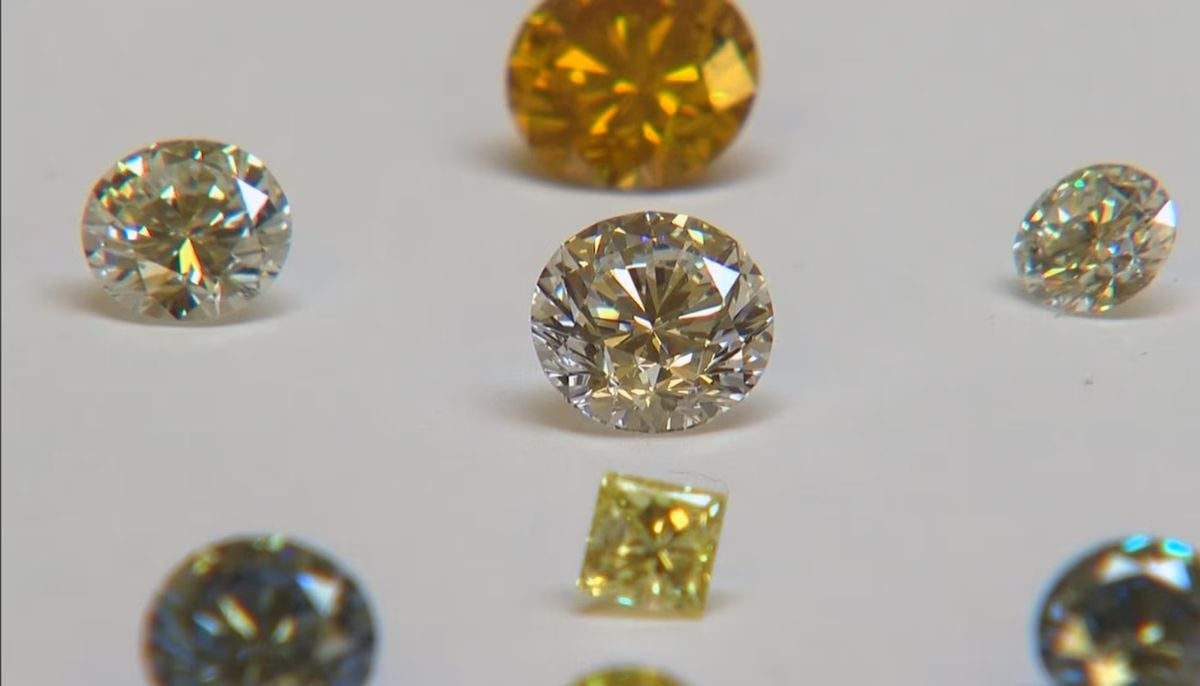
The United States and Japan are reportedly collaborating to build a synthetic diamond plant in the US, a significant move that is part of Japan's broader $550-billion investment package. The announcement further calls for the two nations to expand production of a material crucial to semiconductors and high-precision manufacturing.
The project is set to be unveiled in line with the upcoming US visit by Japanese Prime Minister Sanae Takaichi, planned for early March.
China’s recent move to impose export controls on artificial diamonds has underscored the strategic importance of the material, as the majority of the world’s supply is produced in China.
The recent announcement marks a significant move as Japan accelerates efforts to finalize projects under the finalized initiatives made as part of Tokyo’s deal with Washington to lower tariffs on Japanese exports.
“The United States wants to accelerate production of synthetic diamonds in line with one of the sources.”
“By involving Japanese companies, Washington hopes to build a US-Japan supply chain that does not rely on China.”
The investment package would incorporate equity, loans and loan guarantees from government-owned agencies Japan Bank for International Cooperation (JBIC) and Nippon Export and Investment Insurance (NEXI).
Initially, Japan’s trade ministry declined to comment on the projects under discussion. Further it stated that it was in talks with the United States to expedite the project, though nothing had been finalized, as reported by Reuters.
According to De Beers Group, the US Commerce Department and the Japanese Embassy did not immediately respond to the recent request. Synthetic diamonds are crucial to precision engineering, machining hard metals and ceramics, and quantum device applications; they also improve cooling in advanced electronic systems.
Nevertheless, this represents a turning point as two nations are creating a specialized supply chain designed to bypass China’s export controls.





-
 Justice Department shake-up: Pam Bondi ousted as attorney general despite close ties to Trump
 -
 Markwayne Mullin updates DHS rules, pauses migrant flights as Republicans call for stronger action
 -
 Calgary weather: snow brings dozens of crashes during second spring storm
 -
 Tornado warnings: southeast Wisconsin sees warnings expire after damaging winds and storm
 -
 US Army Chief Randy George asked to step down by Pete Hegseth in major shakeup
 -
 Pam Bondi, dubbed Trump's Ghislaine Maxwell, gets fired
 -
 Macron slams Trump: ‘Neither elegant nor up to standard’ over mockery
 -
 Storm Dave: Everything you need to know to stay safe this Easter weekend