Trump's Greenland tariff ‘blackmail’ sparks EU retaliation: Is ‘trade bazooka’ next?
President Trump levied 10 percent new taxes from February, 1 on goods coming from the eight EU members
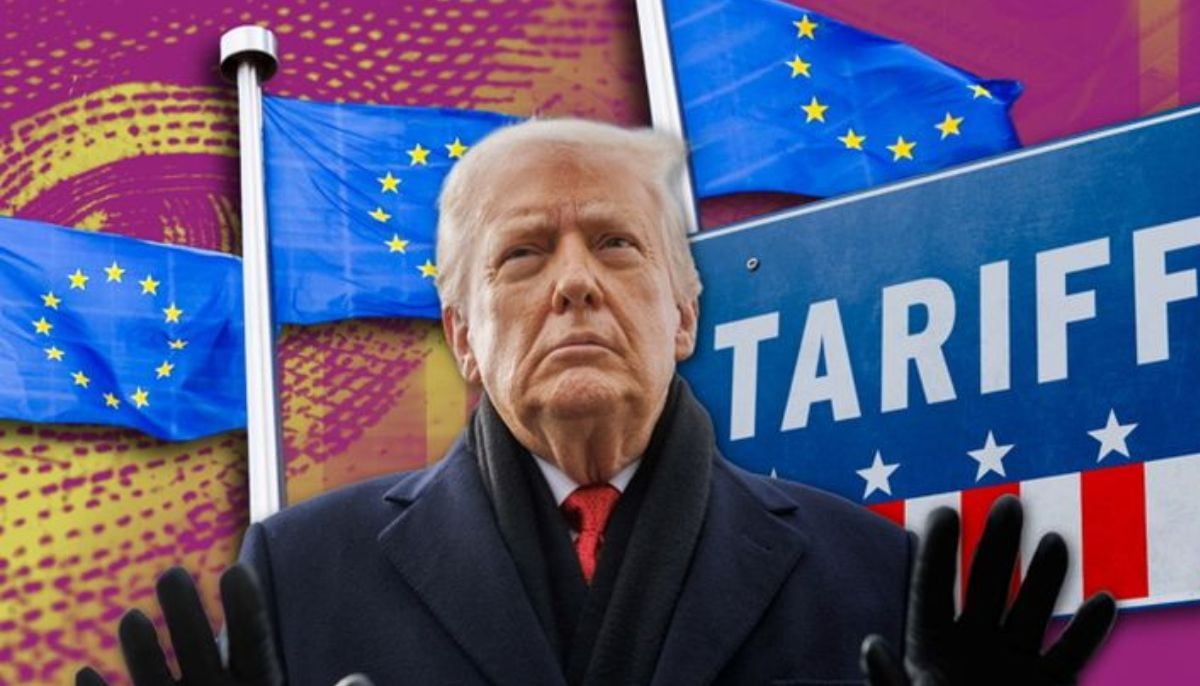
Greenland has once again been in the crosshairs of tariff war waged by US President Donald Trump in an effort to annex the highly-coveted territory.
On Sunday, President Trump levied 10 percent new taxes from February, 1 on goods coming from the EU members, including Denmark, Sweden, France, Germany, the Netherlands and Finland, along with Britain and Norway.
In the case of persistent resistance from the EU members, the US threatened to increase the tariffs to 25 percent from June 1. These taxes would remain in place until the US is allowed to purchase Greenland territory.
The EU states have condemned these measures as blatant “blackmail” and decided to impose retaliatory tariffs on American goods and deploy the most serious economic sanctions.
The leaders of Denmark, Norway, Sweden, France, Germany, the UK, the Netherlands and Finland issued a joint statement, stating, “Tariff threats undermine transatlantic relations and risk a dangerous downward spiral. We are committed to upholding our sovereignty.”
The EU ambassadors have announced plans to discuss the various countermeasures at an emergency summit which will take place on Thursday in Brussels.
What retaliatory options are on the table?
The first option includes a package of sweeping tariffs on 93 billion euros of US imports that could automatically kick in on February 6, imposing levies on cars, food, drink, and industrial goods. The package was suspended as a result of the US-EU trade deal struck last summer.
The other option pitched by France President Emmanuel Macron, revolves around invoking “Anti-Coercion Instrument (ACI)”, also called the big bazooka.
Under ACI, the EU member states could punish another country by blocking them from winning government contracts, stopping their investment or banking activities, and restricting the digital services, in which the US has a surplus.
Dialogue over preferable option
The bottom line is: most EU countries prefer using the tariffs as their first move, instead of using the ACI, which has never been used.
“At present, there is no question of deploying the ACI [anti-coercion instrument] or any other trade instrument against the US,” an EU diplomat said.
According to one EU diplomat, “All options on the table, talks in Davos with the U.S. and leaders gather after that.”
Several sources suggested the need for dialogue with the US over this thorny issue.
Danish Foreign Minister Lars Lokke Rasmussen said Denmark would continue to focus on diplomacy, referring to an agreement Denmark, Greenland and the U.S. made to set up a working group.
The EU’s peace and trade talks are a big deal at Davos this week as Trump will deliver a keynote address at the World Economic Forum in his first appearance at the event in six years.


-
 Navi Pillay wins Nobel Peace Prize for promoting peace and international law
 -
 Russia-Ukraine peace efforts: Trump envoys to discuss new US proposals with Kyiv, Europe
 -
 Two homes in Hamilton, Ontario devastated by explosions, three hospitalised
 -
 Labour wins Keir Starmer’s former seat as defeating Green party in London byelection
 -
 Cornell 7 assault case takes shocking turn as new text messages emerge
 -
 Carney hits back at Elon Musk after his comments backing Quebec, Alberta separatism
 -
 Russia strikes passenger bus in Ukraine, killing at least 30 civilians: officials
 -
 Trump targets Microsoft, tech firms, top universities over alleged green card abuse
-
 Hurricane Isaias could approach Category 3 threatening Gulf Coast with flooding
 -
Mike Rogers, El-Sayed clash over Trump, tariffs and personal attacks in Senate debate
-
Pete Hegseth wants Americans to watch Fort Hood gunman’s execution
-
ICE agents open fire during Bronx operation with 5-year-old inside vehicle