Trump administration imposes 25% tariff on imports of some AI chips
A 25% tariff has been imposed on advanced artificial intelligence (AI) computing chips following a new presidential proclamation
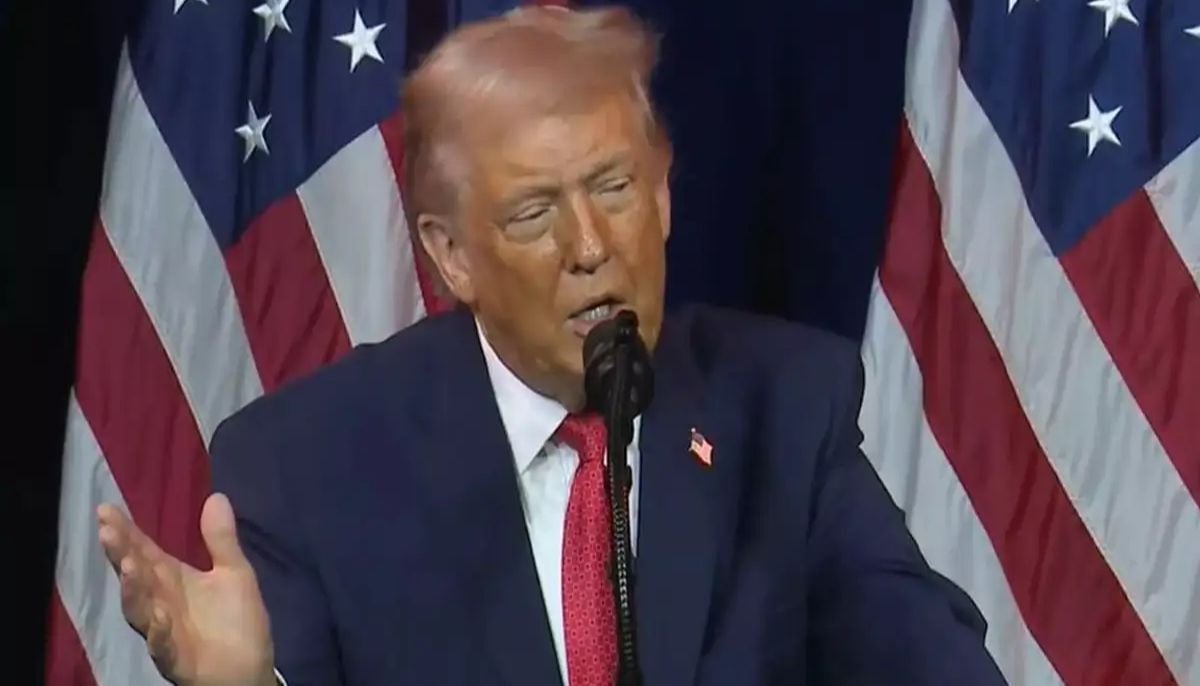
U.S. President Donald Trump has officially imposed a 25% tariff on certain AI chips as part of a broader strategy to boost domestic manufacturing and generate revenue. The tariffs target processors such as the Nvidia and H200 and a similar semiconductor from AMD, the MI325X, in line with the national security order released by the White House.
The recent action is part of a comprehensive strategy to create incentives for chipmakers to produce more semiconductors in the US.
The proclamation said, “The United States currently fully manufactures only approximately 10 percent of the chips it requires, making it heavily reliant on foreign supply chains.”
The White House has further elucidated in a fact sheet that the tariffs will be narrowably focused. They will not apply to chips and derivative products imported for U.S. data centres, consumer applications, or public sector applications.
Meanwhile, concerns have been swirling about the products containing chips that would be hit by the tariffs, the specific rates, and whether any countries or companies would be exempted.
The Trump administration this week required that the China-bound chips make a detour from Taiwan, where they are manufactured through the United States for testing at a third-party lab. The announcement on Wednesday implies that if the chips enter the United States, they become subject to the 25% tariff.
Trump imposes 25% tariff on AI chips amid supply chain overhaul
Trump has deployed an array of tariffs in a significant move to bolster American manufacturing. In a pivotal announcement of sweeping new tariffs, he included 100% duties on branded drugs while prompting fresh trade uncertainty after a period of relative calm.
In April 2025, the Trump administration launched probes into pharmaceuticals and semiconductors as a precursor to imposing tariffs, arguing that excessive reliance on foreign production poses a national security threat.
It is expected that in the near future, Trump may impose broader tariffs on imports of semiconductors and their derivative products to incentivize domestic manufacturing in line with the White House fact sheet.
Additionally, the supplementary material further clarifies that any 25% tariff imposed on semiconductors under the order would not be stacked on the top of other tariffs by the Trump administration under existing Section 232 orders.
The recent shift marks a major shift in US technology policy, moving away from absolute bans and toward a pay-to-play revenue model for advanced AI hardware.


-
 Tens of thousands protest in Madrid as anger grows over Spain’s housing crisis
 -
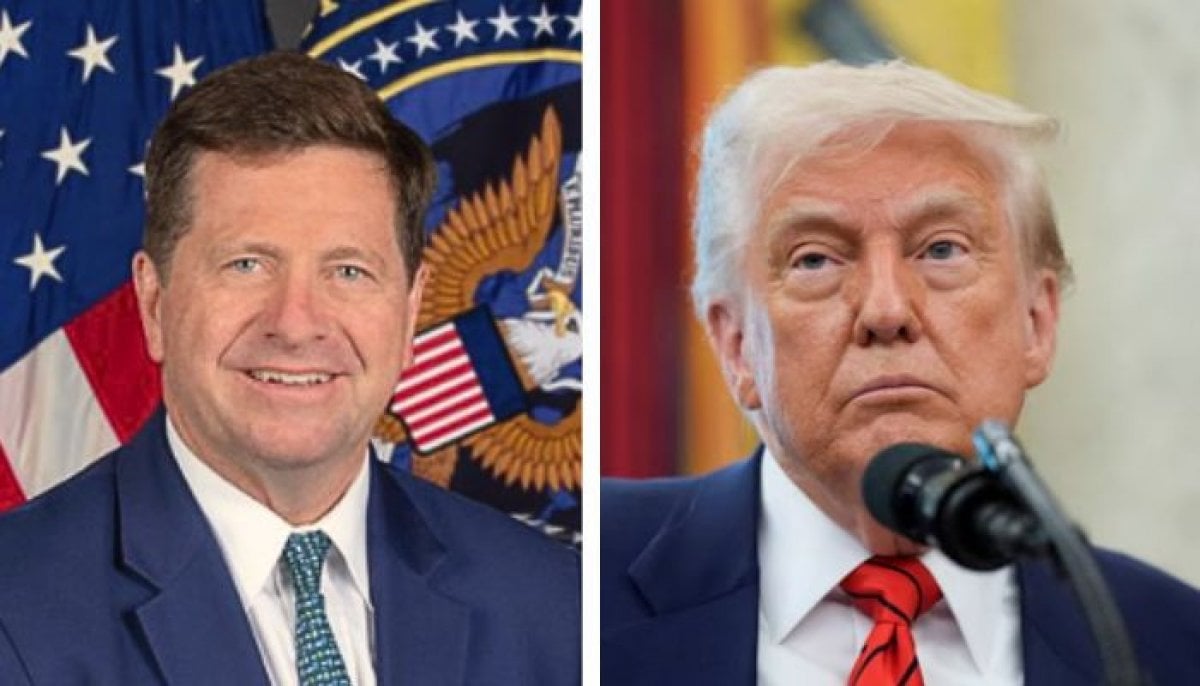 Trump names Jay Clayton to lead new White House 'Super Intelligence' task force: report
 -
 Prisons chief is stepping down after failed execution of Christa Pike
 -
 Piers Morgan laughs off 'threat' from former government official
 -
 D.A. refuses to review additional evidence in Cornell 7 rape case
 -
 North Korea tests AI-powered strategic missile as Seoul-Pyongyang DMZ tensions escalate
 -
 Americans urged to push back against Elon Musk’s influence on elections
 -
 Boston-bound plane disappears after takeoff from Bermuda, 6 missing