UN court opens Myanmar Rohingya genocide case: A pivotal test for international justice?
The genocide case against Myanmar was filed by Gambia at the International Court of justice in 2019
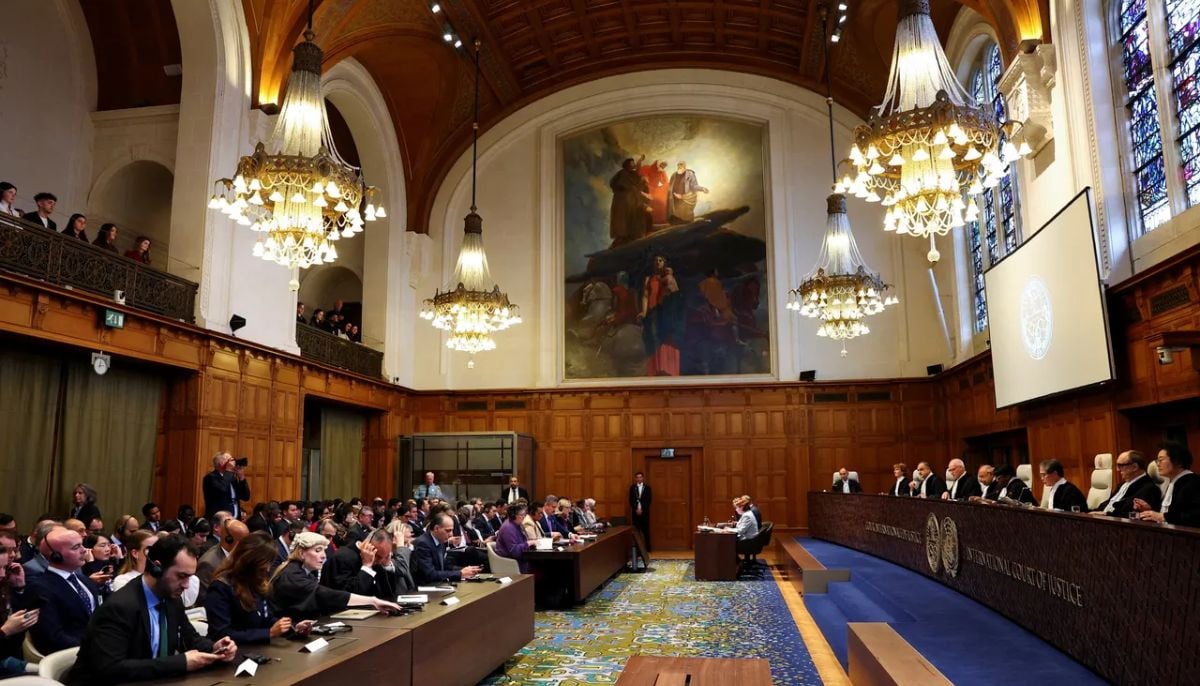
The United Nations’ top court is set to open and hear a landmark Rohingya genocide case filed against Myanmar.
This is the historic moment for global justice as it is the first genocide case the International Court of Justuce (ICJ) will hear in full in more than a decade.
The hearing will begin at 09:00 GMT on Monday and span three weeks. However, given the sensitive nature of genocidal cases, the sessions will be closed to the public and media.
A decisive test for International justice
The case will also prove a pivotal test for international justice as the world is witnessing various conflicts. The outcome of the case will have repercussion beyond Myanmar as it will influence South Africa’s genocide case against Israel accusing it of committing the crime against humanity in Gaza war.
According to Nicholas Koumjian, head of the U.N.'s Independent Investigative Mechanism for Myanmar, “The case is likely to set critical precedents for how genocide is defined and how it can be proven, and how violations can be remedied.”
The hearing of the case brought a renewed hope among Rohingya refugees who are living in Bangladesh's Cox Bazar in wretched living conditions.
“If the ICJ finds Myanmar responsible under the Genocide Convention, it would mark a historic step in holding a state legally accountable for genocide,” commented Legal Action Worldwide (LAW), a group that advocates for Rohingya rights.
The genocide case against Myanmar was filed by Gambia at the International Court of justice in 2019, accusing the country of committing blatant genocide against Muslim minority living in the remote western Rakhine state.
In 2017, Myanmar military launched a brutal offensive against Rohingya Muslims, displacing at least 730,000 from their homes and coercing them into Bangladesh.
According to the UN fact-finding mission. The military offensive was ridden with “genocidal acts.”
However, the Myanmar military refuted those facts mentioned in the report, dubbing the offensive as a legal counter-terrorism operation.
In 2019, during the preliminary hearings in the ICJ case, Myanmar former leader, Aung San Suu Kyi, declared Gambia’s accusations as “misleading and incomplete.” Later, the leader was toppled by the military, plunging the country into turmoil.


-
 Trump says Google rejected his request to rename Atlantic Ocean after himself or America
 -
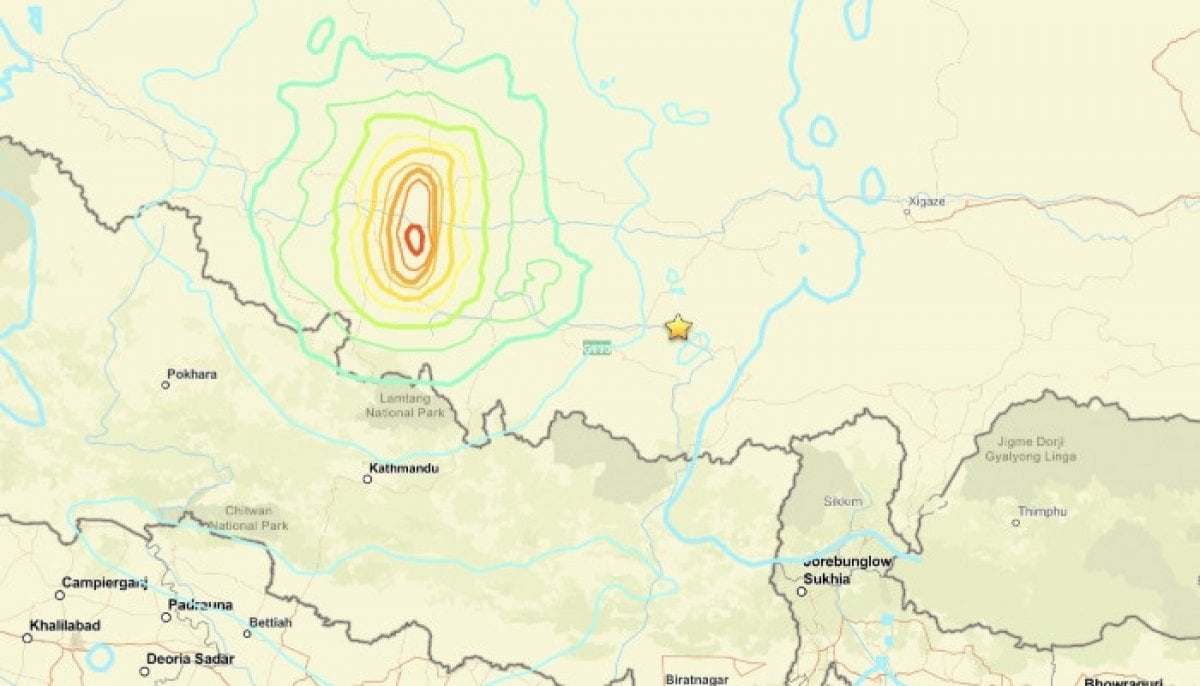 Magnitude 7.0 earthquake in Tibet kills 16 and destroys hundreds of homes
 -
 Ron Duguay, former New York Rangers forward, dies after cancer battle
 -
 Kathy Hochul gets campaign boost from NYC Mayor Zohran Mamdani ahead of midterms
 -
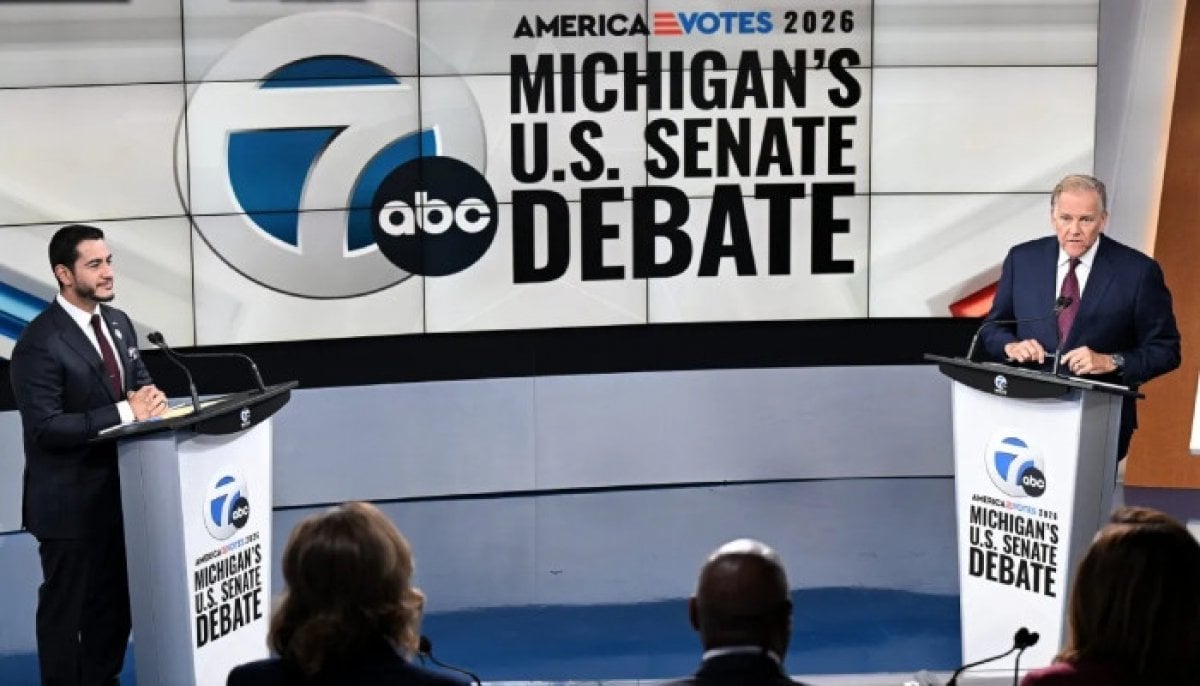 Abdul El-Sayed and Mike Rogers clash over Trump, patriotism in Michigan Senate debate
 -
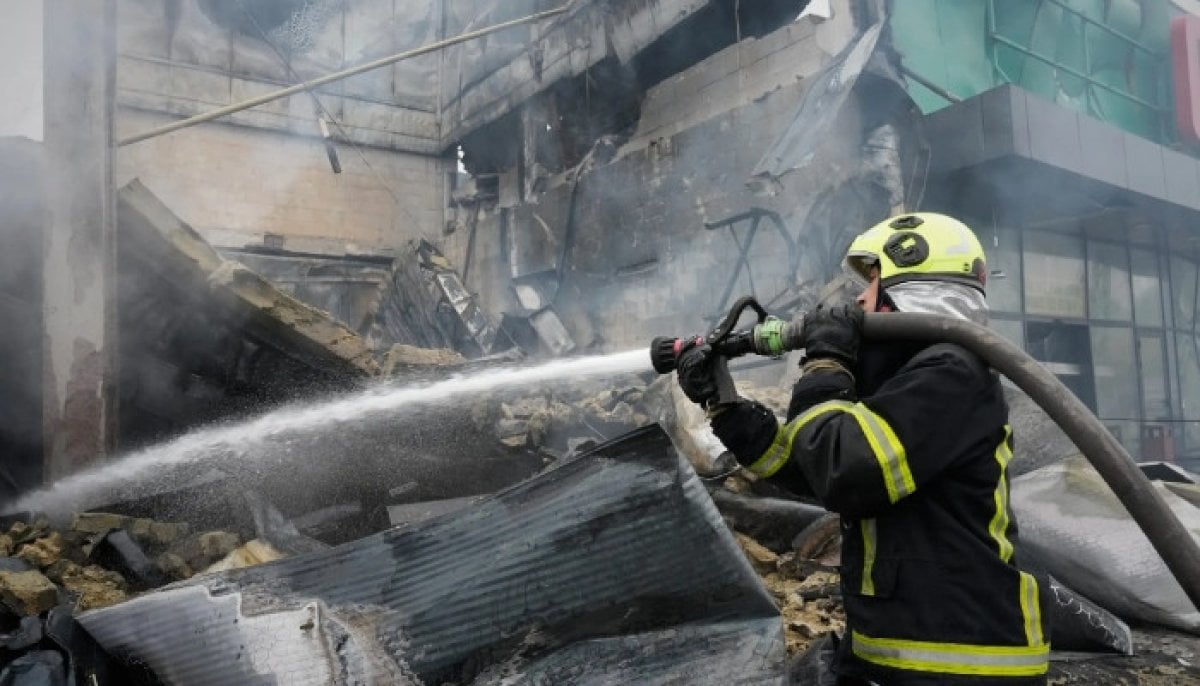 Russia attacks Kyiv hours after peace talks announcement, killing two and injuring 22
 -
 Macron vows to ban non-union protests, blames ultra-left groups as unrest grips France
 -
 Trump's massive DC arch could begin construction days after US midterm elections