Melbourne records first 40C day in six years as extreme heatwave sparks bushfire warnings
Worst heatwave since Black Summer hits more than half of Australia
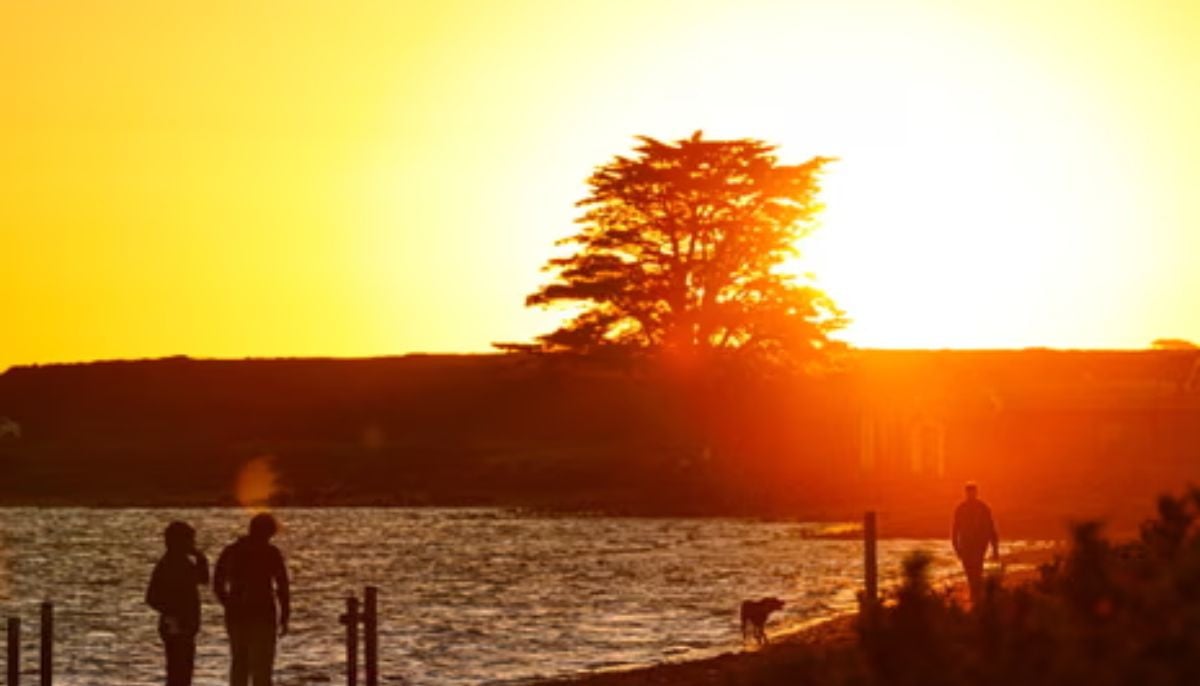
A severe heatwave, described as the most significant to hit south-eastern Australia in years, has descended upon the region.
Temperatures have soared into the mid-40s, with Melbourne recording 40C and Adelaide reaching 43C. This level has not been seen since the deadly “Black Summer” bushfire season, prompting dangerous conditions and emergency warnings across several states.
The intensity heatwaves stretch from the north-west to the south-east of the country, having developed in Western Australia before moving through SA, Victoria, New South Wales, the ACT, and Tasmania.
According to The Guardian, Adelaide and Melbourne were experiencing sweltering conditions, with temperatures forecast to reach 42C in both cities on Wednesday.
Meanwhile, in Victoria, residents in Bungil, Granya, and Thologolong in the state’s north-east have been warned to immediately leave due to a bushfire travelling south from Mt Lawson State Park that was not under control.
Given the gravity of the situation, Forest Fire Management Victoria reported that the fire has reached approximately 1,000 hectares and continues to grow.
Currently, 305 firefighters, 12 aircraft, and more than 30 bulldozers are working to control the blaze.
The state’s Country Fire Authority chief officer, Jason Hefferman, said that hot and dry conditions will remain for the next three days. He warned that conditions will be extremely challenging for firefighters and urged vulnerable individuals to be prepared to leave early.
Sydney is forecast to reach a maximum 31C, while Canberra is expected to hit 35C before heating up further on Thursday.
By contrast, temperatures in Hobart are forecast to reach a maximum of 28C, which is still well above average.
In this connection senior meteorologist Miriam Bradbury said that hot daytime temperatures and very warm nights would offer little relief over the coming days.
The NSW Health Minister, Ryan Park, urged people to take care of their health by avoiding exercise in the middle of the day, and reminded parents and carers to never leave their children in cars.
The Royal Australian College of GPs has advised people to stay away from affected years, remain hydrated, and stay indoors where possible, noting that peak UV hours are between 11am to 3pm.
This extreme heat follows the Bureau of Meteorology findings that 2025 was Australia’s fourth-warmest year on record, with national temperatures averaging 1.23C above the long-term mean.
Additionally, the climate crisis has increased the frequency and severity of such extreme weather events, including both heatwaves and bushfires.




-
 Pam Bondi, dubbed Trump's Ghislaine Maxwell, gets fired
 -
 Macron slams Trump: ‘Neither elegant nor up to standard’ over mockery
 -
 Storm Dave: Everything you need to know to stay safe this Easter weekend
 -
 Brazil approves law giving separated couples joint custody of pets
 -
 'Poisoned' Mount Everest climbers expose guides' million-dollar fraud scheme
 -
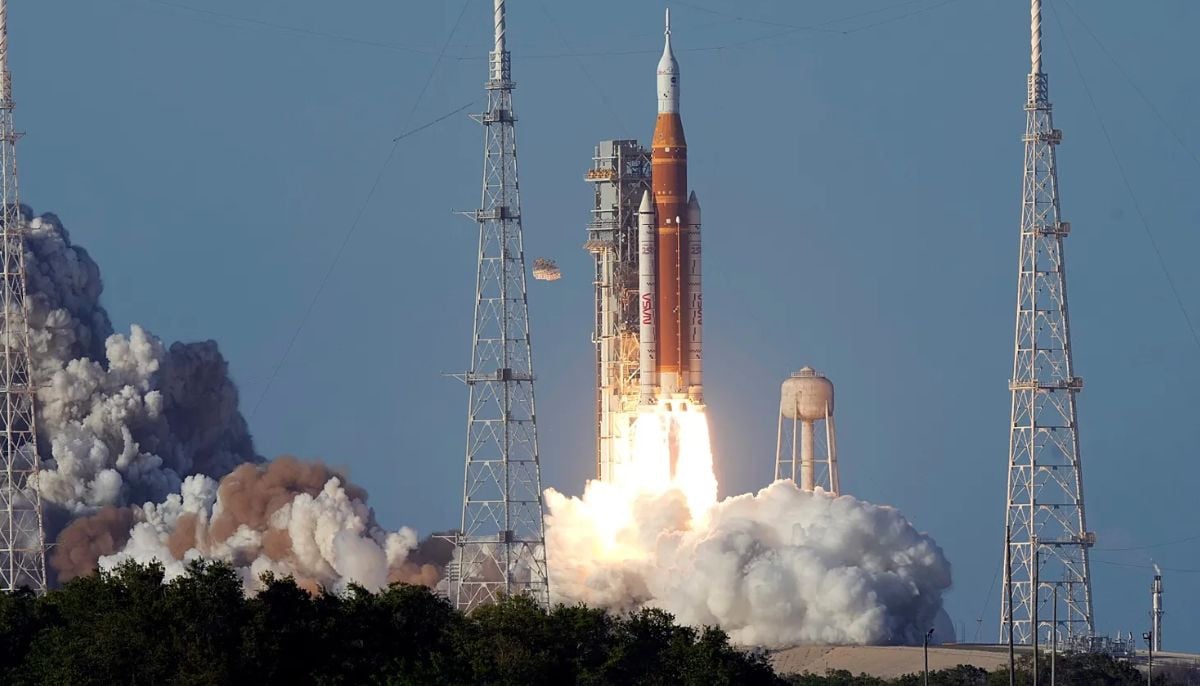 NASA Artemis II historic rocket launch: Spacecraft successfully enters Earth orbit
 -
 Vanessa Trump remains loyal to Tiger Woods after DUI arrest: Report
 -
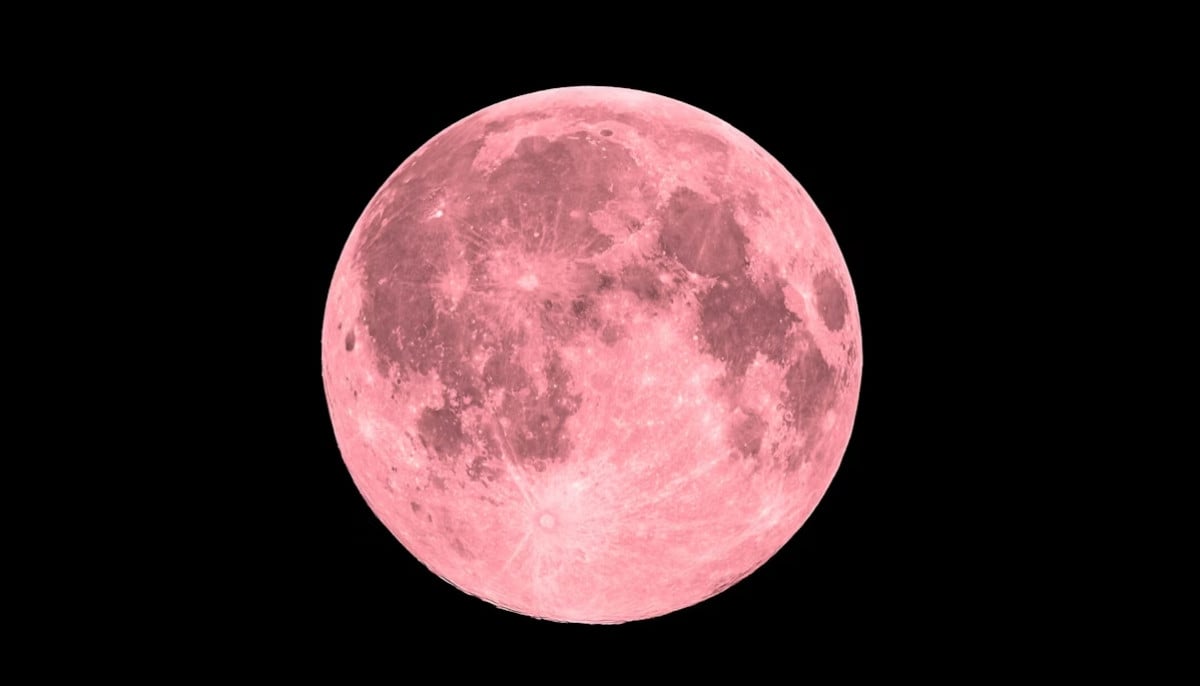 Pink moon 2026: when to see April’s full moon and why it won’t look pink in the sky
-
 Reese's Peanut Butter Cups to return to classic chocolate recipe following public backlash
 -
TDSB vice principal jobs cut as board removes 40 roles amid funding loss, enrolment decline
-
Earthquakes hit Indonesia off Ternate, triggering tsunami warning that is now lifted
-
NASA Artemis II rocket launch: Canada’s Jeremy Hansen makes history in first lunar mission in decades