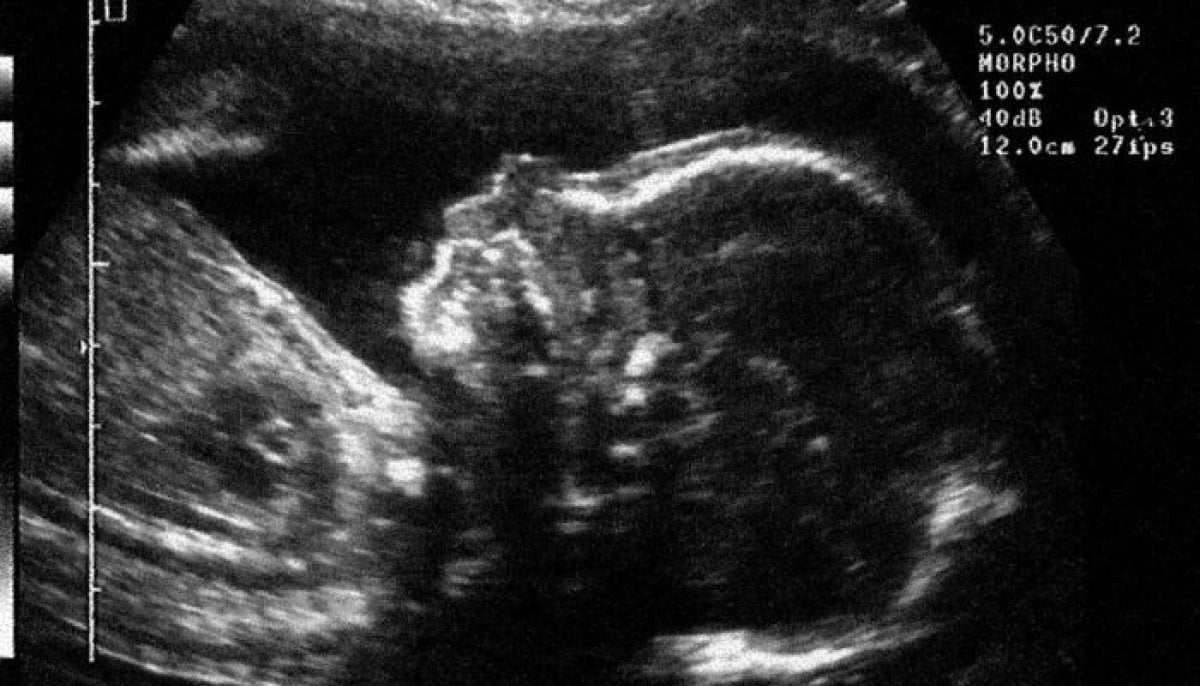
AI-driven predictions may improve language outcomes after cochlear implants
Artificial Intelligence has become one of the most advanced forms of machine learning and can predict spoken language outcomes for children with cochlear implants (CIs).

A groundbreaking international study published in JAMA Otolaryngology-Head & Neck Surgery has demonstrated that Artificial Intelligence (AI) can predict spoken language outcomes for children.
The AI model, using deep transfer learning, predicted spoken language outcomes at one to three years after cochlear implants with 92% accuracy.
Cochlear Implants: Only effective treatment for severe to profound hearing loss
Cochlear implantation is the only efficacious intervention to improve hearing and enable spoken language for children with severe hearing impairment; however, spoken language development after early implantation is more variable than that of children with typical hearing.
Researchers trained AI models to analyze outcomes based on pre-implantation brain MRI scans from 278 children in Hong Kong, Australia, and the US who spoke three languages (English, Spanish, and Cantonese).
It has been observed that such complex, diverse datasets pose problems for conventional machine learning; the study showed remarkable results with the deep learning model.
In this connection, senior author Nancy M. Young, MD, Medical Director said, “Our results support the feasibility of a single AI model as a robust prognostic tool for language outcomes of children served by cochlear implant programs worldwide.”
The researchers were of the view that the same methods could eventually be used to predict success for other pediatric conditions beyond hearing loss.
Nonetheless, the Children’s Cochlear Implant program is one of the largest and most experienced in the world, having performed more than 2,000 cochlear implant procedures since its inception in 1991.


-
 Health Canada reviewing new mRNA flu vaccine that could prevent more hospitalisations
 -
 Scientists discover hidden drainage route at the back of the eye
 -
 WHO confirms death at Russian research lab, says no plague case registered
 -
 Getting a $90 check from Social Security? Here’s why
 -
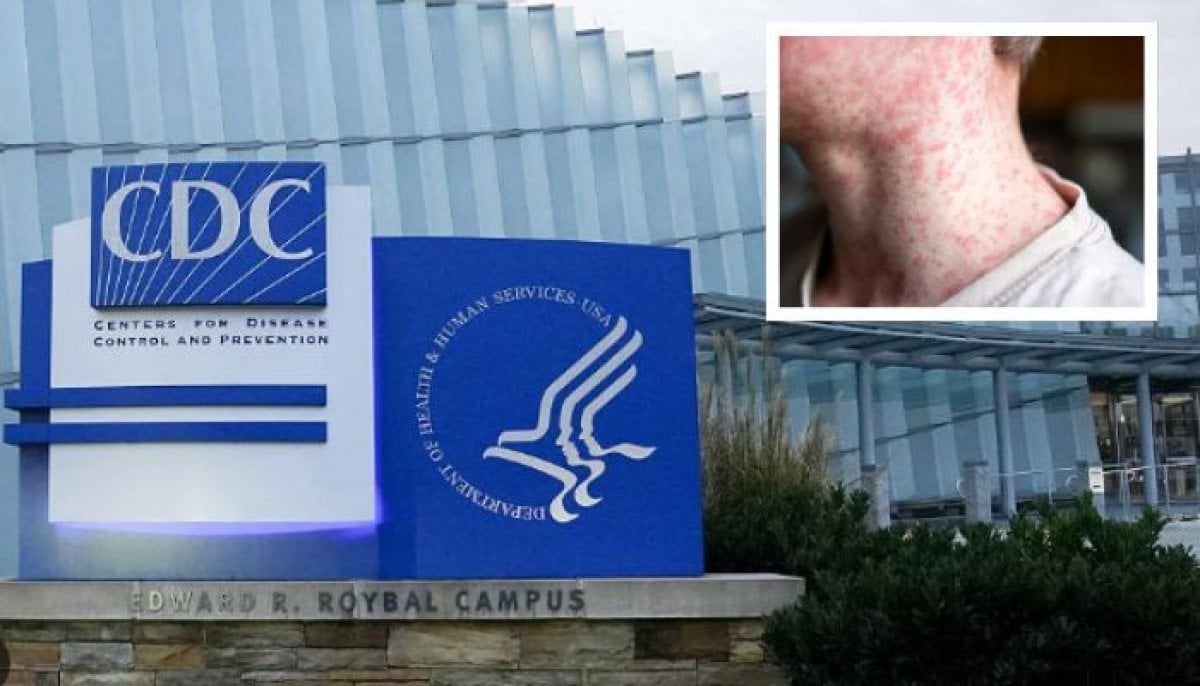 Measles cases in US top 4,000 nationwide, CDC reports
 -
 Sexually transmitted diarrhea spread in US, UK: Why antibiotics are failing against Shigella
 -
 Who is Song Li? China puts her forward for WHO leadership role
 -
 CDC monitors travelers from Siberia after plague worker’s death, director says