Australia passes gun law & protest ban: What it means for public safety
The New South Wales (NSW) state parliament passed the Terrorism and Other Legislation Amendment Bill
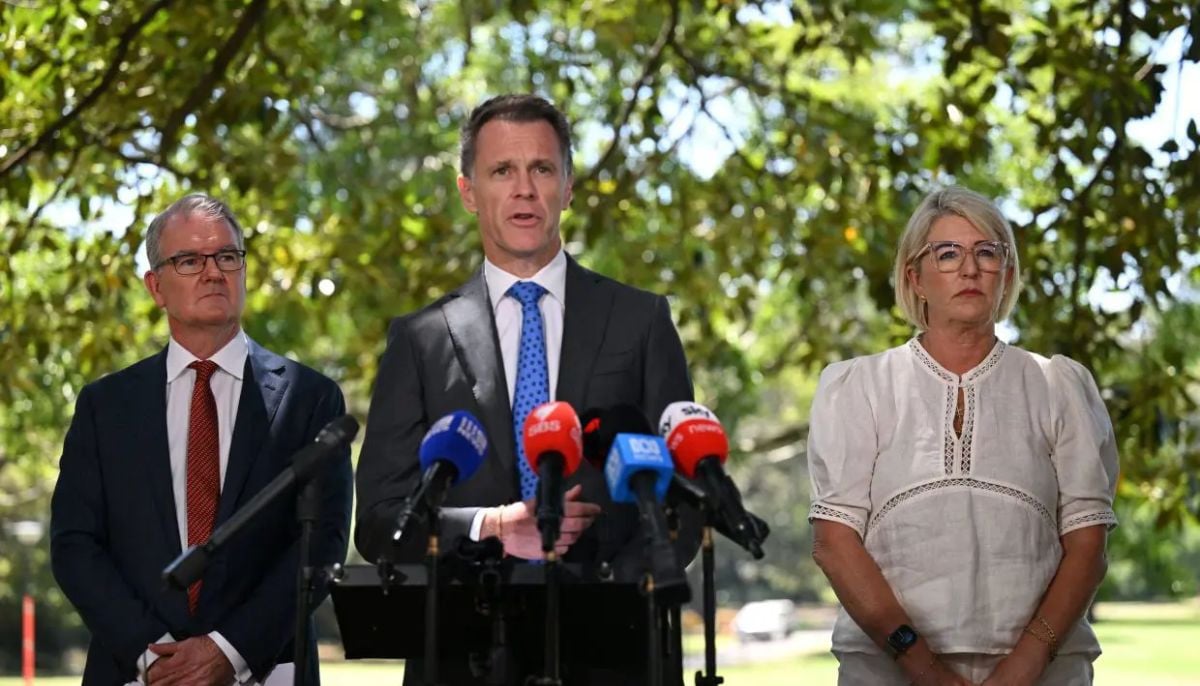
Australia passed new tougher gun and protest-related laws on Wednesday in the wake of mass shooting on Bondi beach that left 15 people killed and dozens others injured.
The New South Wales (NSW) state parliament passed the Terrorism and Other Legislation Amendment Bill after it got approved by the upper house by 18 votes.
The newly-passed bill received bipartisan support from the Labor and Liberal parties but faced opposition from the National Party and various activist groups.
Stricter new firearm restrictions
The new laws are considered as the toughest in Australia since the Port Aurthur massacre in 1996. The recent laws specifically focus on tightened ownership rules.
Under the new laws, individual licences are now capped at four firearms. There will be exemptions for farmers who will be permitted to own up to 10 guns.
All firearm license holders must now hold a gun club membership. Earlier this week, prime minister Anthony Albanese proposed a federal buyback plan in response to the tragic incident.
Protest and symbol ban
The legislation will empower police to impose restrictions on protest and public assemblies for up to three months.
The public display of flags and symbols related to prohibited militant organizations will be considered illegal. The offenders will face a penalty up to two years in jail and a fine of A$22,000.
The government also aims to ban statements that are responsible for instigating hate and violence.
Opposition to new sweeping laws
The recent bill has fuelled significant opposition from various actors. The Palestine Action Group, Jews Against the Occupation and the First Nations-led Blak Caucus issued a statement, calling the laws ‘draconian ones.”
"It is clear that the (state) government is exploiting the horrific Bondi attack to advance a political agenda that suppresses political dissent and criticism of Israel, and curtails democratic freedoms," the groups said.
Expert opinions on new reforms
According to Anne Twomey, emerita professor of Constitutional Law at the University of Sydney, the recent protest laws will further discourage people from taking part in protests.
She said, “I think that they'll think they've been banned and it's illegal to do that [protest] and that will stop them from exercising their freedom of political communication.”
Anthony Whealy, chair of the Centre for Public Integrity and former NSW Court of Appeals judge, agreed, stating that reforms could create more division in society.
“If you're going to inhibit the lawful right of people to express deeply felt points of view, you're going to create a more divisive situation,” Whealy added.




-
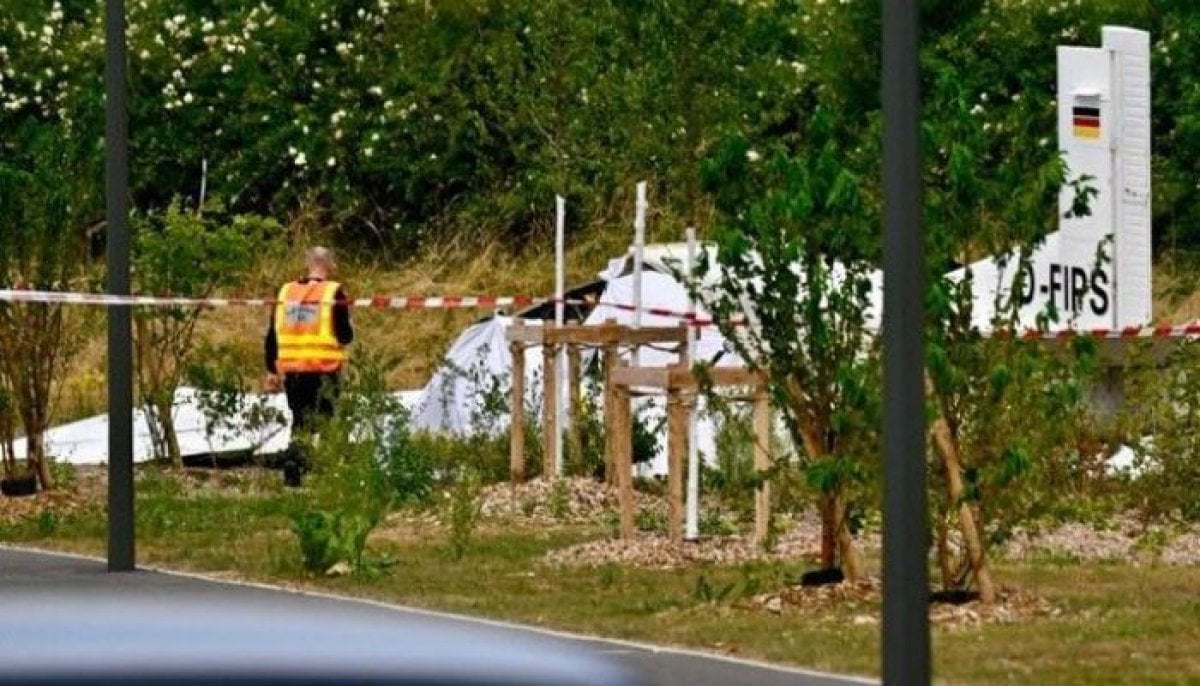 11 killed as civilian plane crashes in Eastern France
 -
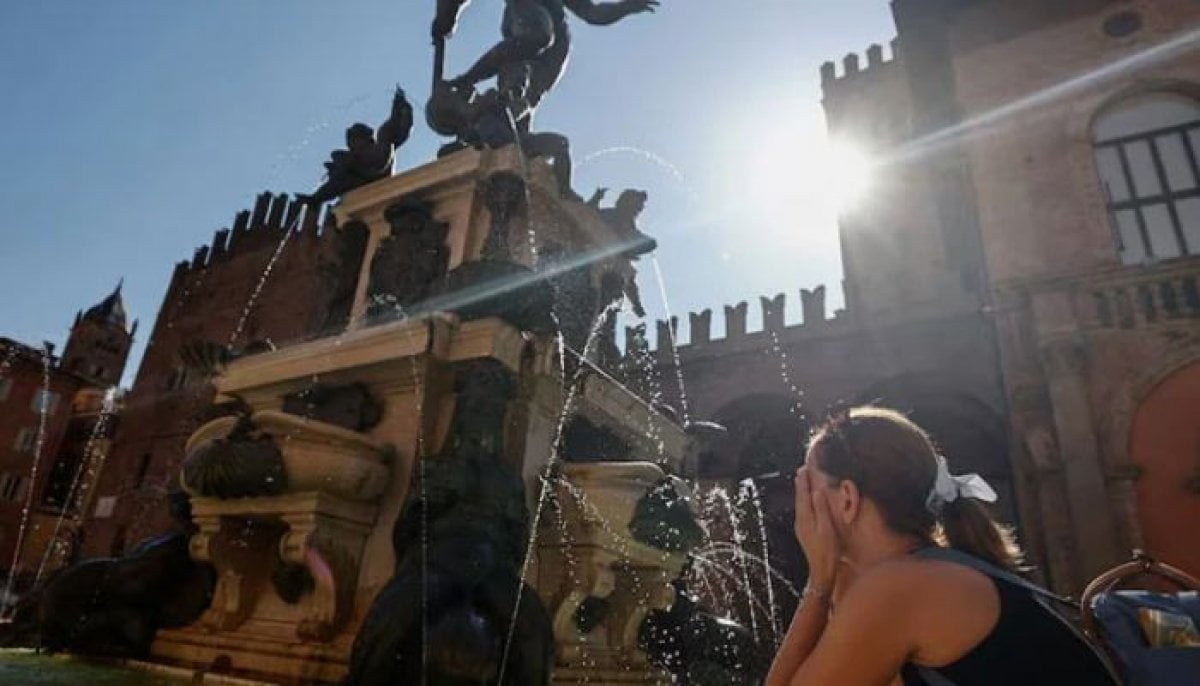 France records around 1,000 excess deaths during deadly heatwave
 -
 South Korea, Japan deepen defense ties in major security push
 -
 Light aircraft crashes into Beijing's tallest tower, pilot killed
 -
 Trump debuts passport featuring his own portrait ahead of America's 250th anniversary
 -
 What triggered US strikes on Iran? Trump’s ceasefire violation claim explained
 -
 Venezuela earthquake death toll exceeds 920 as rescuers race for survivors
 -
 US announces breakthrough framework agreement between Israel and Lebanon