Nicotine pouches use increases among young men as 'targeted' marketing continues
Nicotine pouches are most consumed by young men, a study suggests
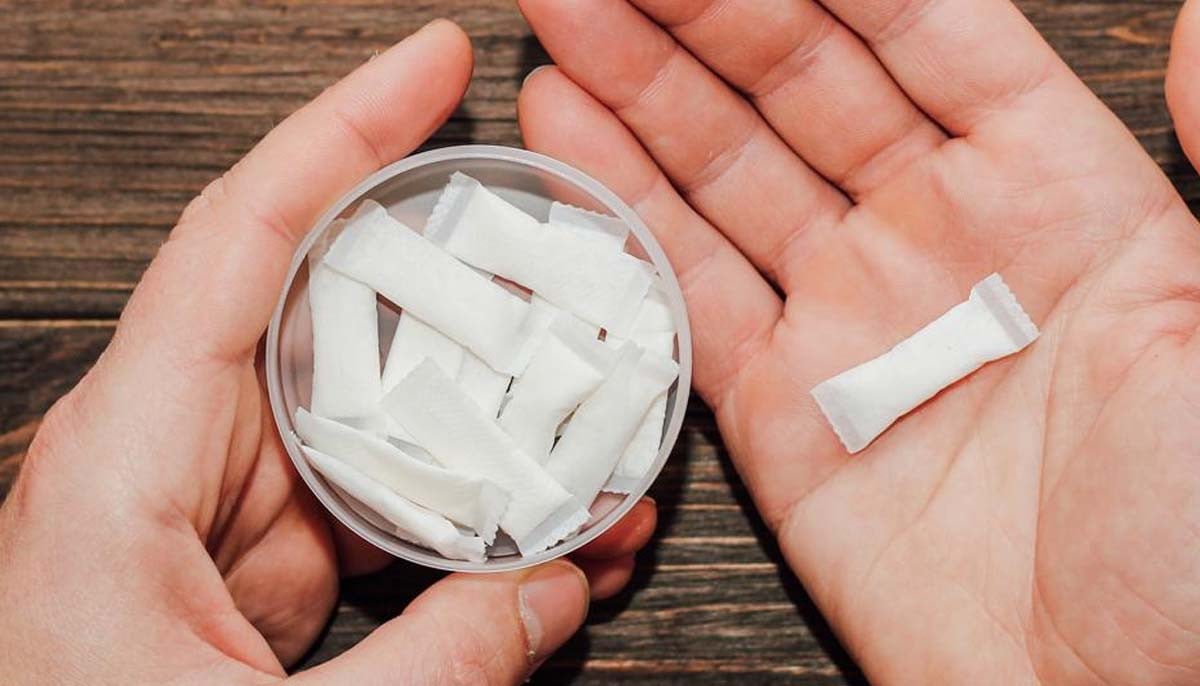
Young men are greatly consuming nicotine pouches, usually as alternative to smoking.
A study suggests around 7.5% of 16 to 24-year-old-men are using the small sachets that fit under the top lip, compared with 1.9% use among young women and 1% among adults overall.
Most pouch users - estimated to be around half a million people - also smoke or vape, and a growing number are using them to give up smoking, University College London researchers revealed.
They say research is needed to determine whether the nicotine-filled pouches could help people quit cigarettes, which contain harmful tobacco and other chemicals.
Sales of nicotine pouches have been going up rapidly in recent years, with the rise driven "almost exclusively" by young people using them, especially young men, say the researchers.
Less than 1% of young men and women were using nicotine pouches in 2022, increasing to 4% in March 2025.
This is due to the "aggressive and targeted" way the pouches are marketed, the study says.
"Marketing of nicotine pouches has been heavily targeted at spaces and platforms that disproportionately reach young men, including sponsorship of Formula 1 teams, promotion at music festivals, reports of use among professional footballers, and influencer marketing aimed at male audiences," says Dr Harry Tattan-Birch, UCL researcher and study author.
But the rules around how the nicotine pouches are marketed is set to change.
Legislation passing through parliament which is called the Tobacco and Vapes Bill - would ban their sale to anyone under 18, restrict how they are advertised, and give powers to regulate the flavours, packaging and the amount of nicotine they contain.
The study also states this new regulation should be looked at carefully so that it doesn't undermine any potential the pouches have to reduce the harms from smoking.
In other countries, the rules on nicotine pouches are far more strict a they are banned in Germany and the Netherlands, and soon to be banned in France.



-
 OpenAI agents uncover brain disease leads: Here’s how
-
 AI tool can now predict cancer survival by a single patient selfie: Find out how
-
 Scientists identify a new type of depression affecting 1 in 4 patients
-
 Everything to know about US FDA’s new guidance on apps used with prescription drugs
-
 ‘Immortal’ jellyfish could hold clues to slowing human ageing
-
 Ebola crisis worsens in DR Congo as virus reaches eighth province with over 4,500 dead
-
 Study finds eating blueberries every day can surprisingly boost your mood
-
 Eli Lilly’s Foundayo weight-loss pill gets European approval recommendation
-
 What is BPC-157? Trump administration considers easing rules on popular peptide injections
-
West Nile virus: Europe reports 141 deaths as human cases rise in 2026
-
Health Canada reviewing new mRNA flu vaccine that could prevent more hospitalisations
-
Scientists discover hidden drainage route at the back of the eye