Japan lifts advisory after strong 6.7-mangitude tremor
Japan issues tsunami advisory after 6.7 magnitude quake hits northeast region
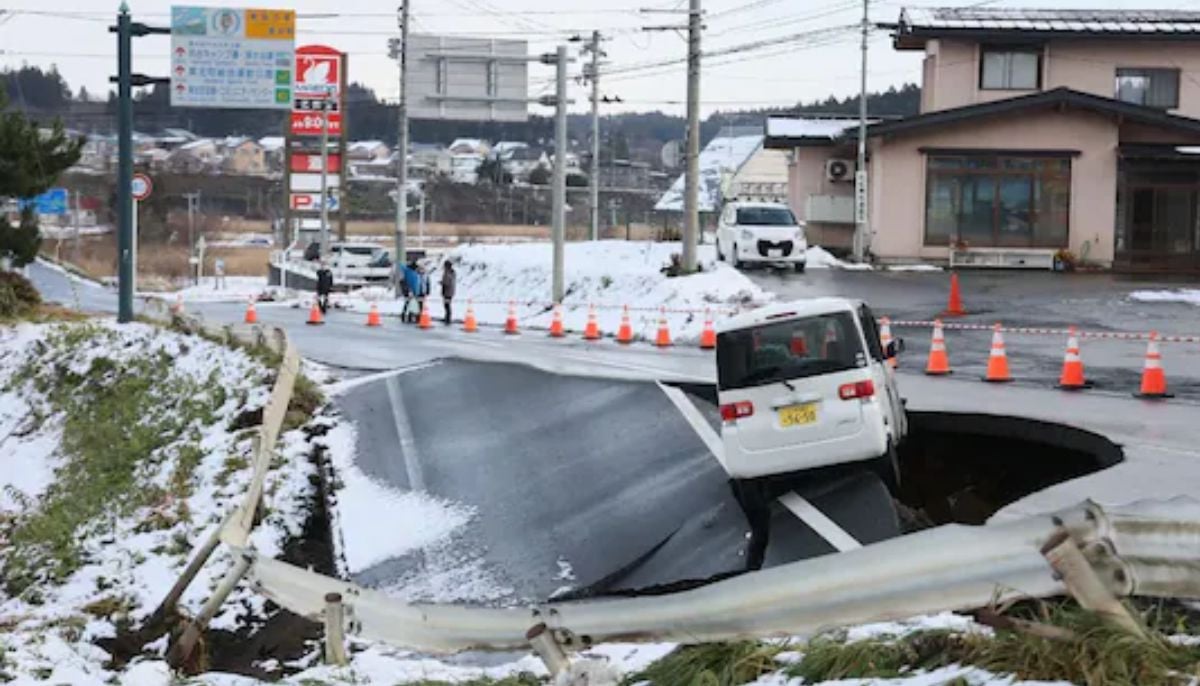
A 6.7-magnitude earthquake struck off the country’s northern Pacific coast, prompting a tsunami advisory from Japan's weather authorities.
According to the BBC, the earthquake caused small tsunami waves, resulting in no potential damage.
Concerning the tragic incident, more than 6,000 people were evacuated along the coast of Aomori Prefecture, the northernmost province of Japan’s main island.
A 7.5 quake in the same region injured at least 50 people.
Authorities have issued warnings of the probability of a future earthquake. Japan has been bracing for a big one-in-a-century quake.
These megathrust earthquakes are prone to hit every hundred years or, as is often the case in pairs: the last pair struck in 1944 and 1946.
According to Japan’s earthquake investigation panel, there was a 60-90% chance that a megaquake would occur in the Nankai Trough-an area of seismic activity which serves as the rocky stretch along Japan’s Pacific coast-within the next three decades.
Japan’s prime minister Sanae Takaichi was of the view that the quake does not fall under the megaquake advisory, but authorities had warned that a stronger tremor could occur after a magnitude 7.5 earthquake struck northeastern Japan on Monday.
The tsunami advisory was issued after waves were observed at one metre (3.3ft). Residents are advised to stay away from the water and coastal years.
According to the JMA, the next on the scale is a major tsunami warning, and waves anticipated to be more than 3m.
In addition, the government announced a special alert across a wide area, from Hokkaido in the north to Chiba, east of Tokyo, signaling an increased possibility of a powerful earthquake hitting again within a week.


-
 USCIS finalises H-1B FY2027 selection, petitions filing begins
 -
 Vancouver Canucks call up Ty Mueller from Abbotsford as season nears end
 -
 Trump vows to hit Iran ‘extremely hard’ in next three weeks as conflict scales up
 -
 Avalanche star Nathan MacKinnon reaches 50 goals milestone as Canucks win thriller
-
 'Poisoned' Mount Everest climbers expose guides' million-dollar fraud scheme
 -
Trump vows to hit Iran ‘extremely hard’ in next three weeks as conflict scales up
-
 NASA Artemis II historic rocket launch: Spacecraft successfully enters Earth orbit
 -
 Vanessa Trump remains loyal to Tiger Woods after DUI arrest: Report
 -
 Pink moon 2026: when to see April’s full moon and why it won’t look pink in the sky
 -
 Reese's Peanut Butter Cups to return to classic chocolate recipe following public backlash
 -
 TDSB vice principal jobs cut as board removes 40 roles amid funding loss, enrolment decline
 -
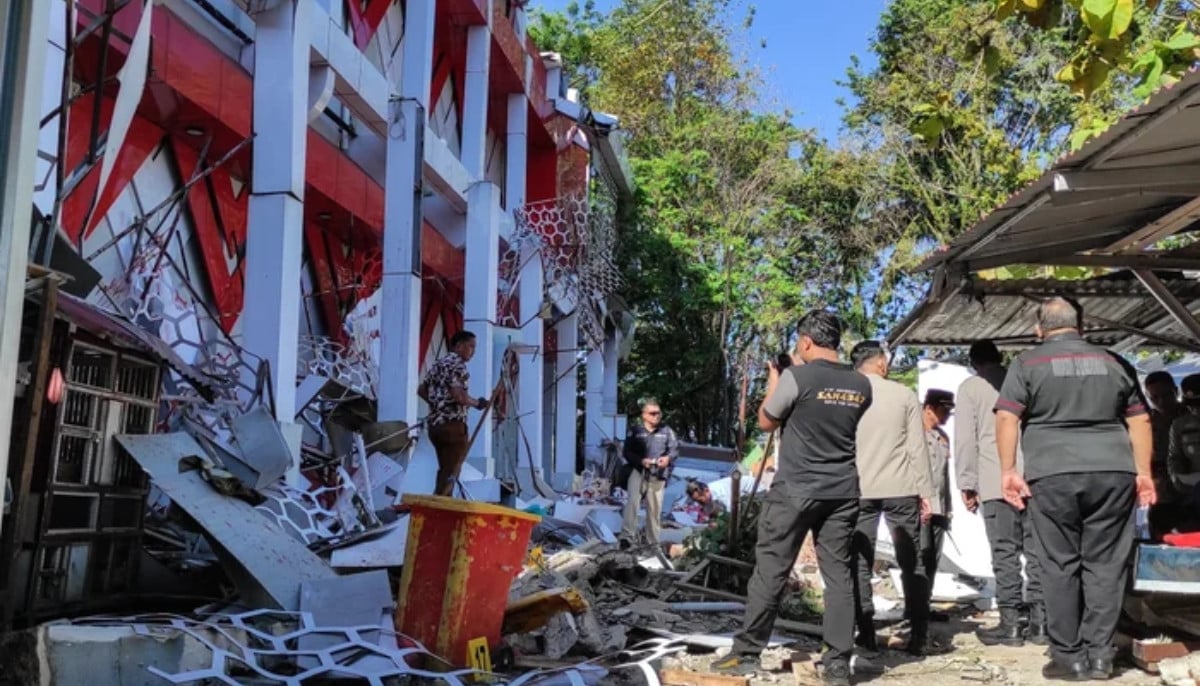 Earthquakes hit Indonesia off Ternate, triggering tsunami warning that is now lifted
-
 NASA Artemis II rocket launch: Canada’s Jeremy Hansen makes history in first lunar mission in decades
 -
Donald Trump claims US is nearing end of its military campaign in Iran
-
Trump on Mount Rushmore? April Fools story tricks readers
-
Kristi Noem's husband was blackmailed by hostile intelligence services?