New study finds pre-workout supplements tied to alarming reductions in sleep duration
The study demonstrated the direct connection between the use of pre-workout supplements and short sleep duration
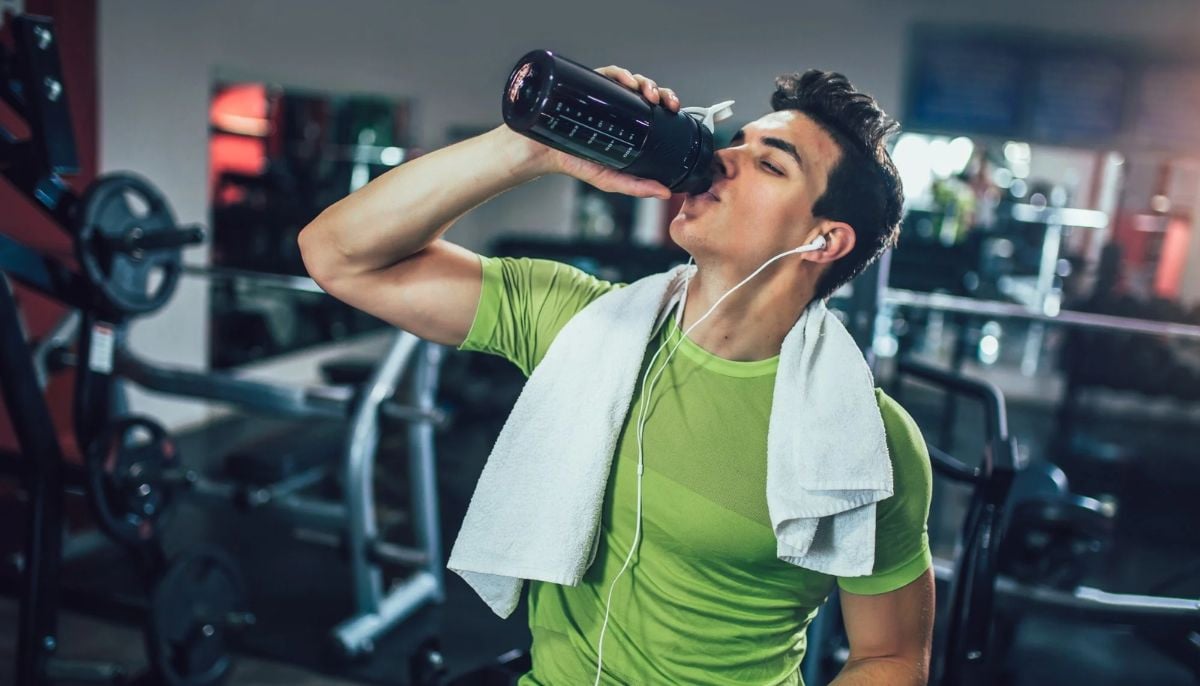
According to a new study, researchers have determined that the use of pre-workout supplements is linked with shorter sleep time among young adults.
The study was published in Sleep Epidemiology, and it demonstrated that many teenagers power their workouts with pre-workout drinks, which often results in them feeling tired the next day.
Sleep has a prime role in regulating mood, immunity, and muscle recovery but clear guidance is limited. More research is needed to understand timing, dose, and inadequate sleep in the real world.
The study was conducted to measure the role of supplement in managing the sleep routine
An online survey was conducted among individuals aged 16 to 30 years across Canada. The participants were drawn from Wave 2 of the Canadian Study of Adolescent Health Behavior.
Pre-workout use in the initial 12 months was recorded as ‘any’ versus ‘none’, distinguished by the inclusion of behavioral and performance-enhancing additives.
The average sleep over the previous two weeks was categorized into self-declared hour ranges: ≤5, 6, 7,8 or greater than 9.
Meanwhile, the symptoms of depression and anxiety were measured by the Patient Health Questionnaire 9-Item (PHQ-9) and Generalized Anxiety Disorder 7-Item (GAD-7), and any weight training in the initial 30 days was also recorded.
The research study used a demographically diverse sample of girls, young women, boys, young men, transgender individuals.
The model performed efficiently; furthermore, the incorporation of demographic variables, mental health symptoms, and pre-workout use emerged as a reliable indicator of very short sleep.
On the contrary, those people who commonly sleep eight hours a day were significantly less likely to report sleeping five hours or less.
The current research study is attributed to mood fluctuations and weight training; moreover, it’s also possible that people who sleep less may turn to pre-workouts to gain energy.
It has been observed that the degree of association for short sleep is momentous, suggesting that even occasional pre-workout could push impressionable users into sleep durations below the recommended guidelines.
It further indicates that fewer than one in three participants meet the recommended eight hours or more, underscoring the issue of short sleep in this age group.
Safety guidelines on timing, dose and sleep protection
The study demonstrated that adolescents and young adults who use pre-workout supplements face a higher probability of short sleep, even after analyzing population data, mood symptoms, and recent weight training.
Practical guidelines need to be incorporated to avoid pre-workouts, check labels for caffeine content well before bedtime, and maintain healthy sleep habits at home.
Nonetheless, future investigations will analyze test dose, timing, and ingredient patterns to better understand these factors and to inform targeted education, policy, and clinical practice.


-
 Study identifies key cause of fatigue and brain fog
 -
 Apple’s screenless fitness tracker plans revealed: What to know
 -
 Rabies concerns grow in US, sparking health warnings over fatal virus
 -
 This popular cooking garnish may offer surprising benefits for brain health
 -
 Was the human brain once two separate organs? Scientists find new clues
 -
 Novo Nordisk partners with Anthropic to accelerate AI-powered drug discovery
 -
 Congo Ebola outbreak reaches turning point as daily infections fall
 -
 Study reveals why some babies are born with heart defects
-
 Third measles-associated death reported as Pennsylvania outbreak reaches 676 cases
 -
Cyclosporiasis outbreak: US officially ends largest outbreak linked to contaminated lettuce
-
Hot beverages increase risk of cancer? New research provides in-dept details
-
Highest-level recall issued for potato chips over banned ingredient posing death risk