New study reveals dim light at night linked to biological indicators of depression
Low intensity light at night and increased biological markers are seen to be directly associated with depression
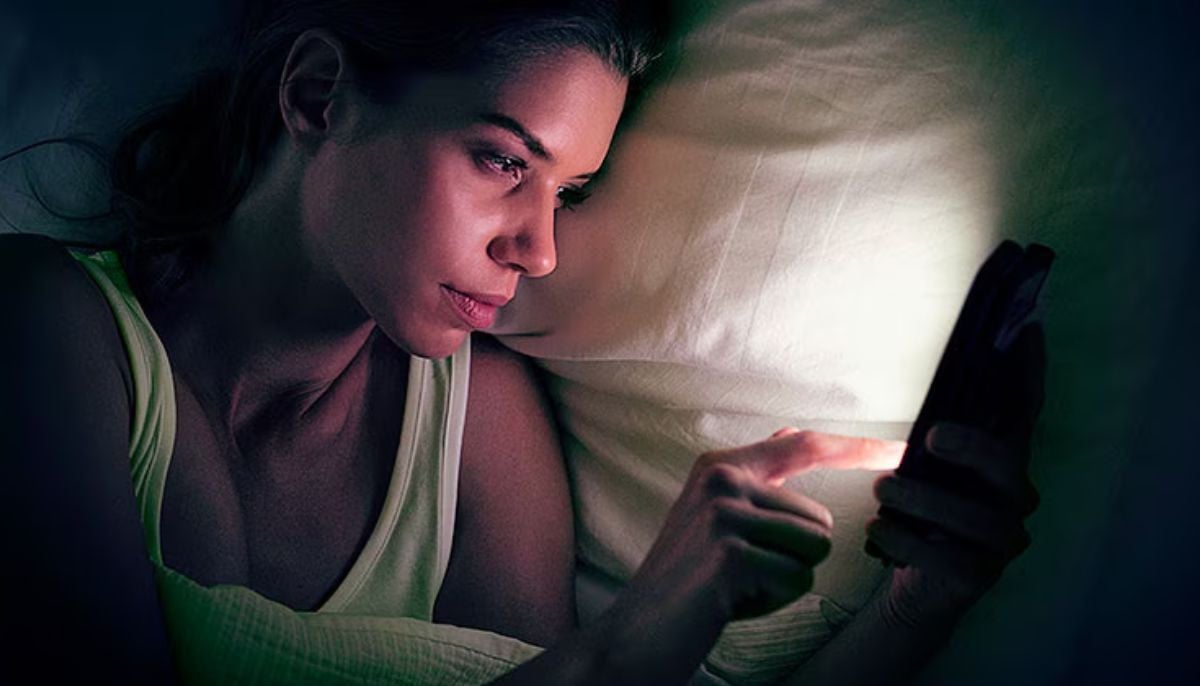
According to a new study, a link between exposure to low-intensity light at night and susceptibility to higher-intensity compact fluorescent lighting during morning hours was found to be associated with depression.
According to Medscape, the research particularly indicates that this light may have increased cortisol levels throughout the day and lessened total sleep time in healthy individuals, replicating findings in patients with depression.
Intriguing procedure was conducted incorporating several participants
20 healthy participants (mean age 24.5 years; 50% women) were randomly assigned to exposure to dim light radiant lighting (2700 K, 55 lux, 12 melanopic lux) in the research study.
On the contrary, higher-intensity fluorescent lighting (3500 K, 800 lux, 481 melanopic lux) was applied for approximately 4 hours over six mornings in 2011.
The sleep variables were measured to determine cortisol and melatonin levels. The research study was completed by participants, and scale ratings were used to access sleepiness and depression.
Key conclusions from the research study
- The low-intensity luminous lighting during pre-midday hours was associated with significantly elevated urine cortisol levels in the evening (P=.004) and corticosteroid saliva in the afternoon (P = .03) as compared to exposure to higher-intensity fluorescent lighting.
- Secondly, it was observed that low-intensity lighting was directly linked to a reduction of 25 minutes compared to baseline (P = .02) and a significant shift in slow-wave activity to later in the night (P = .02).
- Fluorescent lighting with high intensity was linked with burgeoned REM sleep duration in the second half of the night compared to baseline (P=0.2) and a significant shift in delta waves to later in the night (P = .02).
- Participants were subdued and reported significantly higher subjective sleepiness and sadness as there were no substantial discrepancies in melatonin levels between groups.
In this connection investigators said, “Integrating natural daylight or bright artificial light into schools, workplace, and residential could ameliorate this vulnerability.”
Constraints of the study
The study had a small sample size and limited statistical power. The investigators had no control over the light environment outside the laboratory.
Further cortisol and melatonin levels in urine did not provide accurate results because they could not be corrected for creatinine levels, although the volume was measured.
The research study concludes that darkness is an essential biological requirement for optimal health, and even at low intensity, it results in endocrine disruption, thus undermining the stability necessary for retaining a stable mood.


-
 Sexually transmitted diarrhea spread in US, UK: Why antibiotics are failing against Shigella
 -
 Who is Song Li? China puts her forward for WHO leadership role
 -
 CDC monitors travelers from Siberia after plague worker’s death, director says
 -
 Russia pushes back on plague death reports, defends WHO notification
 -
 WHO deems Russia plague risk 'low' following lab technician’s fatal illness
 -
 New York declares Measles state of emergency amid nationwide disease resurgence
 -
 First-of-its-kind treatment shrinks unborn baby’s tumour before birth
 -
 France steps up Ebola support in Congo as fears of resurgence grow