10 ways to keep your scalp healthy through the winter
Healthy scalp is essential for healthier and shinier hair
As winter arrives, dry, cold weather not only wreaks havoc on the skin; the scalp also gets heavily affected, mainly due to dry weather, low hydration, continuous use of itchy winter hats, and various other factors. Many hydrate their skin with different types of moisturizers and creams, but the scalp gets neglected, and to keep it healthy throughout the winter, certain measures need to be taken. This article provides some useful tips to keep your scalp healthy during colder months.
1. Hot Oil Treatment
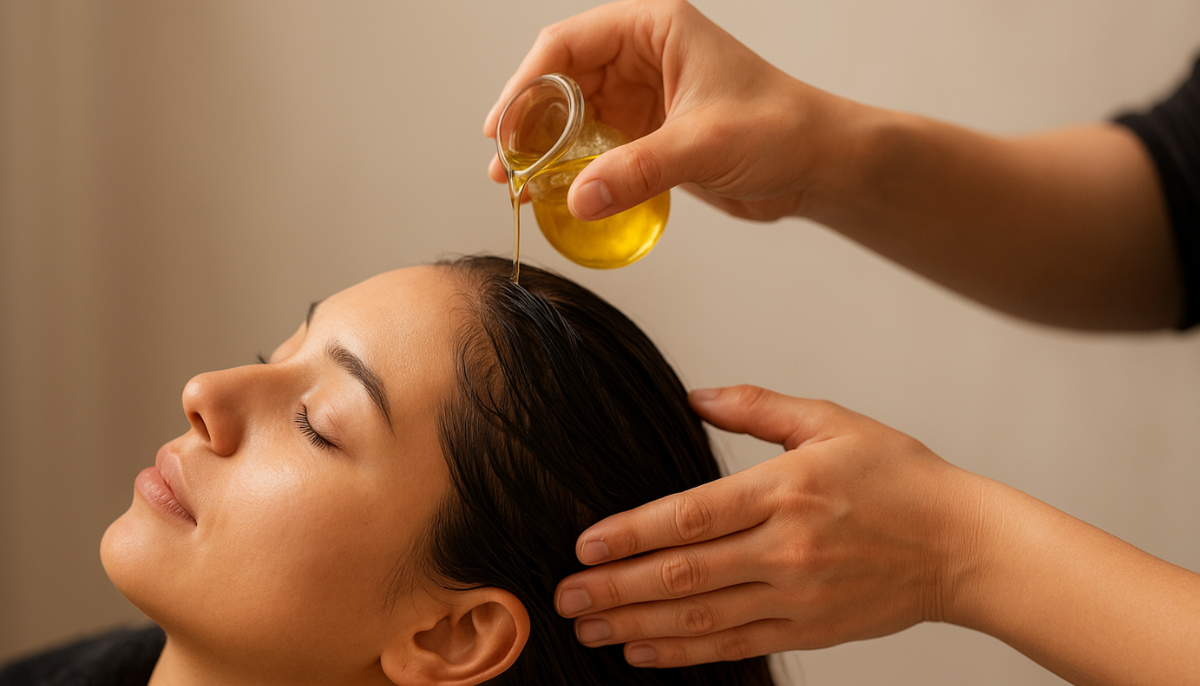
In this treatment, warm oils open the cuticles, which amplifies the absorption for deep nourishment and moisturization. This centuries-old treatment strengthens the scalp by reducing dryness, frizz, and breakage.
2. Scalp Massage
_updates.jpg)
With increased blood flow, this method nourishes follicles, addresses dryness and deals with dandruff. It also grants relief from stress and provides shinier, healthier roots.
3. Exfoliation
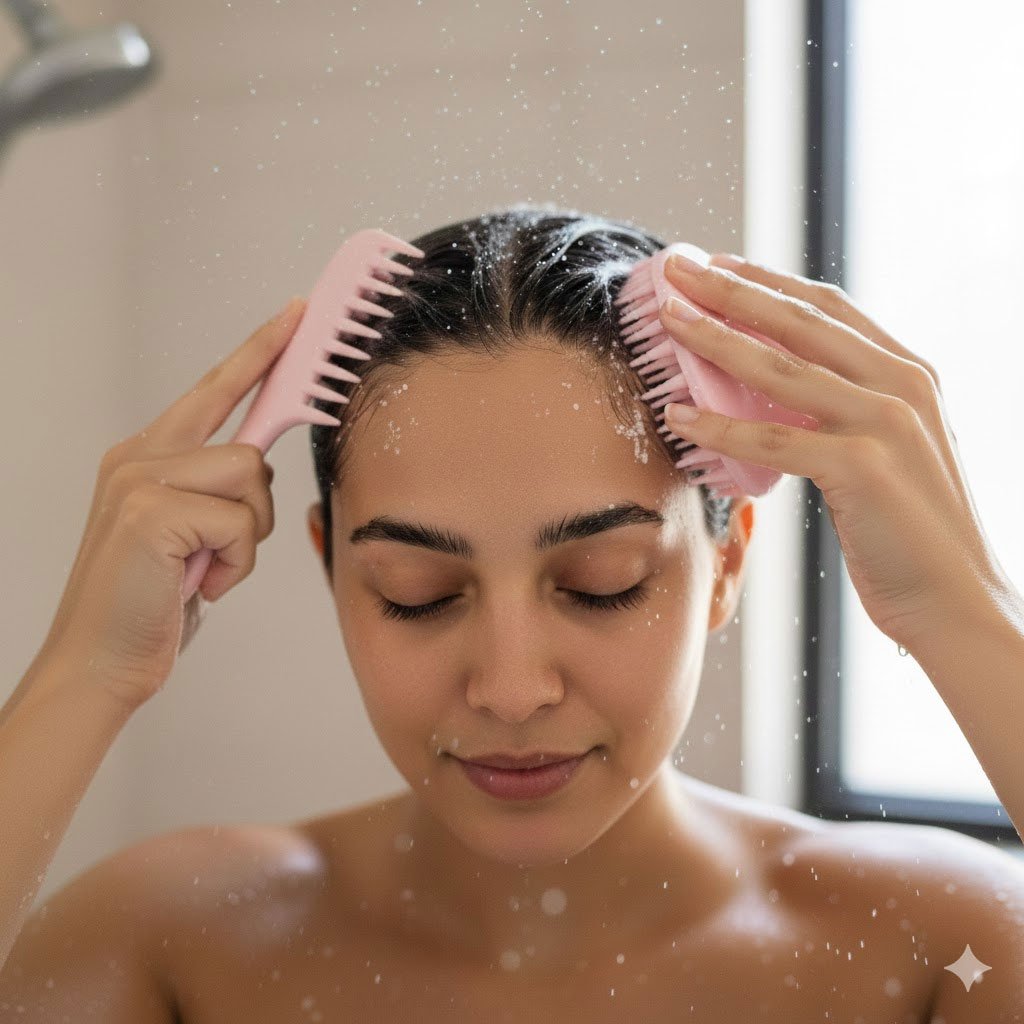
This process helps remove the buildup of excess oil, styling products, sweat, and dead skin cells that clog hair follicles. It regulates oil production, providing ease from dry, flaky, and itchy scalp.
4. Avoid Hot Shower
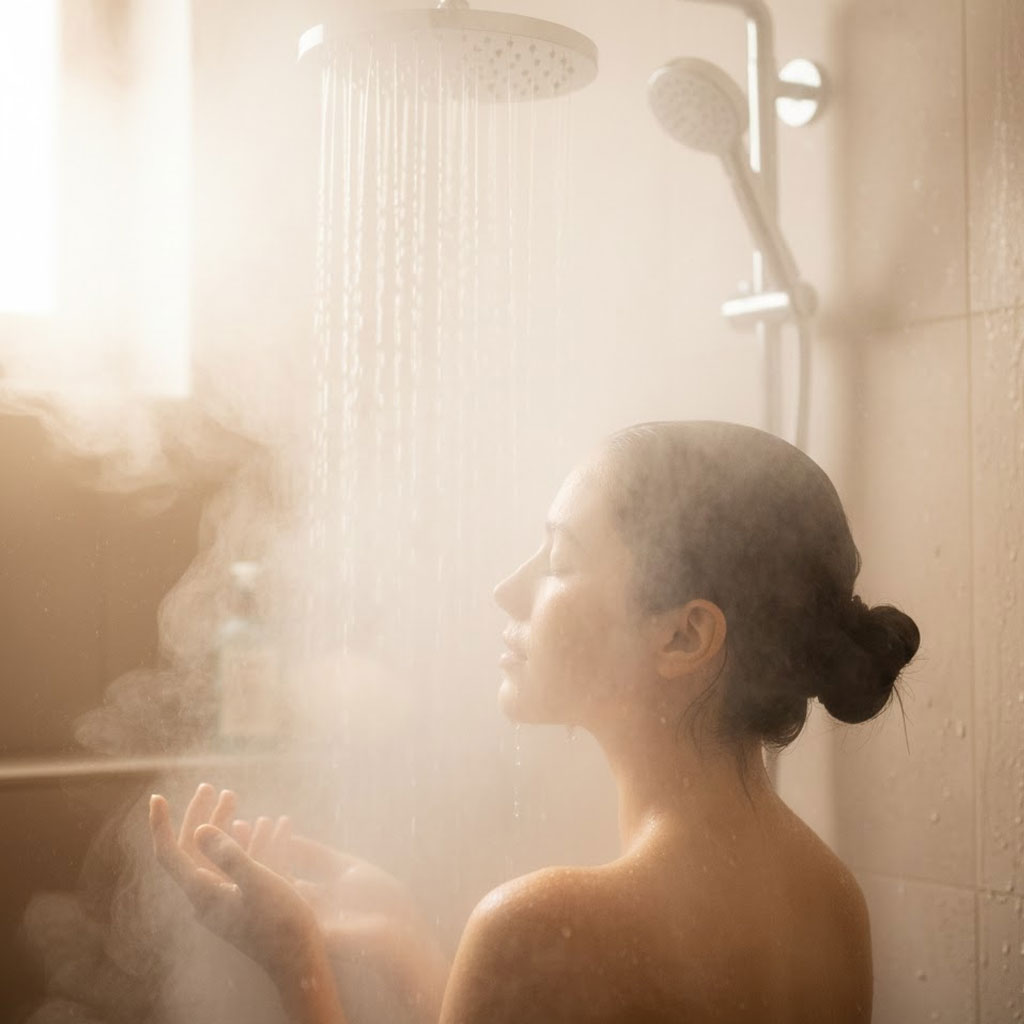
Hot shower damages the scalp, making it drier and more prone to irritation. Despite craving a hot shower on a cold winter day, prefer washing your hair with lukewarm water and moisturizing shampoos and conditioners. A good shampoo and conditioner work perfectly together to lock in moisture, keeping the scalp healthy.
5. Using Sulphate-Free Shampoos and Conditioners
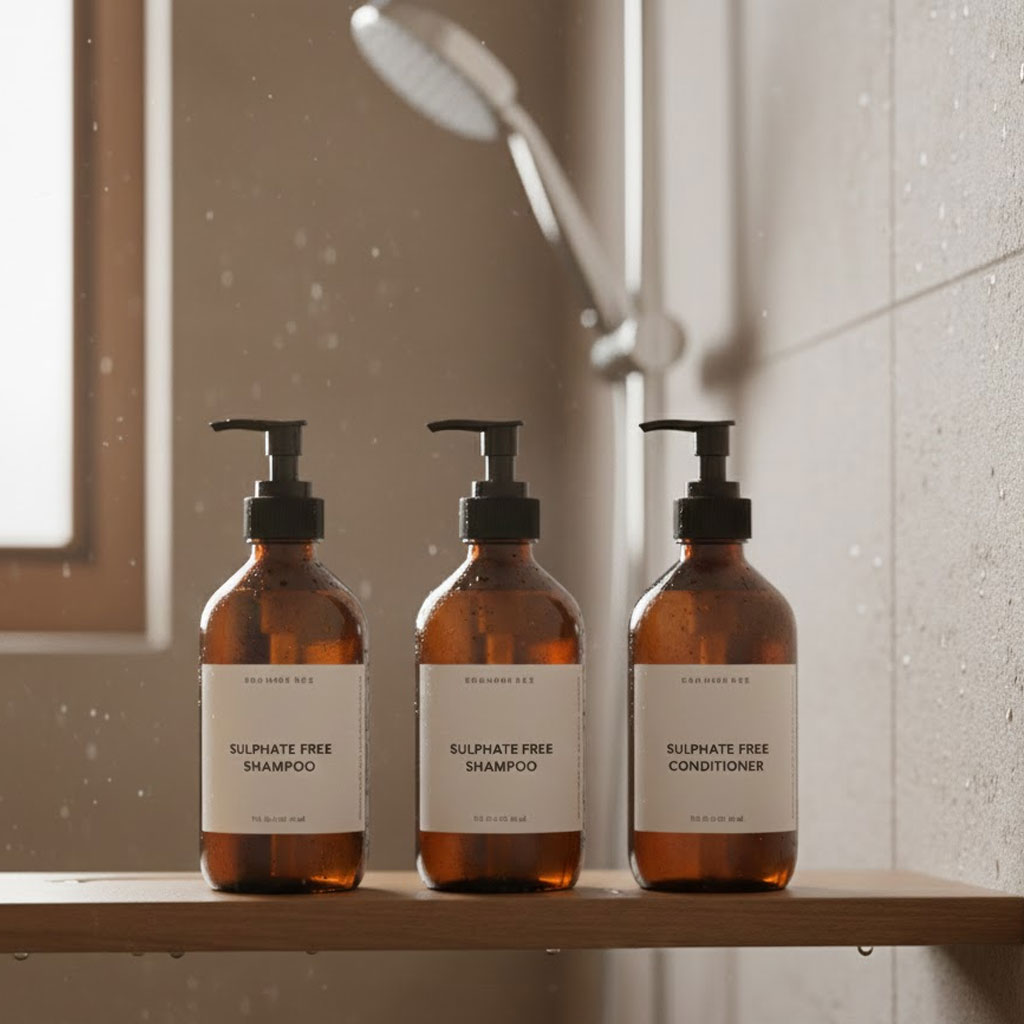
Switching to sulphate-free shampoos and conditioners can do wonders for your scalp, as they are gentle and help mitigate the risk of inflammation, dryness, and breakage by keeping the scalp’s pH balanced.
6. Gentle Brushing
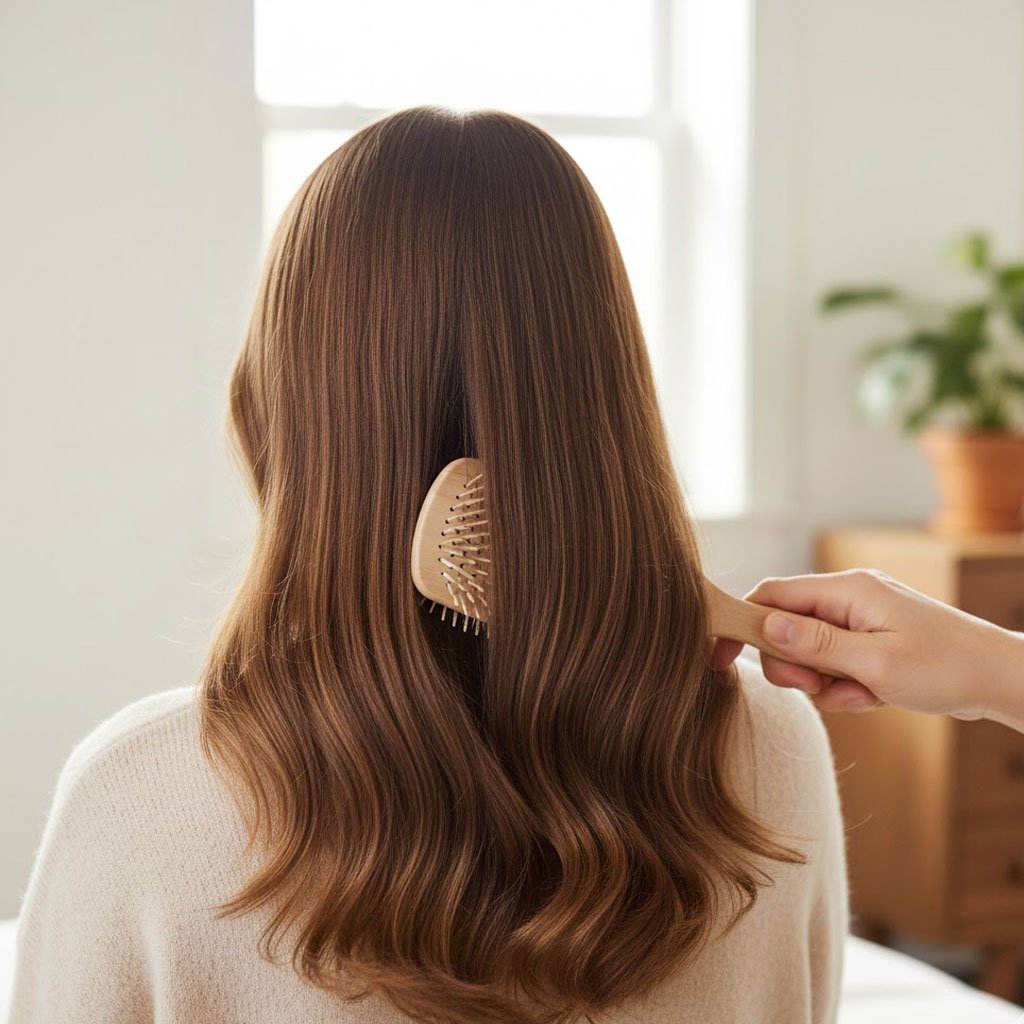
Being easy on hair while brushing prevents breakage, especially when it is wet, as it becomes more fragile.
According to dermatologist Wilma Bergfeld, MD., “You should treat your hair like a cashmere sweater.
“The first rule of thumb is to limit how often you beat it up by scorching it with an iron, overheating it with a dryer or using a caustic chemical on it. Remember, hair is a fiber,” she said.
7. Hydration

Adequate intake of water in winter counterbalances the effects of low humidity and extremely dry weather. The chilly season pulls natural moisture from the scalp; however, a well-hydrated scalp, with its protective barrier, combats common issues caused by harsh weather.
8. Balanced Diet
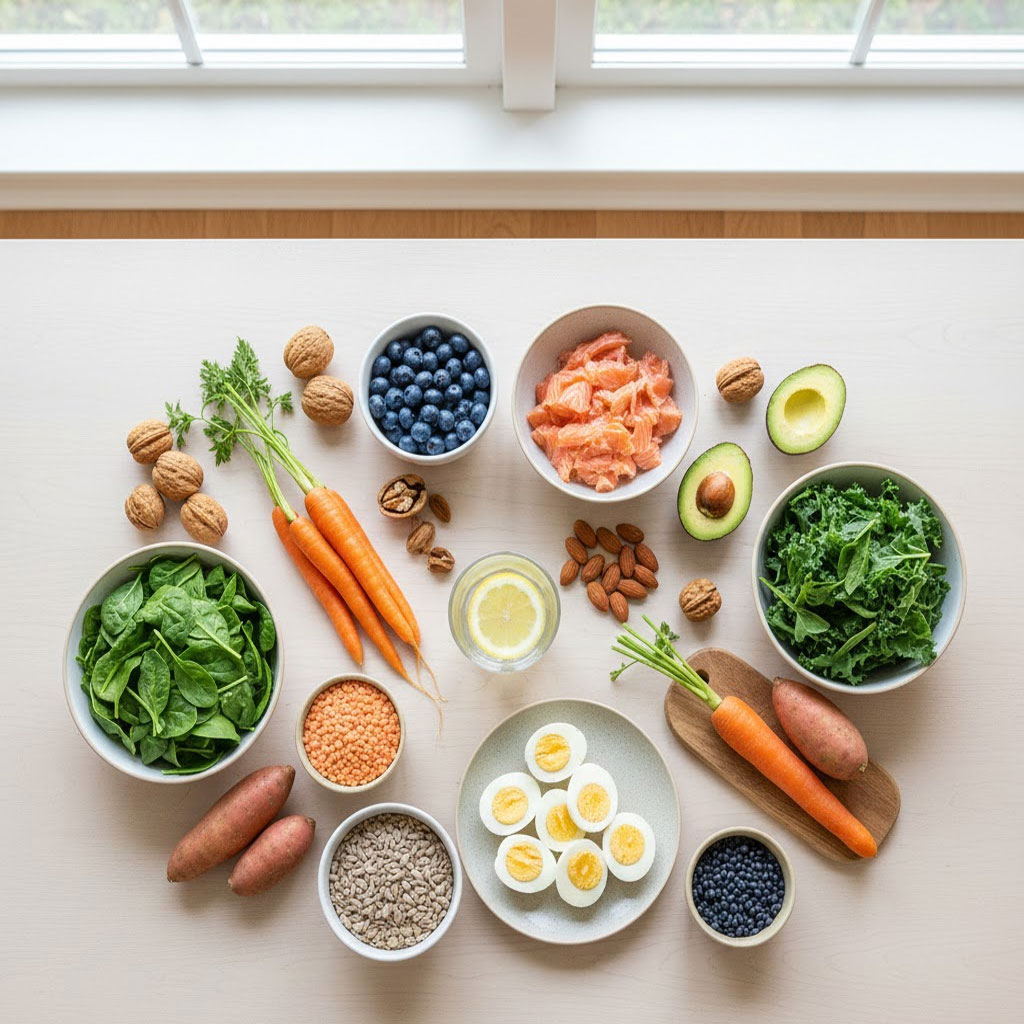
The body prioritises major organs over the scalp, which strips it of its nutrients, so consuming a diet rich in leafy vegetables, nuts, fish, and fruits nourishes the scalp from within.
9. Use a Humidifier

Keeping a humidifier within reach helps retain moisture in the air, which attenuates the chances of a dry, irritated, and flaky scalp. Optimal moisture calms conditions like psoriasis and eczema on the scalp, which are aggravated in winter, and augments hair elasticity.
10. Sun Protection

The scalp is also susceptible to sunburn, just like the skin on the rest of your body, and direct exposure to ultraviolet rays and heat can lead to rough texture, redness, and flaky patches. Although hair provides protection, prolonged unprotected stays in the sun dehydrate the scalp, weakening hair follicles and increasing the risk of skin cancer. Avoid staying in the sun: use caps, scarves, and sun protection products to avert risk.


-
 Study identifies key cause of fatigue and brain fog
 -
 Apple’s screenless fitness tracker plans revealed: What to know
 -
 Rabies concerns grow in US, sparking health warnings over fatal virus
 -
 This popular cooking garnish may offer surprising benefits for brain health
 -
 Was the human brain once two separate organs? Scientists find new clues
 -
 Novo Nordisk partners with Anthropic to accelerate AI-powered drug discovery
 -
 Congo Ebola outbreak reaches turning point as daily infections fall
 -
 Study reveals why some babies are born with heart defects
-
 Third measles-associated death reported as Pennsylvania outbreak reaches 676 cases
 -
Cyclosporiasis outbreak: US officially ends largest outbreak linked to contaminated lettuce
-
Hot beverages increase risk of cancer? New research provides in-dept details
-
Highest-level recall issued for potato chips over banned ingredient posing death risk