AI frenzy is driving memory chip supply crisis globally
Global AI spending reaches $1.5 trillion in 2025, exceeding $2 trillion by 2026, fueling demand for high-performance chips, data centers, and widespread applications, reports WEF

Rising demand for artificial intelligence infrastructure is creating a significant shortage of memory chips.
According to World Economic Forum, Global AI spending is projected to reach $1.5 trillion in 2025 and exceed $2 trillion by 2026,fueling demand for high-performance chips, data centres and widespread applications.
A global shortage of memory chips is forcing artificial intelligence and consumer-electronics companies to fight for dwindling supplies, as their prices soar for the most essential components that allow devices to store data.
As reported by Reuters, Japanese electronic stores have begun limiting shoppers to buy hard disks in quantity and Chinese smartphone manufacturers are warning of price increase.
Tech giants including Microsoft, Google and ByteDance are scrambling to secure supplies from memory-chip makers such as Samsung Electronics, Micron, and SK Hynix.
The supply chain shortage spans almost every type of memory, from flash chips used in USB drives and smartphones to advanced high-bandwidth memory HBM that feeds AI chips in data centres.
According to market-research firm TrendForce, prices in some segments have more than doubled since February 2025.
Tech firms had already warned about the shortage of memory chips amid AI boom, that helps with processing and storing information.
The market experts explained that the fallout could reach beyond tech and many economists and executives warn the protracted shortage risks slowing AI-based productivity gains and delaying hundreds of billions of dollars in digital infrastructure.
As per Reuters, this fallout could also add inflationary pressure just as many economies are trying to tame price rises and navigate U.S. tariffs.
CEO Greyhound Research, Sanchit Vir Gogia-a globally award-winning technology firm said, “The memory chips shortage has now graduated from a component-level concern to a macroeconomic risk and the AI build-out is colliding with a supply chain that cannot meet its physical requirements.”
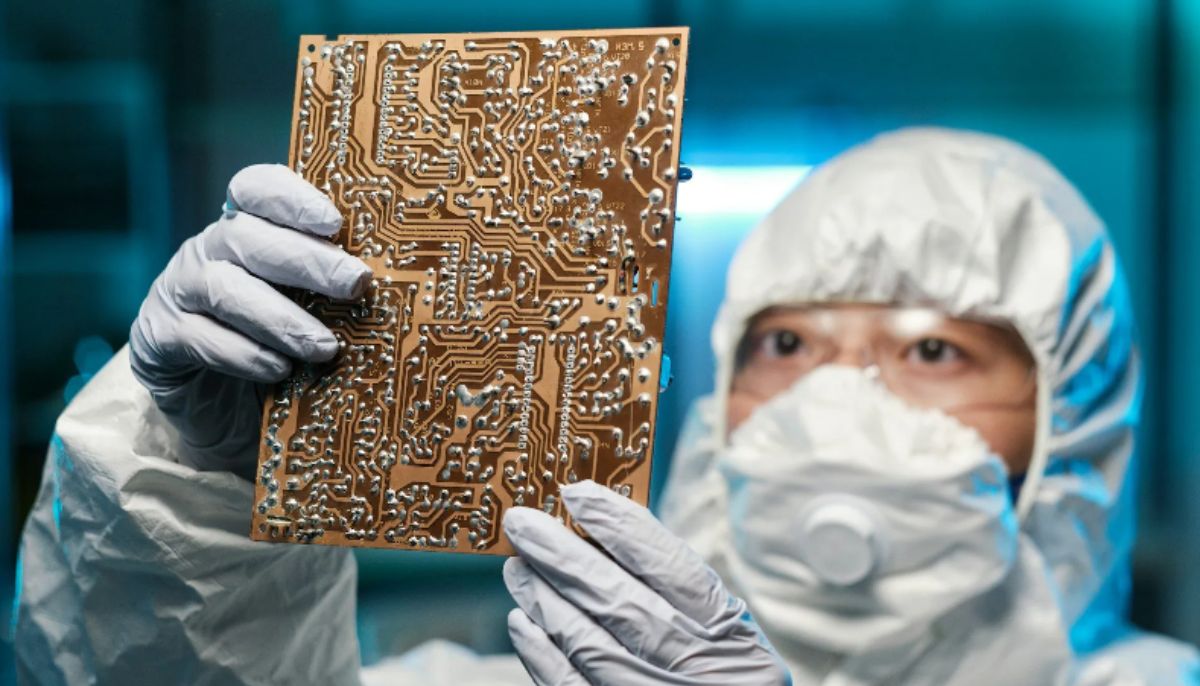
How AI data centres have increased global shortfall of memory chips
As AI data centres consume increasing volumes of high-bandwidth memory, supplies of conventional DRAM and NAND chips used in consumer devices have tightened, putting pressure on manufacturers already facing elevated component costs.
Chipmakers have prioritised high-value AI orders, diverting production capacity away from standard memory categories that underpin phones, personal computers and vehicle systems.
Google, Amazon, Microsoft and Meta in October 2025 asked Micron for open-ended orders, telling the company they will take as much as it can deliver, irrespective of price.
Chip making firm, SK Hynix has also informed tech analysts that the memory shortfall would last through late 2027.
"These days, we're receiving requests for memory supplies from so many companies that we're worried about how we'll be able to handle all of them and if we fail to supply them, they could face a situation where they can't do business at all,” said Chey Tae-won, chairman SK Hynix at an industry forum.
Industry reports indicate that inventory levels at device manufacturers have fallen sharply, while prices for key memory components have surged.
Analysts warn that persistent shortages could disrupt product-launch cycles and lead to higher retail prices if supply constraints continue into next year.
Moreover, the situation highlights how the shift towards AI-optimised hardware is reshaping the broader semiconductor landscape, concentrating resources in data-centre applications at the expense of traditional consumer markets
As AI deployment accelerates worldwide, the resulting supply imbalance signals that future shortages may extend beyond niche components to affect entire product categories.
Furthermore, the memory chip shortage episode, marks another turning point in the semiconductor cycle.
In addition to that, the durability of the disruption will depend on how quickly chipmakers expand capacity and whether consumer-orientated production can compete with the scale and profitability of AI-driven demand.


-
 US politician slams Sam Altman over 'accept some bad things happening' remark
 -
 Italy antitrust regulator opens investigation into AI music startup Suno
 -
 Smart glasses face bans over privacy concerns: Full list of countries
 -
 Mistral AI new model beats Chinese competitors in cybersecurity, claims CEO
 -
 UK regulator probes Meta over child safety risks in Instagram's 'Instants' feature
 -
 OpenAI admits ‘not good enough’ response to Australia government hacks
 -
 Meta, TikTok and X challenge UK watchdog over safety data: What to know
 -
 Norway proposes temporary ban on AI glasses in public spaces over privacy fears