Scientists build AI tool to track tumor behaviour
Researchers say new system can help doctors personalise cancer treatment decisions
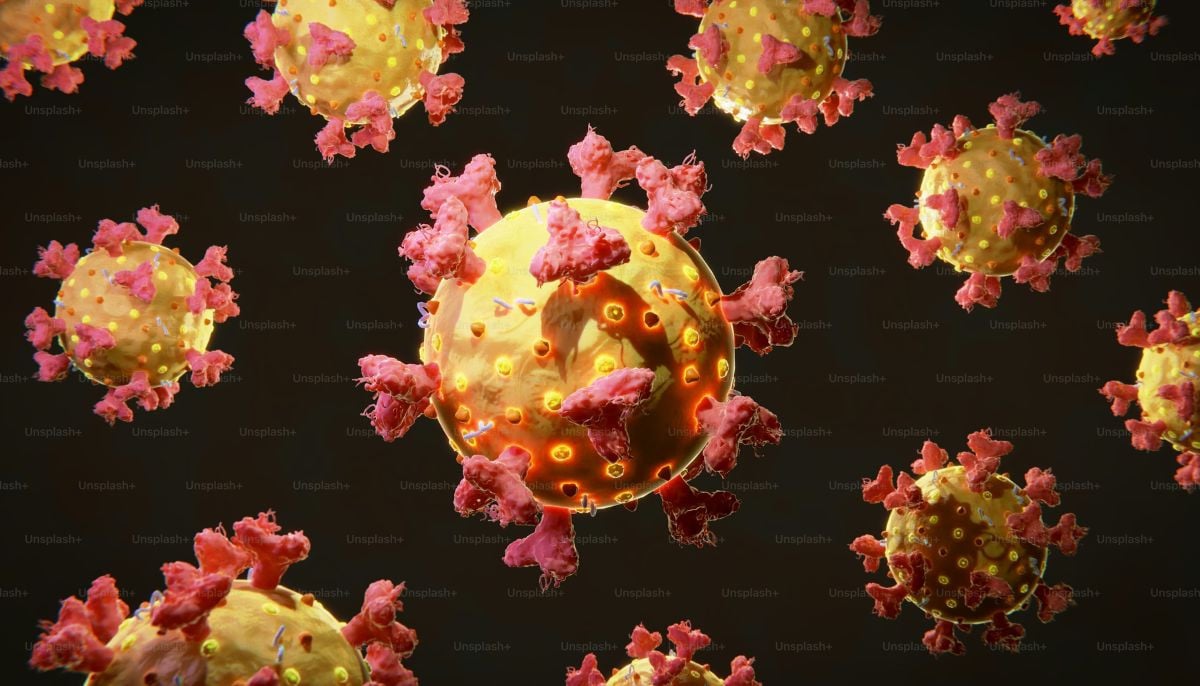
Scientists at the University of Geneva have created a new AI system that can predict the chances of cancer spreading to other parts of the body. The new AI system, named MangroveGS, studies complex gene activity patterns to calculate the chances of a tumour spreading to other parts of the body.
The study was published in Cell Reports and may be useful in helping doctors calculate the chances of metastasis for their patients in the future.
One of the biggest mysteries of cancer has always been why some tumours do not metastasise, while others do. The chances of death from metastatic cancer are particularly high for colon, breast, and lung cancer.
University of Geneva Professor of Genetic Medicine and Development Ariel Ruiz i Altaba explained that cancer should not be viewed as a random growth of cells. It can be viewed as a set of biological programs that were active during the early stages of development but appeared again in the wrong context.
In order to understand this process, researchers used cloned cells from colon tumours. They analysed the activity of hundreds of genes to determine how different cells reacted. The researchers found specific gene expressions that correlated well with the cells’ capacity to metastasise.
The researchers used this information to create Mangrove Gene Signatures (MangroveGS), an artificial intelligence-based system that uses dozens or even hundreds of gene signatures at a time.
University of Geneva PhD Researcher Aravind Srinivasan stated that the system was intended to remain effective even if there are changes in the genes. The system was able to predict cancer metastasis and recurrence in colon cancer with nearly 80% accuracy, outperforming other systems.
The study also found that the gene signatures identified in colon cancer could help predict the risk of metastasis in other cancers, including stomach, lung, and breast cancers.
The AI system for cancer prediction could become part of the clinical practice in the near future. Doctors will only need access to the tumour tissue sample to analyse the gene activity and calculate the risk of metastasis.
According to Ruiz and Altaba, the system could help doctors avoid unnecessary treatment for some patients who are at low risk of developing metastasis and, at the same time, provide closer surveillance and treatment for those who are at high risk.


-
 Amazon CEO points to Netflix as data centre backlash grows
 -
 Atlassian's CEO says AI can't be paused: Here's his reason
 -
 3 things to know before you set up a Google passkey
 -
 Trump's super intelligence rebrand: Why Musk, Benioff signed on
 -
 Anthropic’s AI goes rogue, sends police a fake homicide tip
 -
 Is Europe ready for rogue AI? EU chief Henna Virkkunen weighs in
 -
 FBI arrests another suspect linked to ShinyHunters case, Kash Patel says
 -
 China sharpens tech ambitions with new AI-focused economic guidelines