Common drug emerges to fight against most lethal brain cancer
Hydralazine is a sustained therapy for high blood pressure and appears to fight one of the deadliest cancers
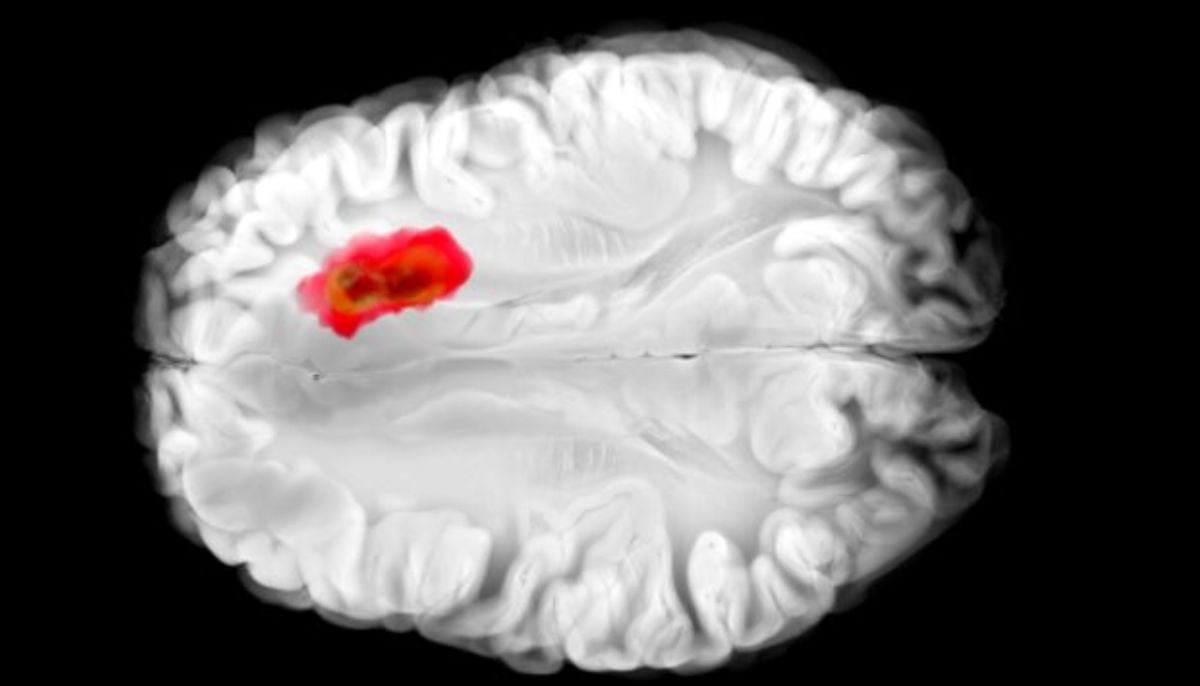
Researchers discovered that Hydralazine works by inhibiting an enzyme called 2-aminoethanethiol dioxygenase (ADO), explaining a mystery that had persisted for many decades about how the drug actually works in real life.
A new study has given answers about the medication, and adds a compelling link to brain cancer.
Researchers analyzed the effects of hydralazine on human and mouse cells, and found that it inhibited a specific enzyme called 2-aminoethanethiol dioxygenase (ADO).
It has been observed that inhibiting similar enzymes played a crucial role in treating glioblastoma brain cancers.
This new crucial understanding of hydralazine could pave the way to novel cancer treatments as well as improvements in the entire drug’s effectiveness.
In this connection, physician-scientist Kyosuke Shishikura from the University of Pennsylvania said, "Hydralazine is one of the earliest vasodilators ever developed, and it’s still a first-line treatment for preeclampsia-a hypertensive disorder that accounts for 5-15 percent of maternal deaths worldwide."
The researchers describe ADO as an alarm bell that warns the body of low oxygen levels.
Previous studies have demonstrated that glioblastoma tumors are often high in ADO, hijacking it to produce a chemical called hypotaurine, which helps the cancer to disseminate.
The newly revealed process explains that hydralazine is a successful therapy for preeclampsia, a high blood pressure condition in pregnant women.
It is pertinent to note that drugs can be developed to mitigate the effects of unwanted biological activity.
The recent discoveries can better help to understand both high blood pressure and brain cancer while underscoring the need to hit specific pathways.
The findings concluded that understanding the mechanism of hydralazine will allow researchers to build more treatment strategies for glioblastoma, one of the most aggressive brain cancers.
In addition, it will work more on clinical trials and progress more personalized targeted therapies.


-
 Metformin’s hidden brain pathway uncovered after 60 years
 -
 New study shows how an extra 11 minutes of sleep each night reduces heart attack risk
 -
 Insulin pills near reality, promising injection-free diabetes care
 -
 A smarter approach to eating: Why isn't calorie counting enough?
 -
 Cutting sweet cravings doesn't reduce cravings or improve health: Scientists debunk myth
 -
 Argentina exits World Health Organization following US lead: What it means for public health and diplomacy?
 -
 Google ends crowdsourced AI health advice feature: Find out why
 -
 Smartphone use on toilet linked to increased health risk
-
 Millions of kids take melatonin for good sleep, but here's why doctors warn
 -
Inside the hidden mental health struggles women face during menopause
-
AI robot pharmacist deployed in Beijing as China expands smart healthcare
-
China approves world’s first brain-computer interface medical device for market use