Prediabetes can be reversed within 2 years, study claims
Diabetes takes millions of lives every year, reports WHO

Diabetes is the most common disease worldwide with almost 830 million people having diabetes across the globe as per World’s Health Organization (WHO) recent survey in 2024.
It is considered as the growing health issue leading to millions of deaths every year and prediabetes has also become an increasingly important area of focus in public health, largely as it sits between normal metabolic function and type 2 diabetes.
Prediabetes is defined by the medical condition where raised blood glucose levels that fall short of the diagnostic threshold for diabetes yet indicate a shift in how the body processes sugar.
A recently published study claims that pre-diabetes, a forerunner to Type 2 diabetes can be reversed within 2 years through sustained lifestyle change.
A decade-long retrospective cohort study from an urban community published in Journal of Diabetes and Metabolic Disorders examined how prediabetes progressed in real-world conditions.
According to the new study urban lifestyle, high stress and sitting for extended hours are the three major factors that contribute to increased glucose levels.
It underlines that few modest improvements in diet, sleep and activity allow the body’s metabolic flexibility to restore healthy glucose regulation, highlighting the power of long-term habits over quick fixes.
Medical experts explain that people who increase physical activity, their muscles become more capable of pulling glucose out of the bloodstream.
In addition to that, long-term improvements in diet can also reduce stored fat in the liver, lowering insulin resistance-supporting the pancreas to produce insulin more efficiently.
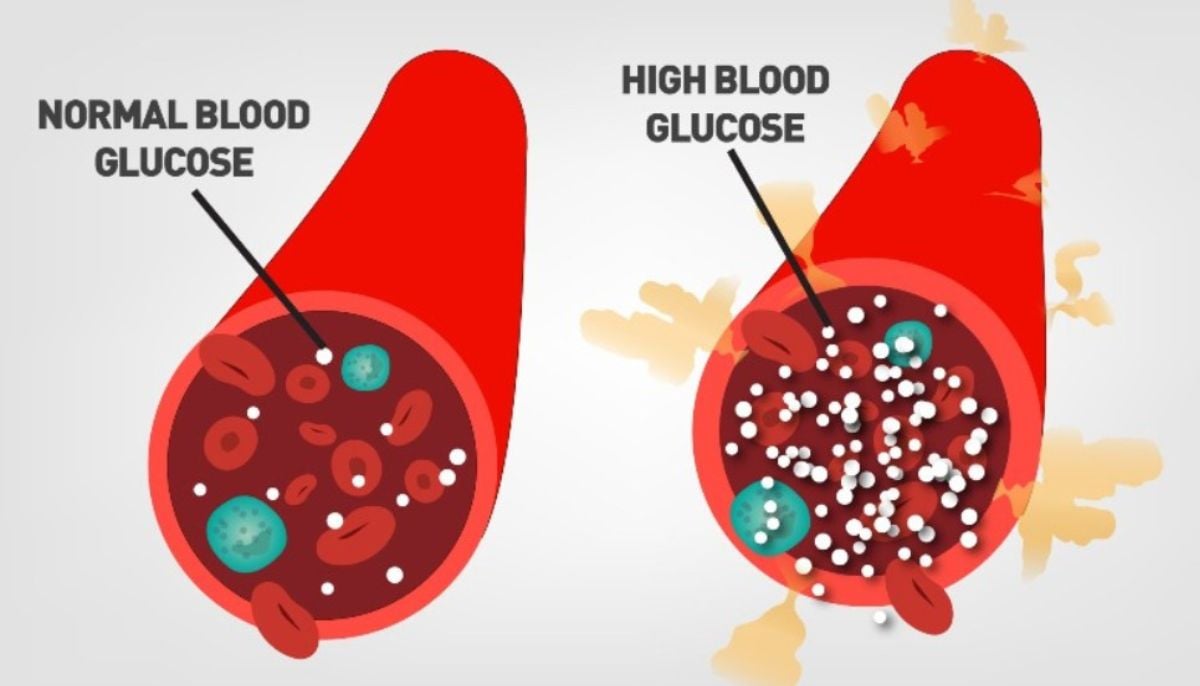
The study also suggests that by reducing excess calorie intake, improving sleep and incorporating moderate movement across the week, glucose fluctuations become less severe and insulin production faces less pressure as these shifts allow pancreas and liver to adjust gradually rather than react to constant metabolic stress.
The recovery in this case often seems slow and may involve extended periods where progress feels gradual, although the internal changes accumulate steadily over months.
This whole mechanism shows that even early metabolic strain can be reversed when the body receives repeated cues through daily habits, helping restore glucose control, ease insulin demand and support long-term metabolic healing through practical lifestyle adjustments.
The results demonstrated that the consistent efforts can reverse the pre-diabetic condition within 2 years by following few basic rules.


-
 Scientists discover hidden drainage route at the back of the eye
 -
 WHO confirms death at Russian research lab, says no plague case registered
 -
 Getting a $90 check from Social Security? Here’s why
 -
 Measles cases in US top 4,000 nationwide, CDC reports
 -
 Sexually transmitted diarrhea spread in US, UK: Why antibiotics are failing against Shigella
 -
 Who is Song Li? China puts her forward for WHO leadership role
 -
 CDC monitors travelers from Siberia after plague worker’s death, director says
 -
 Russia pushes back on plague death reports, defends WHO notification