WHO advises counselling and medicines to combat obesity
WHO says it recommends using drugs to treat obesity for first time, calling it critical step toward developing global standard of care

LONDON: The World Health Organization (WHO) has said that obesity should be treated with a mix of medicines and counselling, stressing that it is not simply a matter of lifestyle choices.
In its draft guidance, the agency called for a fresh approach, recognising obesity as a chronic disease that needs proper medical attention.
The WHO’s expert committee concluded that the popular GLP-1 drugs, first developed by Novo Nordisk and Eli Lilly, are part of the solution for the long-term treatment of obesity for patients with a body mass index (BMI) of 30 or above, alongside counselling on lifestyle and behaviour changes.
Reuters first reported that the WHO was likely to take this step in May this year.
In the draft guidelines, which were published online and are open for consultation until September 27, the WHO said the response to obesity was often shaped by outdated views that frame it as a lifestyle issue. Instead, it said it was a "chronic, progressive and relapsing disease” that affects more than 1 billion people globally in both high- and low-income countries, contributing to millions of preventable deaths.
It recommended using the drugs to treat obesity for the first time, calling it a critical step toward developing a global standard of care. It is developing separate guidelines for treating children and adolescents.
While the WHO's draft guidelines only apply to people with a BMI above 30, in some high-income countries like the United States, the drugs are also recommended for people with a BMI of 27 to 30 and at least one weight-related medical condition.
Earlier this month, the WHO stopped short of adding the drugs as obesity treatments to its essential medicines list, a separate catalogue of the drugs that should be available in all functioning health systems.
It did add them for patients with type 2 diabetes - the disease they were originally developed to treat - combined with another health condition. The agency said this indicated which patients would most benefit from the costly therapies, adding that the high prices were limiting access to the medicines in low- and middle-income countries.


-
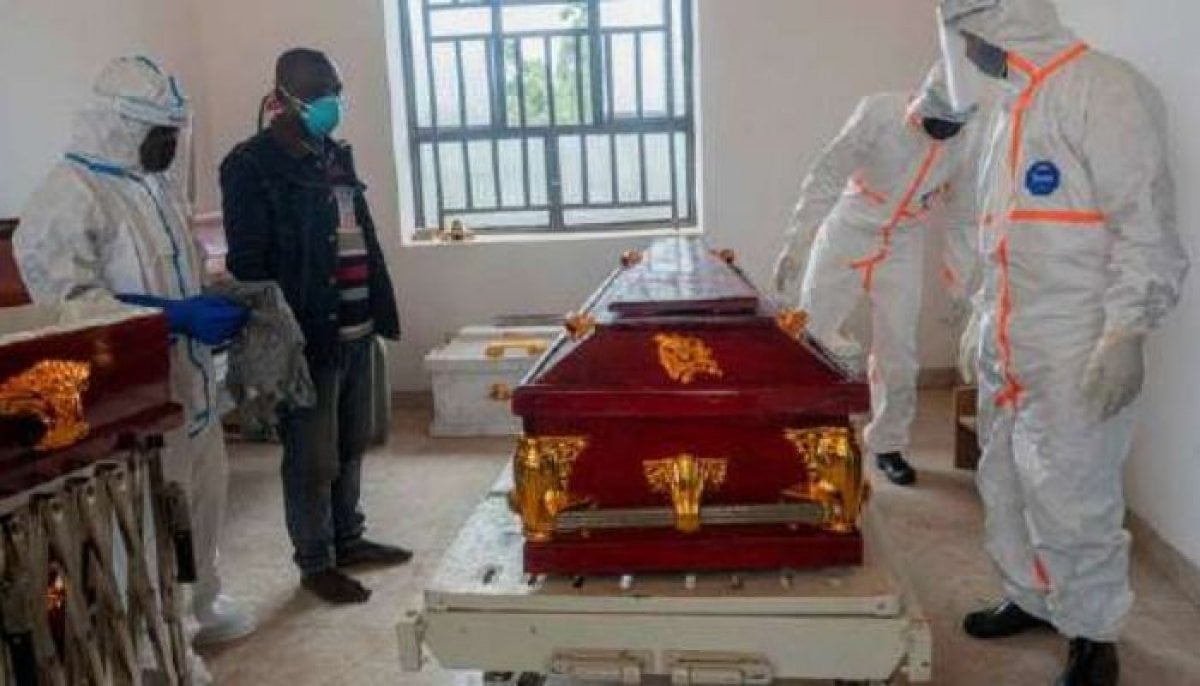 West Nile virus: Europe reports 141 deaths as human cases rise in 2026
 -
 Health Canada reviewing new mRNA flu vaccine that could prevent more hospitalisations
 -
 Scientists discover hidden drainage route at the back of the eye
 -
 WHO confirms death at Russian research lab, says no plague case registered
 -
 Getting a $90 check from Social Security? Here’s why
 -
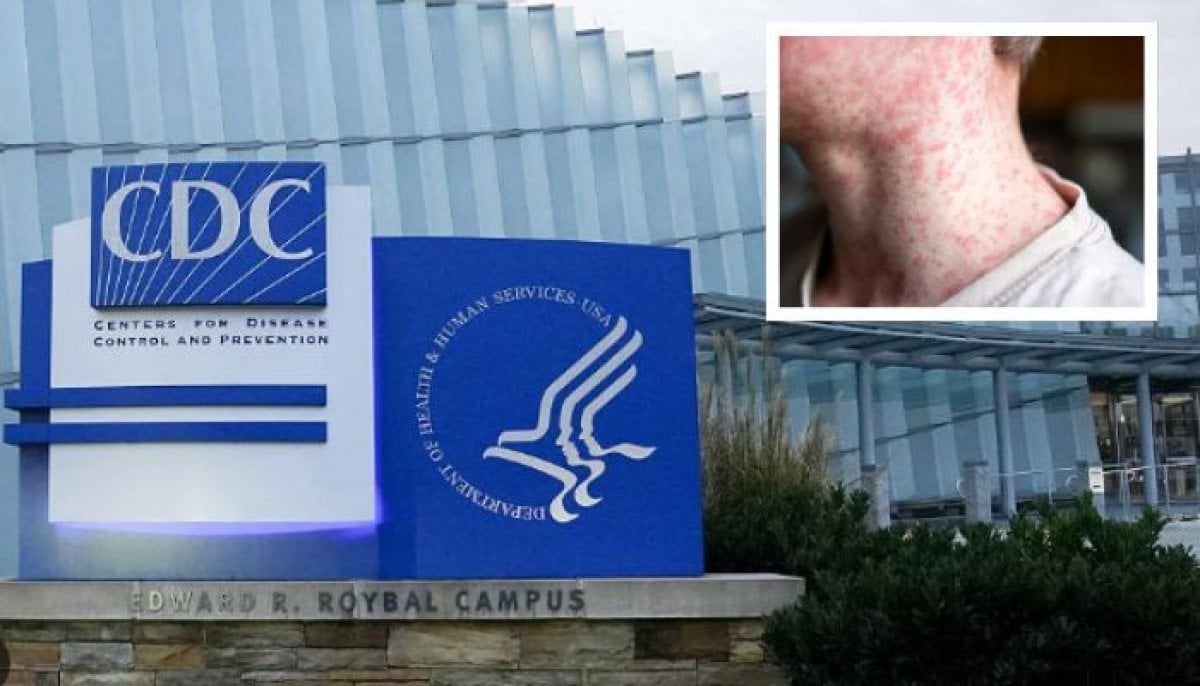 Measles cases in US top 4,000 nationwide, CDC reports
 -
 Sexually transmitted diarrhea spread in US, UK: Why antibiotics are failing against Shigella
 -
 Who is Song Li? China puts her forward for WHO leadership role
-
 CDC monitors travelers from Siberia after plague worker’s death, director says
 -
Russia pushes back on plague death reports, defends WHO notification
-
WHO deems Russia plague risk 'low' following lab technician’s fatal illness
-
New York declares Measles state of emergency amid nationwide disease resurgence