Record $5.3m sale of largest Mars rock ignites international feud
Niger has opened investigation into the record-breaking sale of Martian meteorite
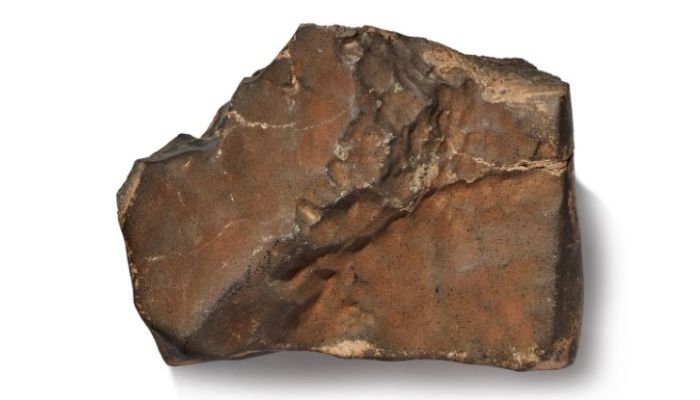
A Martian meteorite has become the centre of global attention as its sale grabbed $5.3 million from an anonymous bidder at a Sotheby’s auction on July 16.
Moreover, the record-breaking sale of the largest rock has also sparked controversy over its origins and legality of its exports.
Resultantly, Niger, the country where the Mars rock was initially found, has launched formal investigation into the circumstances surrounding the meteorite’s sale, considering it as “comparable to illicit international trafficking.”
To solve this enigma, the government has also suspended exports of valuable stones and meteorites until further notice.
In response to tight regulations, Sotheby’s rejected the accusations as baseless and explained that the meteorite “was exported from Niger and transported in line with all relevant international protocol.”
American palaeontologist Paul Sereno, who has worked closely with Niger authorities, issued a statement declaring the export of stone as illicit.
“Everybody’s anonymous, from the person who found it, the dealers, the guy who bought it, If they had put on baseball gloves and caught the meteorite as it was hurtling towards Earth before it landed in any country, they could claim it…but I am sorry, it landed there and it belongs to Niger,” Paul told AFP.
The massive 54-pound stone, known as NWA 16788, is the largest meteorite ever discovered on Earth, according to Sotheby’s listing. It crashed in 2023 in the vast Saharan desert.
Besides the legal battle and involvement in artefact trafficking, the meteorite also raises science ethics questions due to unique scientific research value. The rock could offer insights into the geological history of Mars.
Moreover, Niger has not yet enacted any law regarding the collection and regulation of meteorites, leading to further complications in the ongoing dispute.


-
 How did Brandon Clarke die?
 -
 Taylor Swift wins BMI Songwriter crown for third year in a row
 -
 Katseye announces world tour, sending internet into meltdown
 -
 Pete Davidson urged not to target Charlie Kirk in comedy set: Insider
 -
 Chyler Leigh, Nathan West call it quits after 24 years of marriage
 -
 Watch Kanye West's reaction to Pete Davidson's savage roast jab
 -
 Eileen Wang: Who is Democratic Party's mayor of Arcadia ?
 -
 Savannah Guthrie finally shares 'something joyful'