UN plastic talks must yield 'ambitious' treaty, urges leading expert
"I really hope negotiators can look next generation in the eye and say they acted decisively," says expert
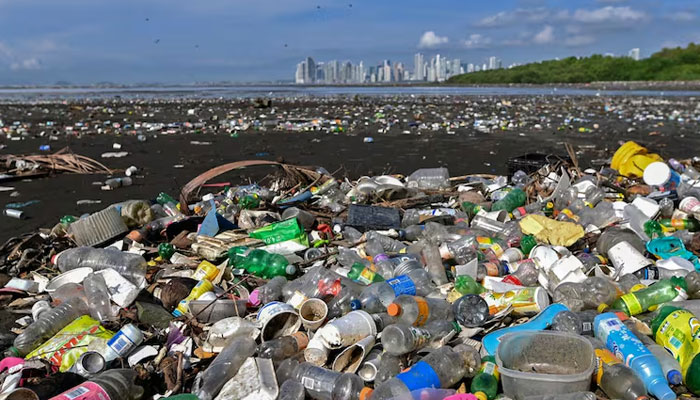
A leading expert has advocated for a strong international agreement as delegates from over 170 countries gather in Geneva for critical discussions on plastic pollution.
Professor Richard Thompson, renowned for coining the term 'microplastics', emphasised the urgency of decisive action to safeguard human health and the environment for future generations, The Guardian reported.
Thompson, who is attending the talks as the coordinator of the scientists' coalition for an effective plastics treaty, said: "It is really clear to protect future generations, we need to take decisive action now on a treaty to address plastic pollution. So I really hope negotiators can look the next generation in the eye and say they acted decisively."
His plea comes amid significant divisions among nations regarding the inclusion of legally binding limits on plastic production in the treaty.
Last November, negotiations in Busan, South Korea, failed to reach an agreement.
More than 100 countries support legally binding reductions, but nations with large fossil fuel industries, like Saudi Arabia, Russia, and China, are pushing for a treaty focused on better waste management and recycling.
The United States has also indicated support for a less ambitious agreement.
The urgency of the situation was underscored by a recent report warning that the world is in a "plastics crisis," causing disease and death and costing at least $1.5 trillion a year in health-related damages.
Plastic production has surged by more than 200 times since 1950 and is projected to nearly triple again by 2060. This growth is largely fuelled by the production of single-use plastic products, particularly for packaging and containers, The Guardian reported.
Globally, only 9% of plastic produced is recycled, and Thompson, whose work led to the United Kingdom's ban on microbeads in cosmetic products, said the evidence showed that plastic production needed to be reduced to tackle plastic pollution.
He believes a treaty must ensure that only essential plastics are produced, the thousands of chemicals used are reduced, and a circular economy of reuse is adopted.
Furthermore, Thompson noted that while some countries view production cuts as an economic threat, "business-as-usual is not sustainable.”
Graham Forbes, Greenpeace's head of delegation to the treaty negotiations, echoed this sentiment, saying: "Uncontrolled plastic production is a death sentence. The only way to end plastic pollution is to stop making so much plastic.
"World leaders must seize the opportunity in Geneva, stand up to the fossil fuel industry and take humanity's first step towards ending the plastics crisis and create a healthier, safer future for all."


-
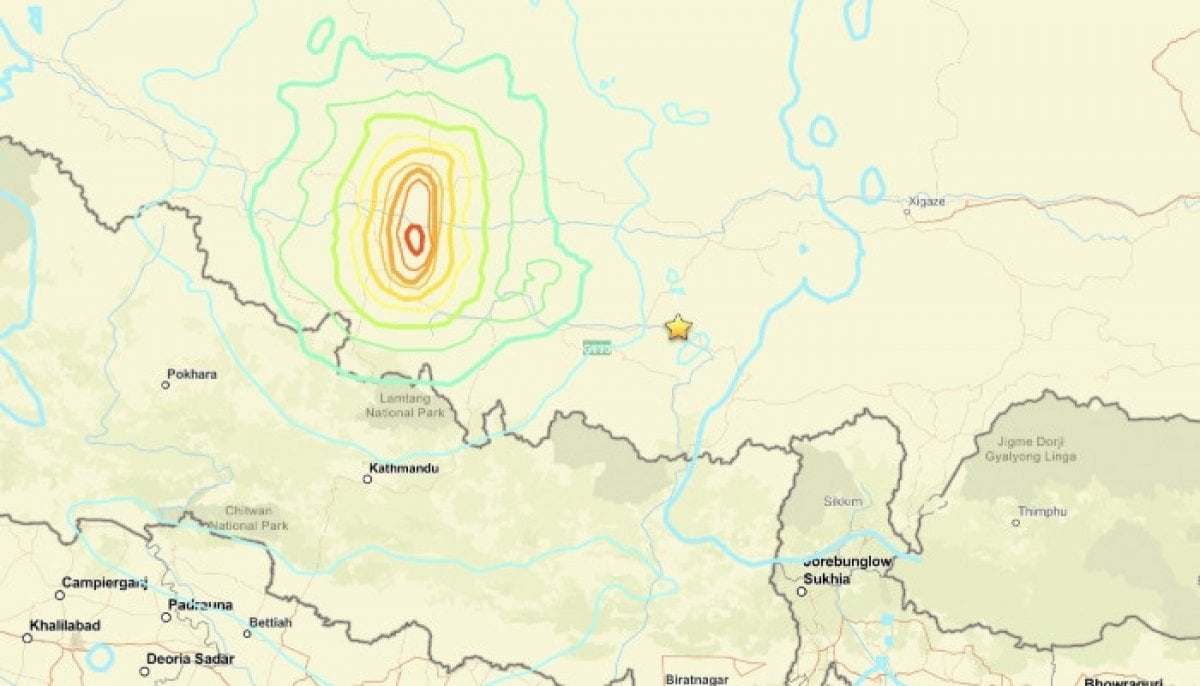 Magnitude 7.0 earthquake in Tibet kills 16 and destroys hundreds of homes
 -
 Ron Duguay, former New York Rangers forward, dies after cancer battle
 -
 Kathy Hochul gets campaign boost from NYC Mayor Zohran Mamdani ahead of midterms
 -
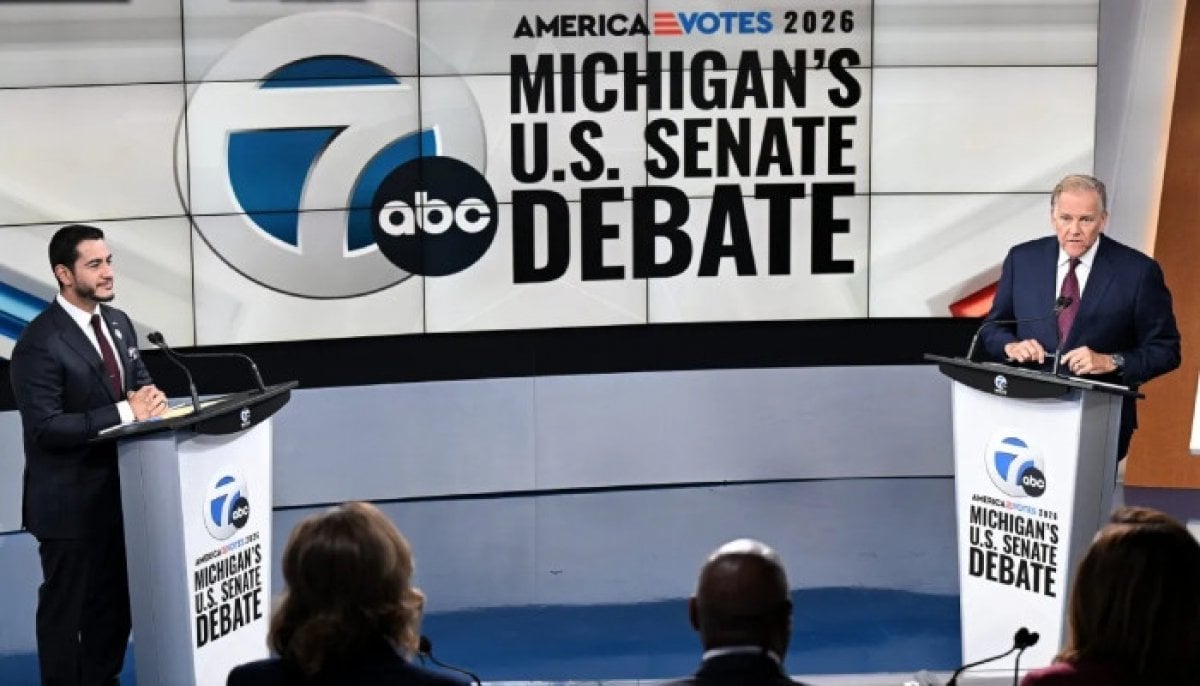 Abdul El-Sayed and Mike Rogers clash over Trump, patriotism in Michigan Senate debate
 -
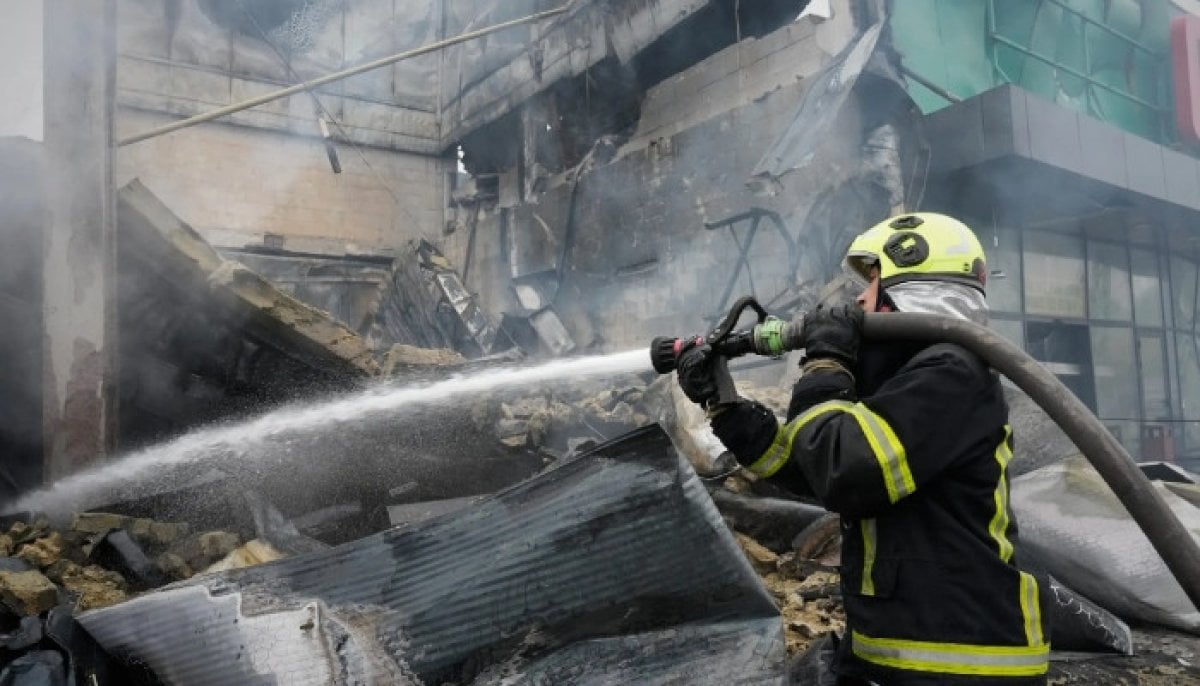 Russia attacks Kyiv hours after peace talks announcement, killing two and injuring 22
 -
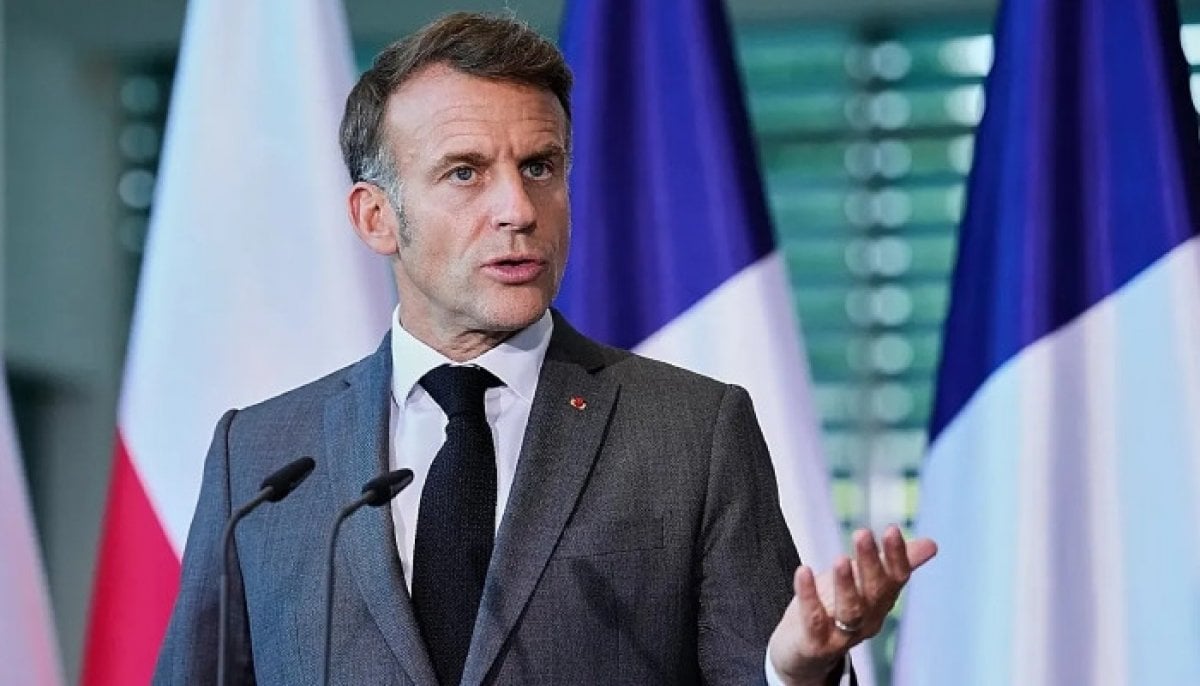 Macron vows to ban non-union protests, blames ultra-left groups as unrest grips France
 -
 Trump's massive DC arch could begin construction days after US midterm elections
 -
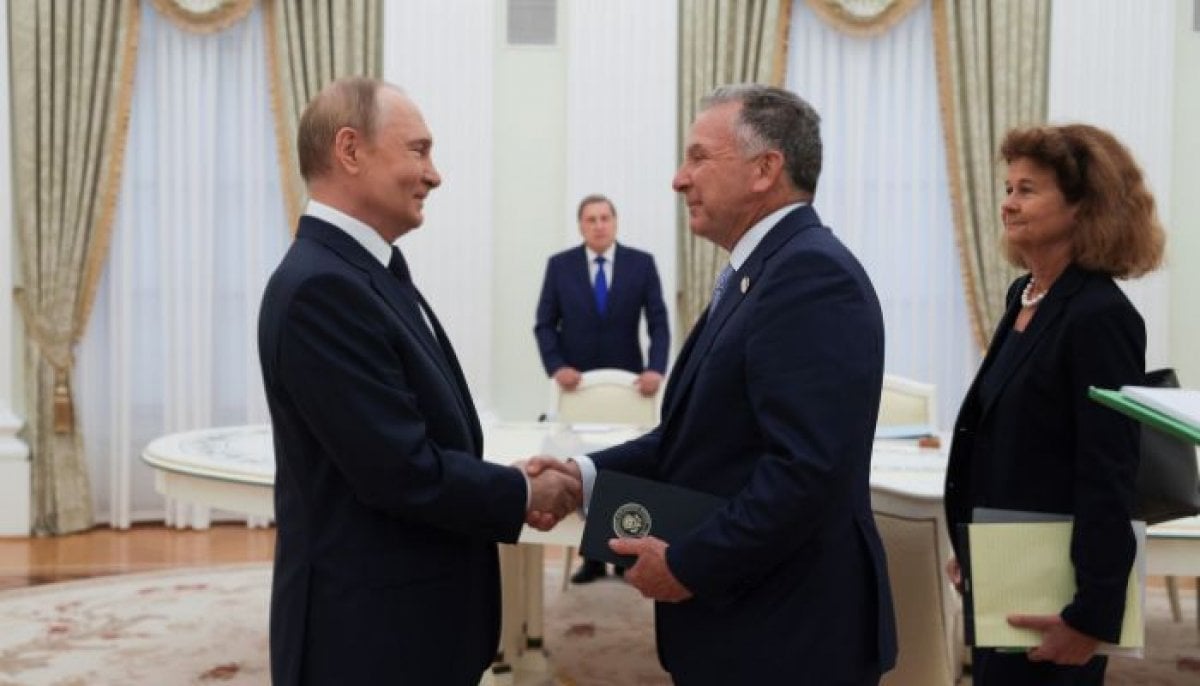 Putin-Witkoff meeting: 5 key takeaways on Ukraine peace talks