Why has Labubu lost its hype? Story of rise & fall: Things you need to know
Labubu was never just a toy. It was a portal - Gen Z, for misfits
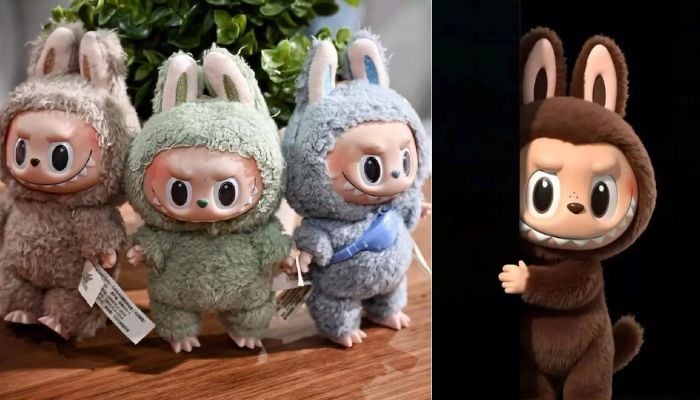
Labubu transformed from a simple design into a luxury status symbol.
Celebrities like Rihanna and Lisa of BLACKPINK showcased their Labubu dolls, and fans eagerly followed drops and releases.
Pop Mart cleverly build hype through limited release and exclusive events, making Labubu the most sought-after figurines.
Fake Labubus: The party crasher
Fast-forward to summer 2024, the fantasy cracked wide open. Police in Shanghai raided a fake Labubu ring - over 5,000 bootlegs sold for millions under the radar.
Customs officials called them “Lafusus,” and the knockoffs went viral for all the wrong reasons.
This was more than fraud. It was emotional whiplash. Even QR tags and authenticity guides could not patch the sinking vibes.
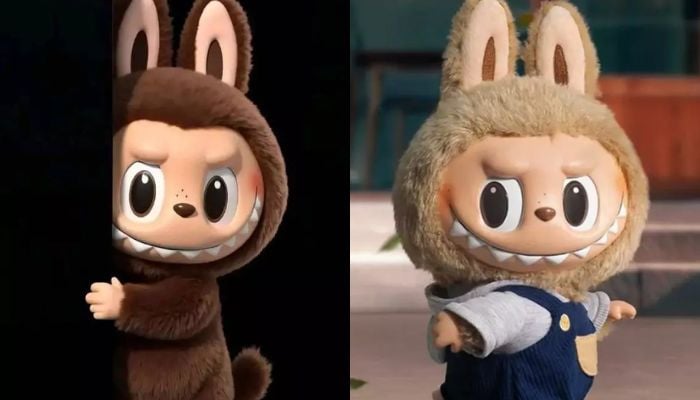
From frenzy to fatigue
What once felt like a wave now feels like an alert sign. Reddit threads read like post-hype group therapy. TikTokers talk about being “played by plastic.” As the excitement fades, fans are asking: Was it about the dolls or just the drama?
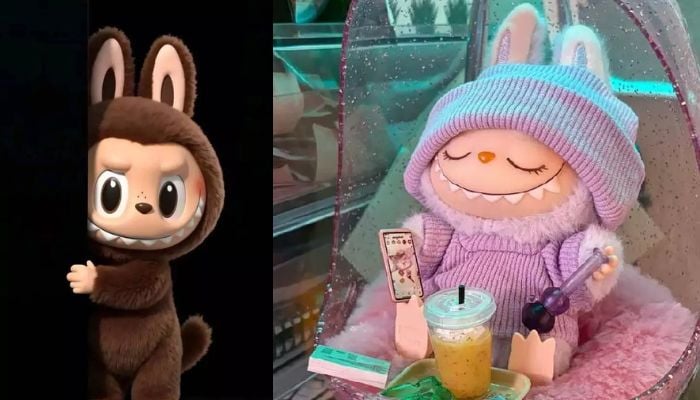
Labubu’s fall: Let's decode it!
Labubu was never just a toy. It was a portal - for Gen Z, for misfits, for anyone craving control in a chaotic world. It enticed prestige for less, emotional commerce is fragile, and blind boxes do not build loyalty.
Wang Ning becomes China’s youngest top billionaire as Labubu dolls go from blind box to global figurines in celebrity circles.
May be Labubu is not over. Maybe it evolves. But one thing is certain: in 2025, the collectibles that win will not just chase-they will build fanbase that lasts longer than a drop of window.


-
 Britney Spears 'swears to clear the slate' as fears grow after DUI arrest
 -
 Ozzy Osbourne's daughter Kelly drops ice-cold message for ex-fiancé Slipknot DJ Sid Wilson
 -
 Netflix surprises Gordon Ramsay with special gift for his 60th birthday: 'It's absolutely huge'
 -
 Alison Hammond gushes over younger boyfriend in candid confession
 -
 'The Young and the Restless' star Dee Freeman passes away at 66
 -
 Kanye West and Lauryn Hill send SoFi Stadium into total meltdown: 'GOAT is back'
 -
 Blake Lively, Justin Baldoni's legal case receives latest update
 -
 Olivia Munn raves about her 'Your Friends & Neighbors' costar James Marsden