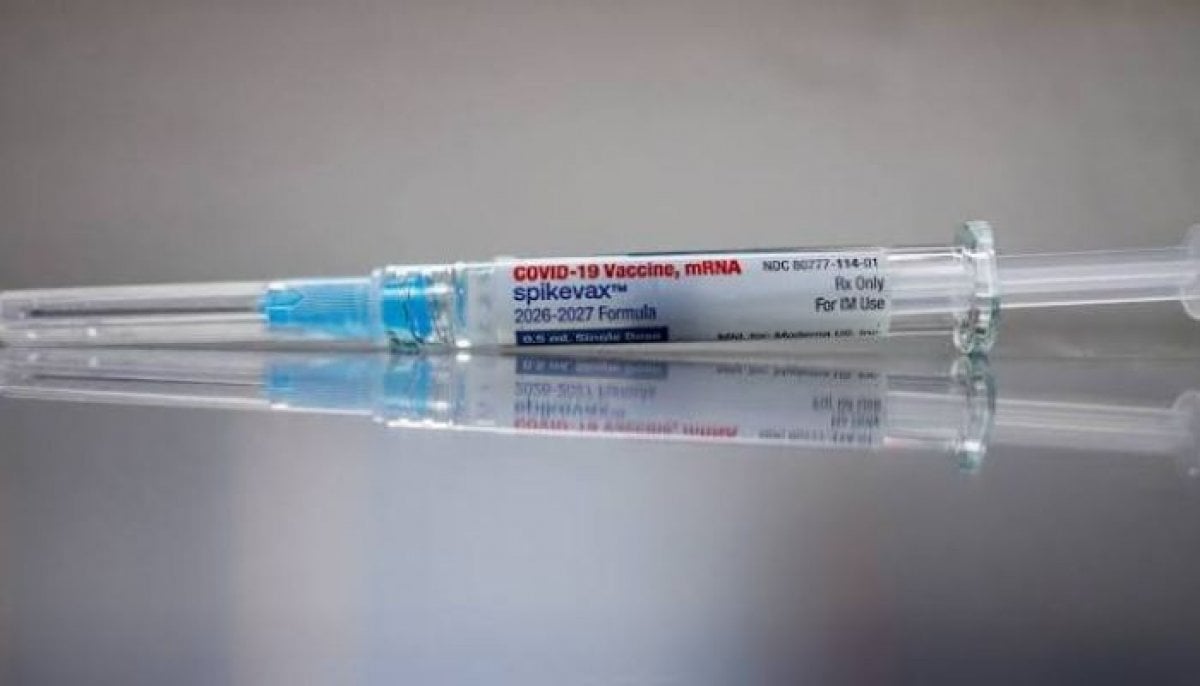
New study unveils historic impact of emergency vaccination efforts
Study examined 210 outbreaks of five infectious diseases in 49 lower-income countries between 2000 and 2023
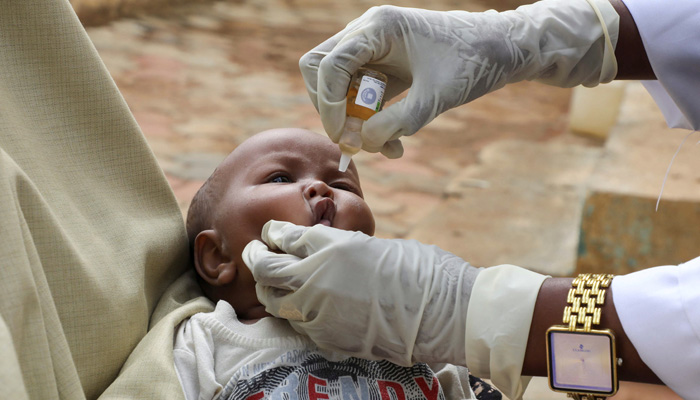
Emergency vaccination efforts during infectious disease outbreaks have significantly reduced fatalities by nearly 60% over the past 25 years, according to a new study.
The research, backed by the Gavi vaccine alliance and conducted in collaboration with Australia's Burnet Institute, offers the first historical analysis of the impact of emergency immunisation on global health security.
The study also estimated that the efforts have prevented a similar number of infections and generated billions of euros in economic benefits.
"For the first time, we are able to comprehensively quantify the benefit, in human and economic terms, of deploying vaccines against outbreaks of some of the deadliest infectious diseases," Gavi chief Sania Nishtar said in a statement.
"This study demonstrates clearly the power of vaccines as a cost-effective countermeasure to the increasing risk the world faces from outbreaks."
The findings, published this week in BMJ Global Health, analysed 210 outbreaks between 2000 and 2023 across 49 lower-income countries. The study focused on five diseases: cholera, Ebola, measles, meningitis, and yellow fever.
Vaccine roll-outs in these settings had a dramatic impact, with the study showing they reduced both the number of infections and deaths by almost 60% across the five diseases.
For some of the diseases, the effect was far more dramatic.
Vaccination was shown to decrease deaths during yellow fever outbreaks by a full 99%, and 76% for Ebola.
At the same time, emergency vaccination significantly reduced the threat of outbreaks expanding.
It also estimated that the immunisation efforts carried out during the 210 outbreaks generated nearly $32 billion in economic benefits just from averting deaths and years of life lost to disability.
That amount was, however, likely to be a significant underestimate of overall savings, it said, pointing out that it did not take into account outbreak response costs or the social and macroeconomic impacts of disruptions created by large outbreaks.
The massive Ebola outbreak that hit West Africa in 2014, before the existence of approved vaccines, for instance, saw cases pop up worldwide and is estimated to have cost the West African countries alone more than $53 billion.
The study comes after the World Health Organisation warned in April that outbreaks of vaccine-preventable diseases such as measles, meningitis, and yellow fever are on the rise globally amid misinformation and cuts to international aid.
Gavi, which helps vaccinate more than half the world's children against infectious diseases, is itself currently trying to secure a fresh round of funding in the face of the global aid cuts and after Washington last month announced it would stop backing the group.


-
 CDC monitors travelers from Siberia after plague worker’s death, director says
 -
 Russia pushes back on plague death reports, defends WHO notification
 -
 WHO deems Russia plague risk 'low' following lab technician’s fatal illness
 -
 New York declares Measles state of emergency amid nationwide disease resurgence
 -
 First-of-its-kind treatment shrinks unborn baby’s tumour before birth
 -
 France steps up Ebola support in Congo as fears of resurgence grow
 -
 Vance’s fraud crackdown may raise health insurance costs for Americans
 -
 One common mistake elevates blood pressure readings by 7 points, study warns
-
 Moderna loses US government license defense in patent case
 -
Novo says new Ozempic shows lower cardiovascular risk compared with Lilly’s Mounjaro
-
University of Nottingham researchers say new gel could regrow tooth enamel in weeks
-
New Chinese drug extends stroke treatment window from hours to 2 days: study finds