Novavax Covid vaccine approved by FDA with new conditions
FDA places additional conditions on individuals who would be able to receive vaccine
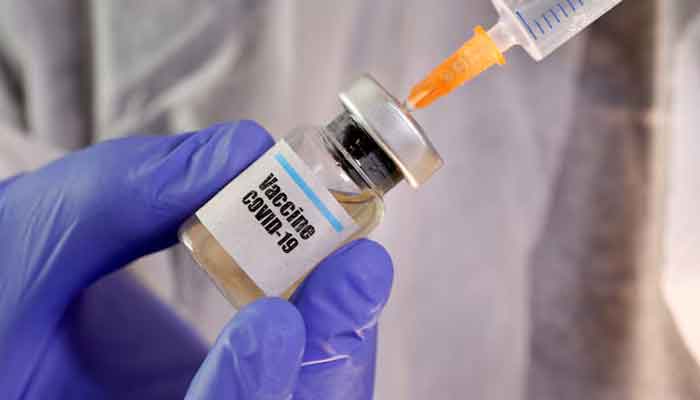
The US Food and Drug Administration approved Novavax's Covid-19 vaccine on Friday, but placed additional conditions on individuals who would be able to receive the vaccine.
The license restricts the use of the vaccine called Nuvaxovid to individuals aged 65 and older, and those between 12 and 64 who have at least one underlying condition that increases their risk of developing severe illness from Covid, according to the approval letter.
The letter did not specify what qualified as an underlying condition.
The FDA also deferred submission of pediatric studies from birth to less than 12 years for the application, as pediatric studies had not been completed.
Novavax CEO John Jacobs said the approval was a "significant milestone" that solidifies a path for people to access the vaccine.
The vaccine's prospects were thrown into doubt after the FDA missed its April 1 target to approve the shot. US Health and Human Services Secretary Robert F Kennedy Jr attributed the delay to the shot's composition in a CBS interview earlier that month.
Novavax, whose protein-based shot uses an older technology, missed out on the pandemic vaccine windfall – enjoyed by rivals Moderna and Pfizer which make messenger RNA-based vaccines – due to manufacturing issues and regulatory hurdles.


-
 Everything to know about US FDA’s new guidance on apps used with prescription drugs
-
 ‘Immortal’ jellyfish could hold clues to slowing human ageing
-
 Ebola crisis worsens in DR Congo as virus reaches eighth province with over 4,500 dead
-
 Study finds eating blueberries every day can surprisingly boost your mood
-
 Eli Lilly’s Foundayo weight-loss pill gets European approval recommendation
-
 What is BPC-157? Trump administration considers easing rules on popular peptide injections
-
 West Nile virus: Europe reports 141 deaths as human cases rise in 2026
-
 Health Canada reviewing new mRNA flu vaccine that could prevent more hospitalisations