Punjab makes thalassemia, other genetic disorders screening mandatory for student admissions
As per Act, govt would provide free testing facilities for students from underprivileged families
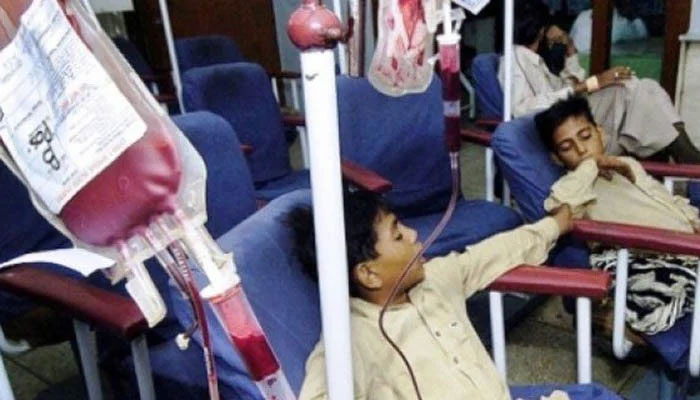
LAHORE: The Punjab government has made genetic testing, including for thalassemia and other diseases, mandatory for students seeking admission to schools, colleges, and religious seminaries across the province.
The measure is part of the Thalassemia Prevention Act 2025, passed by the Punjab Assembly, which applies to all public and private educational institutions.
Beta Thalassaemia is the most common genetic disorder in the country, with a gene prevalence rate of approximately 6%. This translates as six out of every 100 Pakistanis carry this mutant gene.
With a population of over 220 million, around 13.2 million people are healthy carriers of the defective beta thalassaemia gene. The cultural tradition of consanguineous marriages in Pakistan has resulted in an increase in the number of thalassaemia-affected children, making it a significant public health problem.
Under the new law, students will be required to submit medical test reports along with their admission forms. The legislation aims to curb the spread of hereditary diseases through early detection and awareness.
The act also ensures strict confidentiality, with penalties for sharing a student's medical information without authorisation.
Additionally, the government would also provide free testing facilities for students from underprivileged families, while those diagnosed with any condition would be offered counselling services.
The bill would be presented to the Punjab governor for final approval before coming into full effect.
Earlier on April 13, provincial Health Minister Khawaja Salman Rafique said Iran and other Muslim countries have taken long-term measures in this regard. "We will have to run a strong campaign to prevent thalassemia in society."
He added that the Punjab government is taking all possible steps to improve the quality of medical education. A developed society is built on the pillars of education and health. Providing the best health facilities to the people is the basic responsibility of the state.


-
 Scientists discover hidden drainage route at the back of the eye
 -
 WHO confirms death at Russian research lab, says no plague case registered
 -
 Getting a $90 check from Social Security? Here’s why
 -
 Measles cases in US top 4,000 nationwide, CDC reports
 -
 Sexually transmitted diarrhea spread in US, UK: Why antibiotics are failing against Shigella
 -
 Who is Song Li? China puts her forward for WHO leadership role
 -
 CDC monitors travelers from Siberia after plague worker’s death, director says
 -
 Russia pushes back on plague death reports, defends WHO notification