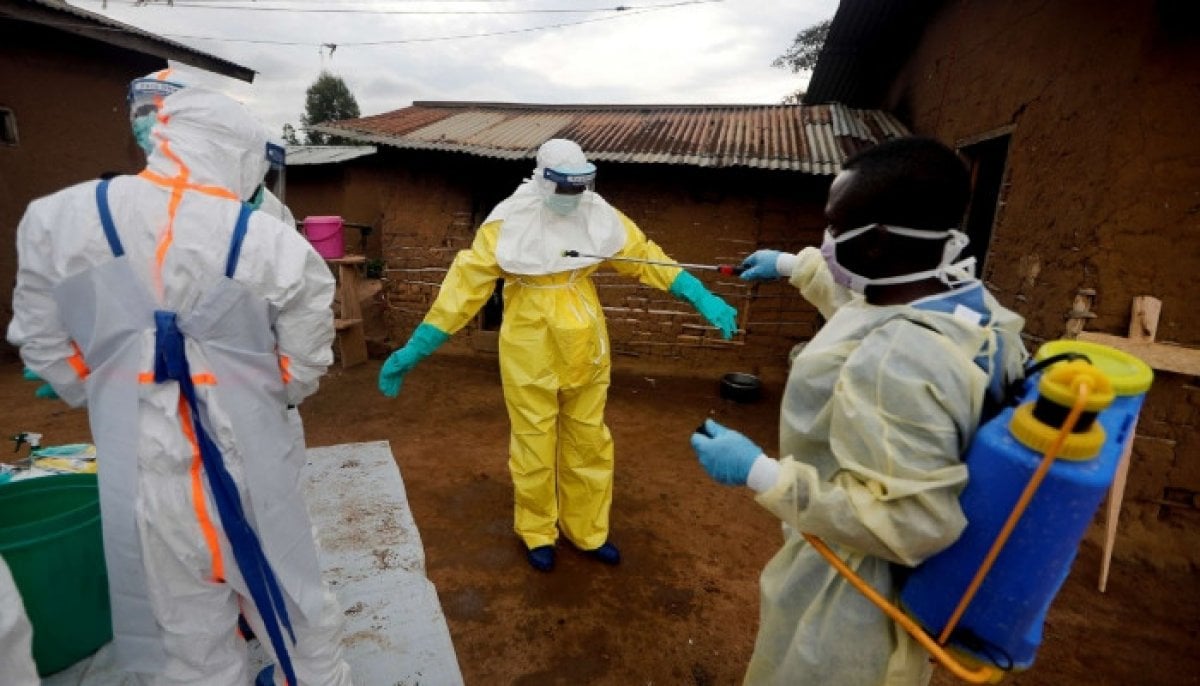
Cholera epidemic in Angola claims hundreds of lives, spreads to 16 provinces
WHO says outbreak affecting individuals of all age groups, with highest burden among those aged under 20
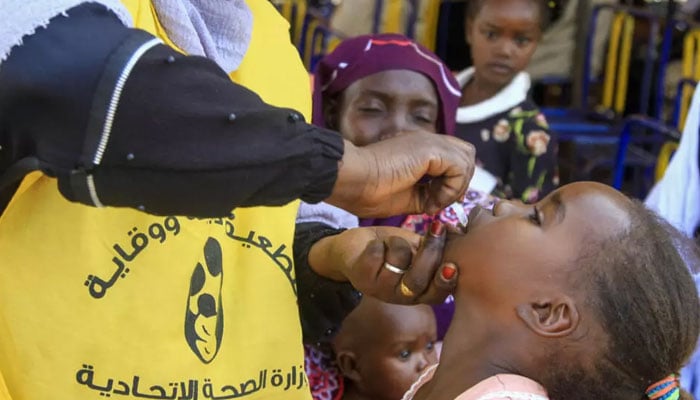
GENEVA: A cholera outbreak in Angola has killed more than 300 people and spread to 16 of the country’s 21 provinces, with the World Health Organization warning of a high risk of further infections.
The outbreak has now claimed 329 lives, the WHO said on Saturday, warning that the risk of further transmission in the country and surrounding areas was "very high."
The resource-rich African nation has been experiencing a substantial cholera outbreak since January, with a total of 8,543 cases recorded as of 23 March. Angola struggles with high poverty rates and poor sanitation despite its oil wealth.
The WHO said the outbreak had rapidly spread to 16 out of Angola’s 21 provinces, affecting individuals of all age groups, with the highest burden among those aged under 20.
"The Ministry of Health, with support from WHO and partners, is managing the cholera outbreak response through case detection, deployment of rapid response teams, community engagement, and a vaccination campaign," the UN health agency said.
"Given the rapidly evolving outbreak, ongoing rainy season, and cross-border movement with neighbouring countries, WHO assesses the risk of further transmission in Angola and surrounding areas as very high."
Namibia, Angola’s southern neighbour, recorded its first case of cholera in nearly a decade, the African Union’s health agency said earlier this month. The 55-year-old woman recovered and was discharged from hospital.
Cholera is an acute intestinal infection that spreads through food and water contaminated with the bacterium Vibrio cholerae, often from faeces.
It causes severe diarrhoea, vomiting, and muscle cramps.
Cholera can kill within hours when not treated, though it can be managed with simple oral rehydration, and antibiotics for more severe cases.
There has been a global increase in cholera cases, and their geographical spread, since 2021.
Between 1 January and 23 March this year, a total of 93,172 cases and 1,197 deaths were reported across 24 countries, with 60 percent of the cases in Africa, the WHO said.


-
 University of Nottingham researchers say new gel could regrow tooth enamel in weeks
 -
 New Chinese drug extends stroke treatment window from hours to 2 days: study finds
 -
 Trump’s FDA nominee Heidi Overton defends vaccines, contradicting his claims
 -
 New once-weekly insulin injection for type 2 diabetes wins FDA approval
 -
 Study identifies key cause of fatigue and brain fog
 -
 Apple’s screenless fitness tracker plans revealed: What to know
 -
 Rabies concerns grow in US, sparking health warnings over fatal virus
 -
 This popular cooking garnish may offer surprising benefits for brain health