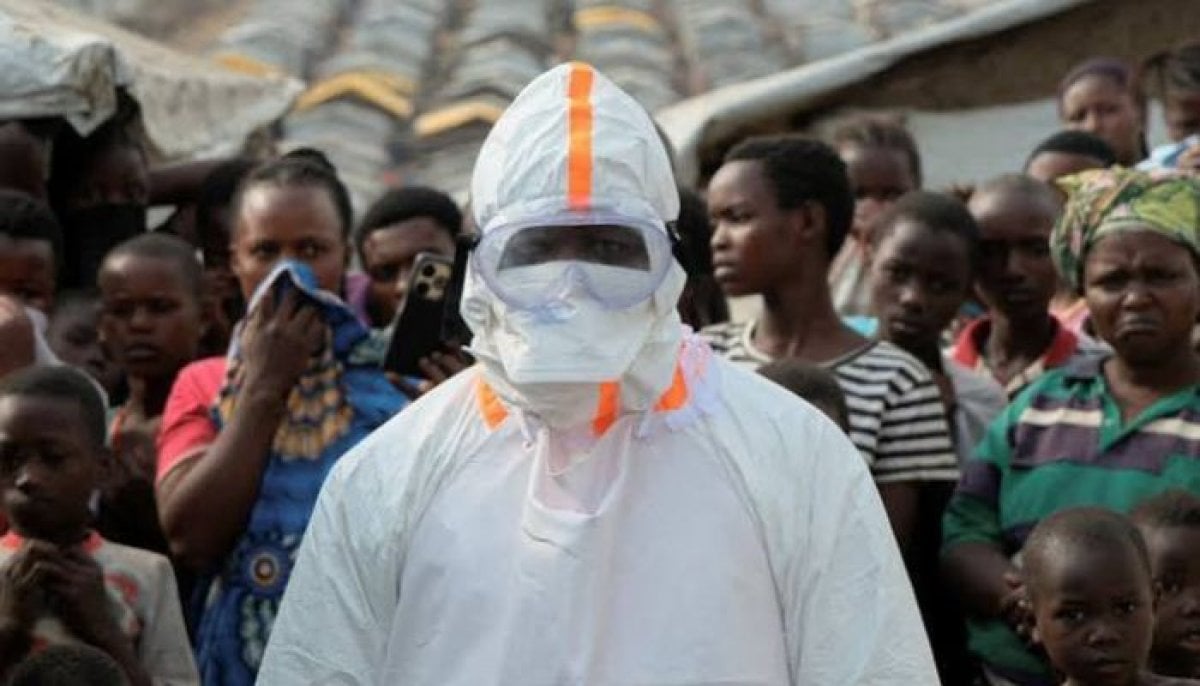
Pakistan's fertility rate drops significantly
Managing births effectively ultimately enhances health and well-being of children and adolescents, report notes
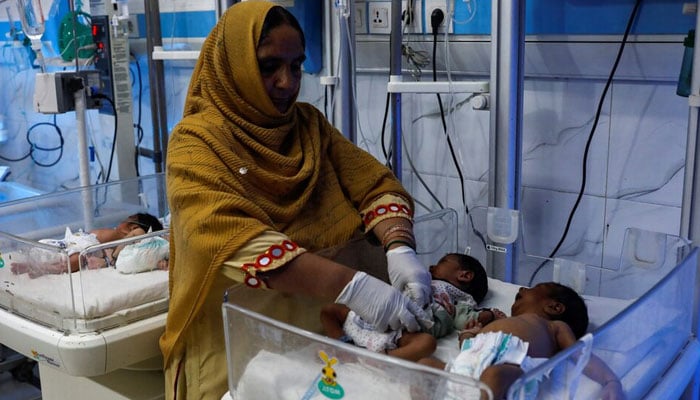
A recent World Fertility Report by the United Nations highlights a significant decline in Pakistan's fertility rate, falling from six live births per woman in 1994 to 3.6 in 2024.
The report noted that around 1.8 billion people — 22% of the global population — reside in 63 countries experiencing demographic transitions, with low fertility rates expected by 2054.
Despite this decline, Pakistan faces urgent challenges, particularly concerning adolescent birth rates, which require targeted interventions for improved socioeconomic outcomes.
These inventions include stern laws and enforcement mechanisms to protect the rights of girls and women.
Such measures include introduction of laws to ban child marriage as well regulations that guarantee full and equal access to sexual and reproductive health care, information, and education.
Managing births effectively allows families and governments to better allocate resources, ultimately enhancing the health and well-being of children and adolescents.
Additionally, banning early childbearing for girls and young women might also give them an opportunity to pursue education, employment or other life aspirations.
Meanwhile, in countries that are already grappling with economic, social, and environmental challenges, addressing these issues can create healthier, more productive populations, the report noted.
The report also highlighted that these measures not only improve quality of life but also secure a better future for upcoming generations.
Furthermore, the report also noted a significant decline in global fertility rates, dropping from an average of 4.8 births per woman in 1970 to 2.2 in 2024.
Women today bear one child fewer, on average, than they did around 1990, when the global fertility rate was 3.3.


-
 WHO confirms death at Russian research lab, says no plague case registered
 -
 Getting a $90 check from Social Security? Here’s why
 -
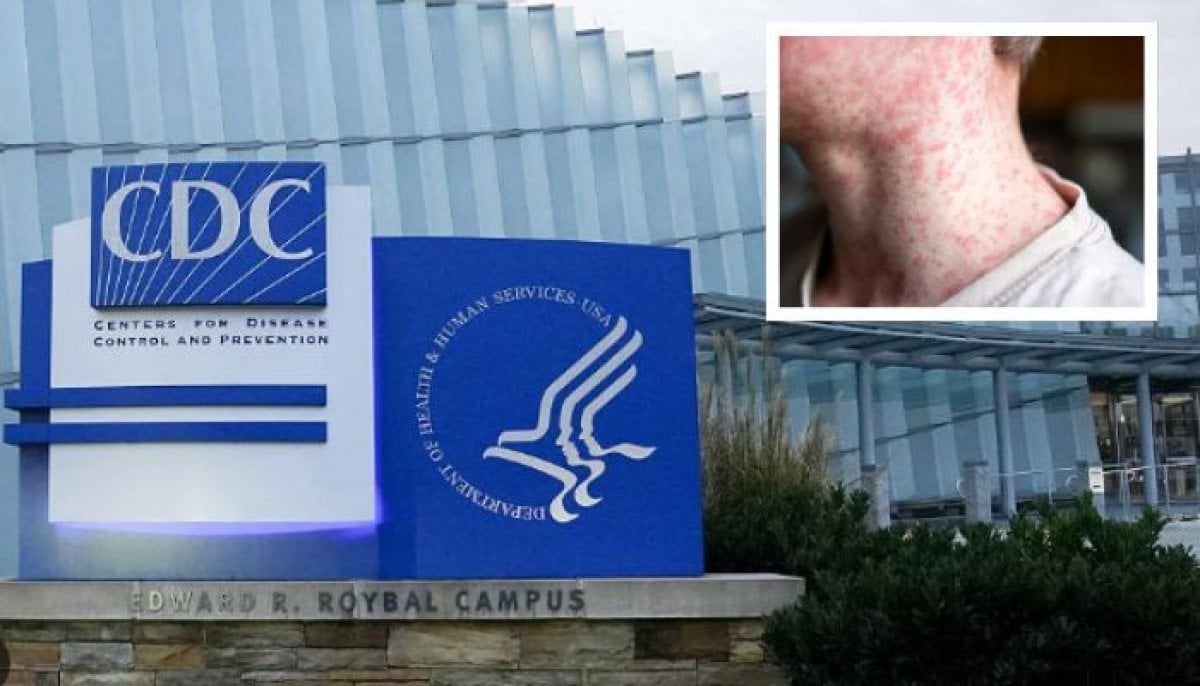 Measles cases in US top 4,000 nationwide, CDC reports
 -
 Sexually transmitted diarrhea spread in US, UK: Why antibiotics are failing against Shigella
 -
 Who is Song Li? China puts her forward for WHO leadership role
 -
 CDC monitors travelers from Siberia after plague worker’s death, director says
 -
 Russia pushes back on plague death reports, defends WHO notification
 -
 WHO deems Russia plague risk 'low' following lab technician’s fatal illness