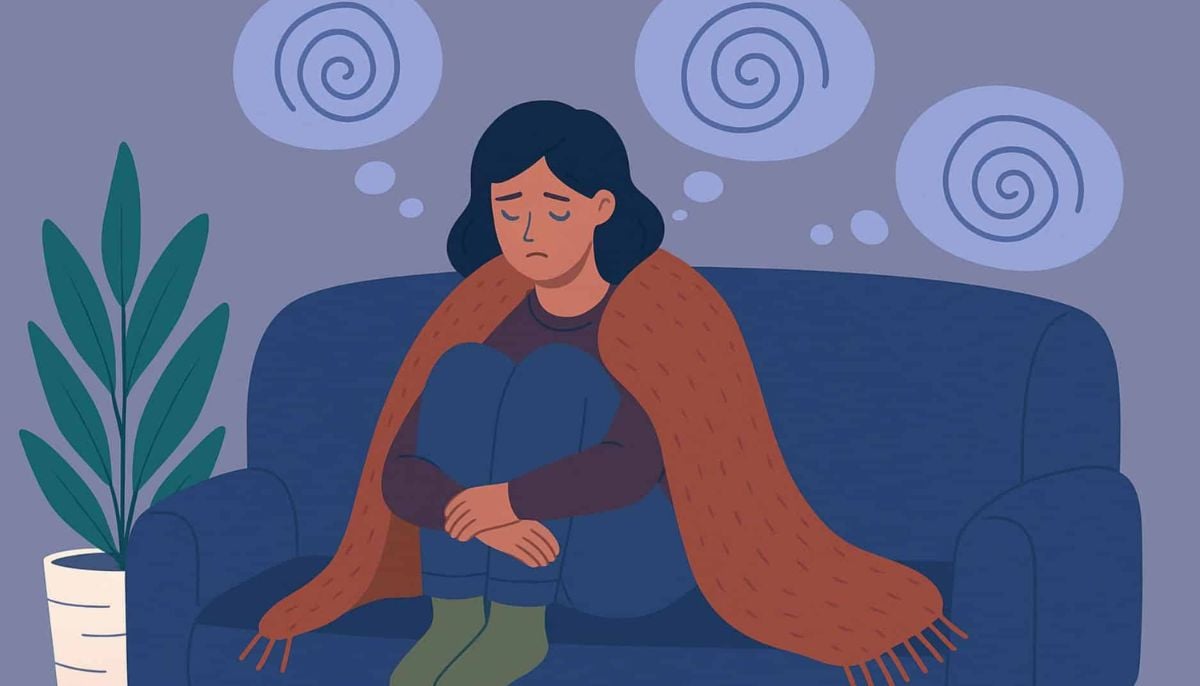
Why do we sleep more during winters?
Cold season has prominent impact on one’s sleep patterns triggering increased nap time

Winter weather brings cozy blankets and warm beverages along with a desire to keep hibernating, sleeping and never leaving one’s bed.
Consequently, the cold season has a prominent impact on one’s sleep patterns. Some people might experience restlessness, insomnia or even disrupted sleep cycles while some enjoy better sleep in cooler weather, reported Continental Hospitals.
The human body has an internal thermostat, which is called thermoregulation. It assists in regulating body temperature for optimal functioning.
A person’s core temperature naturally drops by 1° to 2° Celsius when they sleep, signalling to their body that it’s time to rest. Environments that are cool can support this process, directly making it easier to fall asleep.
However, it is also important to note that extremely cold weather can overstimulate the body’s effort to maintain warmth. This leads to poor sleep quality. One might shiver or wake up frequently if their bedroom is too cold. This disrupts the deep sleep their body needs.
As winter nights are longer, they lead to increased darkness. The body can be triggered by this to produce more melatonin, which is the hormone responsible for regulating sleep.
It can also disrupt one’s internal clock, leading to feelings of fatigue during the day while making one feel sleepy earlier at the same time.


-
 High salt intake raises heart failure risk, study finds
 -
 How a new blood test detects active, infectious Tuberculosis: Here’s everything to know
 -
 Young people quit UK jobs due to health issues, study finds
 -
 Meningococcal disease, dangerous bacterial infection, hits decade high in Canada
 -
 Gene mutation may affect how schizophrenia patients see reality
 -
 Is all chocolate healthy? Here’s what the science really says
 -
 What to know before using weight-loss drugs like Ozempic
 -
 Singapore confirms first local spread of mutated monkeypox clade Ib strain